







































Stronger Walls, Lower Energy Bills: The Role of External Insulation Fixings in the UK

Improving energy efficiency in buildings is not only about using high-quality insulation materials. A key factor is how securely that insulation is attached to the structure. In the UK, where weather conditions are often cold, wet, and windy, external insulation fixings play an essential role in keeping buildings safe, stable, and energy efficient.
Why External Insulation Fixings Are Important
External insulation systems are constantly exposed to changing weather conditions such as rain, wind pressure, and temperature shifts. Without strong mechanical fixing, insulation boards can gradually loosen, shift, or even detach from the wall.
External insulation fixings help keep insulation boards firmly attached to external walls, maintaining a continuous protective layer. This reduces heat loss, improves thermal performance, and supports long-term energy savings for buildings.
How External Fixings Work
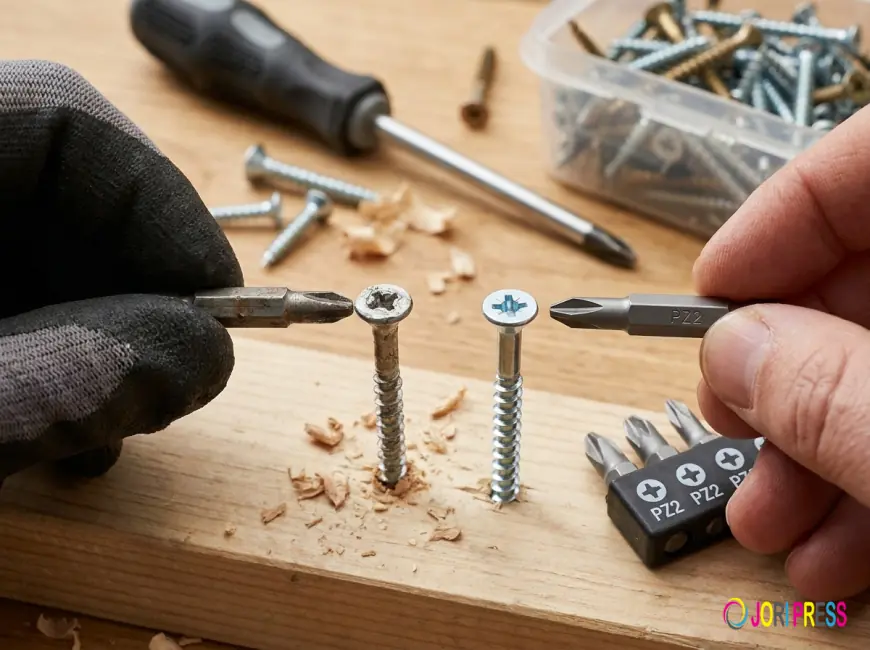
These fixings are designed to securely anchor insulation boards into the building’s outer wall structure. Installation usually involves drilling through the insulation into the wall, inserting the fixing, and allowing it to expand or lock tightly in place.
A retaining head then holds the insulation board firmly against the surface. This creates a stable system that resists wind pressure, movement, and thermal expansion, ensuring long-term durability. See more on JALFT.com
Choosing the Right Fixings
Selecting the correct external insulation fixings is important for performance and safety. Several factors must be considered:
-
Wall type: Brick, concrete, blockwork, or timber all require different fixing types and lengths
-
Insulation thickness: Thicker boards need longer fixings for secure anchoring
-
Weather exposure: Coastal or high-wind areas require stronger, corrosion-resistant fixings
-
Insulation material: EPS, PIR, and mineral wool each need suitable pressure distribution
Benefits Beyond Secure Installation
External insulation fixings do more than hold insulation in place. They also provide wider long-term advantages:
-
Improved energy efficiency and reduced heating costs
-
Stronger and more durable insulation performance
-
Better resistance against harsh weather conditions
-
Compliance with UK building performance standards
-
Reduced maintenance and repair needs over time
Importance of Proper Installation
Even high-quality fixings will not perform well if they are installed incorrectly. Correct drilling depth, proper spacing, and following manufacturer guidelines are essential for best results.
Installers must also ensure insulation boards are tightly fitted together to prevent gaps and reduce the risk of thermal bridging, which can affect energy efficiency.
Final Thoughts
External insulation fixings may seem like small components, but they are critical for the success of any External Wall Insulation system. In UK buildings, they provide the strength, stability, and long-term reliability needed to ensure insulation performs effectively even in challenging weather conditions.
What's Your Reaction?
 Like
0
Like
0
 Dislike
0
Dislike
0
 Love
0
Love
0
 Funny
0
Funny
0
 Angry
0
Angry
0
 Sad
0
Sad
0
 Wow
0
Wow
0