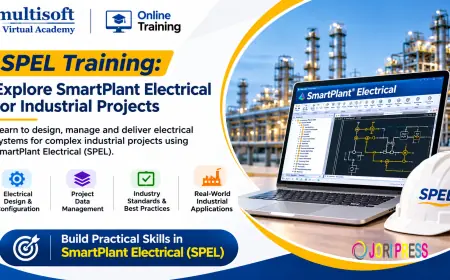











































SPEL Training | Learn SmartPlant Electrical Design Software
Learning its capabilities can help professionals understand plant item management, reference data, electrical loads, wiring equipment, cable documentation, and engineering reports.


Electrical engineering projects require accurate planning, detailed equipment information, and well-organized technical documentation. From power distribution networks to electrical connections and equipment schedules, every element must be managed carefully to support successful project execution. In large industrial facilities, handling these activities manually can become complicated. Specialized engineering applications such as SmartPlant Electrical help professionals manage electrical design information within a structured digital environment.
SPEL Training introduces learners to SmartPlant Electrical and its role in industrial electrical engineering. It helps participants understand how electrical equipment information, load details, cable records, and engineering reports are maintained within the software. Through structured learning and practical exercises, professionals can develop knowledge of the workflows used in industrial plant design projects.
For electrical engineers, CAD designers, EPC professionals, and engineering graduates, learning SPEL can be a valuable addition to their technical skill set. It also provides exposure to specialized software used in engineering environments where accurate data management and coordinated project documentation are important.
Introduction to SmartPlant Electrical Software
SmartPlant Electrical, commonly called SPEL, is an engineering application used to manage electrical design information for industrial facilities. It supports the organization of electrical equipment records, plant items, electrical loads, wiring information, power distribution data, and related engineering documentation.
Industrial projects involve numerous electrical components that must be properly identified and documented. Engineers need to maintain equipment properties, electrical connections, and technical information throughout different project stages.
SmartPlant Electrical provides a structured environment for managing these records. It helps engineering teams work with project information and maintain relationships between different electrical components.
The application can support activities related to engineering design, documentation, project coordination, and data management. Understanding its features helps professionals work more confidently with industrial electrical engineering information.
Why Should Professionals Learn SmartPlant Electrical?
The demand for organized engineering information continues to grow as industrial projects become more complex. Professionals who understand specialized design applications can contribute more effectively to engineering activities.
1. Build Specialized Electrical Software Knowledge
Electrical engineering involves several software applications used for design, documentation, and project coordination. Learning SmartPlant Electrical helps professionals understand a specialized environment for managing industrial electrical information.
It also allows learners to become familiar with software functions that may be used in EPC and plant engineering projects.
2. Improve Equipment Information Management
Industrial facilities contain different types of electrical equipment, including motors, switchgear, distribution panels, and other electrical components. Maintaining accurate equipment information is important for design coordination.
Training explains how plant items and equipment properties are organized within the application. This knowledge can help users manage project records more systematically.
3. Understand Electrical Loads and Distribution Data
Electrical load information plays an important role in industrial electrical design. Engineers must maintain relevant load records and understand their relationship with electrical equipment.
SPEL training introduces users to load creation, load associations, and related information management functions.
4. Develop Cable Documentation Skills
Cable information is essential for documenting electrical connections between equipment and systems. Training helps participants understand cable-related records, connection workflows, and associated engineering information.
These skills can support better organization of electrical documentation and project data.
5. Strengthen Engineering Reporting Capabilities
Industrial projects require accurate reports and technical schedules. Understanding the reporting features of SmartPlant Electrical helps professionals work with engineering data and prepare relevant project documentation.
What Will You Learn in SPEL Training?
A well-designed SmartPlant Electrical Training Course should include software fundamentals and practical activities related to electrical engineering workflows.
Software Interface and Project Navigation
The course begins with an introduction to the application interface and its working environment.
Learners understand:
- Software navigation and interface elements
- Project structures and working environments
- Basic application terminology
- Common software commands
- Electrical engineering data organization
This module creates a foundation for understanding more advanced software functions.
Reference Data and Engineering Standards
Reference data is used to maintain reusable information across engineering projects. Proper reference data management supports consistency in equipment records and project information.
Important learning areas may include:
- Creating and managing reference data
- Lookup table configuration
- Profile management
- Equipment property definitions
- Common property maintenance
- Reusable engineering information
Understanding reference data is important for maintaining standardized information across a project.
Plant Item Development and Management
Plant items represent electrical equipment and components in an industrial facility. Users need to understand how these items are created, updated, and maintained.
Training may include creating plant items, modifying existing records, managing equipment properties, and understanding their relationships with other engineering information.
Electrical Load Management
Electrical load information is required for organizing equipment requirements and supporting electrical engineering activities.
A practical training program may cover:
- Electrical load creation
- Load property maintenance
- Load association management
- Busload summaries
- Batch load associations
- Load information review
These topics help participants understand how electrical loads are represented and maintained within the software.
Wiring Equipment and Electrical Connections
Wiring equipment information helps document electrical connections within an industrial project.
Learners explore how wiring equipment is maintained and associated with relevant electrical components. They also gain an understanding of how connection information supports engineering documentation.
Power Distribution Equipment
Power distribution systems supply electrical energy to different equipment and operational areas within an industrial facility.
Training introduces the management of distribution-related equipment information and its relationship with other electrical records.
This knowledge is relevant to professionals working with plant electrical systems and engineering documentation.
Cable Management and Sizing
Cable management is an important part of electrical project documentation. It involves maintaining cable records and documenting connections between electrical components.
Depending on the course outline, this module may cover:
- Cable creation and maintenance
- Cable connection management
- Batch cable connections
- Batch cable sizing
- Gland association synchronization
- Cable-related equipment information
These workflows help users understand how cable data is organized within SmartPlant Electrical. Engineering calculations and final cable selection must be checked against applicable technical standards and project specifications.
Tabular Editor and Report Management
The Tabular Editor helps users work with engineering information in a structured table-based environment.
Training may introduce:
- Tabular Editor navigation
- Engineering data review
- Report registration
- Excel report customization
- Revision management
- Select list maintenance
These functions can help professionals organize engineering information and prepare project-related reports.
Electrical Diagrams and Documentation
Electrical diagrams communicate information about circuits, equipment, and connections. They are important deliverables in industrial engineering projects.
Depending on the software version and training syllabus, learners may explore typical circuits, single-line diagrams, schematic information, and cable block diagrams.
Understanding how engineering records relate to graphical documentation can improve overall software knowledge.
Understanding SPEL User Training and Admin Training
SmartPlant Electrical offers different learning areas for users with different responsibilities. Selecting the appropriate training level helps learners focus on relevant software functions.
SPEL User Training
User training focuses on regular electrical engineering activities performed within the application.
It is suitable for electrical engineers, designers, and draftsmen who need to manage project information and prepare electrical documentation.
Typical modules include:
- Reference data management
- Plant item creation
- Equipment property management
- Wiring equipment
- Electrical load management
- Power distribution equipment
- Cable connections
- Cable sizing workflows
- Tabular Editor
- Engineering reports
SPEL Admin Training
Administration training focuses on application management, configuration, and customization.
It may include advanced topics such as:
- SmartPlant Engineering Manager
- Data Dictionary Manager
- Format Manager
- Filter Manager
- Catalogue Manager
- Rule Manager
- Option Manager
- Import Manager
- Diagram customization
- Report customization
- Application maintenance
- Troubleshooting and configuration
User training is more appropriate for professionals working on everyday electrical engineering tasks. Admin training is intended for those responsible for managing the software environment.
Industrial Applications of SmartPlant Electrical
SmartPlant Electrical knowledge can be relevant to different industries where detailed electrical engineering information is required.
Oil and gas: Refineries, offshore platforms, and processing plants require accurate electrical equipment records and coordinated engineering documentation.
Petrochemical plants: These facilities contain complex electrical installations that require organized equipment data and supporting technical information.
Power generation: Electrical systems in power plants involve distribution equipment, loads, connections, and engineering documentation.
EPC companies: Engineering, procurement, and construction organizations coordinate multiple disciplines. Structured electrical data helps support project documentation and engineering reviews.
Manufacturing: Industrial manufacturing facilities require electrical design information for equipment installation, plant upgrades, and system modifications.
Infrastructure projects: Certain large infrastructure developments require detailed electrical documentation and coordination between engineering teams.
The application used by an organization depends on its project requirements, software environment, and engineering standards.
Who Can Enroll in a SPEL Training Course?
SPEL training is suitable for individuals who want to develop specialized knowledge of industrial electrical engineering applications.
- Electrical Engineers: Professionals seeking to improve their understanding of electrical design software.
- Electrical Designers: Individuals involved in equipment information and electrical documentation.
- CAD Designers: Professionals interested in expanding their industrial software capabilities.
- Electrical Draftsmen: Drafting specialists who want to understand structured engineering workflows.
- Plant Engineers: Professionals involved in industrial equipment and electrical project information.
- EPC Professionals: Team members working on electrical engineering deliverables.
- Engineering Graduates: Fresh graduates interested in specialized plant engineering applications.
- Working Professionals: Experienced individuals looking to upgrade their technical knowledge.
Basic electrical engineering knowledge and familiarity with engineering drawings can make the learning process easier.
Career Opportunities After SPEL Training
Learning SmartPlant Electrical can complement existing electrical engineering qualifications and software experience. It may help professionals prepare for roles involving industrial electrical design, documentation, and engineering data management.
Potential career options include:
- Electrical Design Engineer
- SmartPlant Electrical Designer
- Electrical CAD Engineer
- Plant Electrical Engineer
- Electrical Project Engineer
- Electrical Documentation Specialist
- EPC Electrical Design Professional
- Engineering Data Coordinator
- SmartPlant Application Administrator
Career growth depends on educational qualifications, practical software knowledge, project exposure, and employer expectations. Training provides a foundation, while real project experience helps professionals develop greater technical confidence.
How to Select the Best SPEL Training Program
Choosing an appropriate training program is important for gaining useful software knowledge. Consider the following points before making a decision.
Review the Complete Course Outline
Check whether the syllabus includes the modules relevant to your professional objectives. A comprehensive program should cover the software interface, reference data, plant items, electrical loads, cable management, and reporting.
Focus on Hands-On Learning
Practical exercises help learners understand how software functions are used in actual engineering workflows. Look for guided assignments and examples based on industrial project requirements.
Check the Trainer's Technical Knowledge
An experienced trainer should be able to explain the application and connect software functions with electrical engineering concepts.
Confirm Software Access
Understand which software version will be used and whether participants receive access to a practice environment.
Select a Convenient Training Format
Live online training, one-to-one sessions, and self-paced learning provide different advantages. Select a format that matches your availability and learning requirements.
Understand Certification and Assessment
Confirm whether the program includes assessments, practical assignments, and a course-completion certificate. Check whether any separate certification examination is included or recommended.
Frequently Asked Questions About SPEL Training
What is SmartPlant Electrical used for?
SmartPlant Electrical is used to manage electrical engineering information for industrial facilities. It supports equipment data, electrical loads, wiring information, and related engineering documentation.
What is covered in SPEL Training?
Training may cover software navigation, reference data, plant items, electrical loads, wiring equipment, power distribution, cable management, Tabular Editor, and engineering reports.
Is SPEL Training useful for electrical designers?
Yes. It can help electrical designers understand specialized software workflows for managing equipment records, loads, cables, and engineering documentation.
Can beginners learn SmartPlant Electrical?
Yes. Beginners with basic electrical engineering knowledge can start with introductory training and gradually progress to more advanced software activities.
What is the difference between SPEL User and Admin Training?
User training focuses on engineering operations and project data management. Admin training covers software configuration, customization, application management, and maintenance.
Does SPEL Training improve career opportunities?
It can strengthen a professional's software knowledge and complement existing engineering skills. Actual career opportunities depend on experience, qualifications, and industry requirements.
Conclusion
SmartPlant Electrical provides an organized environment for managing electrical engineering information across industrial projects. Learning its capabilities can help professionals understand plant item management, reference data, electrical loads, wiring equipment, cable documentation, and engineering reports. A structured training program with practical exercises can build a useful foundation for working with specialized electrical engineering applications. Multisoft Virtual Academy offers SPEL Training for electrical engineers, CAD designers, draftsmen, and working professionals who want to improve their SmartPlant Electrical knowledge and develop skills relevant to industrial plant design and engineering projects.
What's Your Reaction?
 Like
0
 Dislike
0
 Love
0
 Funny
0
 Angry
0
 Sad
0
 Wow
0