





































Smart Waste Management Solutions for a Sustainable Future
This blog explains practical and sustainable organic waste management solutions using composting, shredding, and dewatering systems. It highlights how modern waste processing technology helps reduce environmental impact while improving efficiency for homes, businesses, and industries.
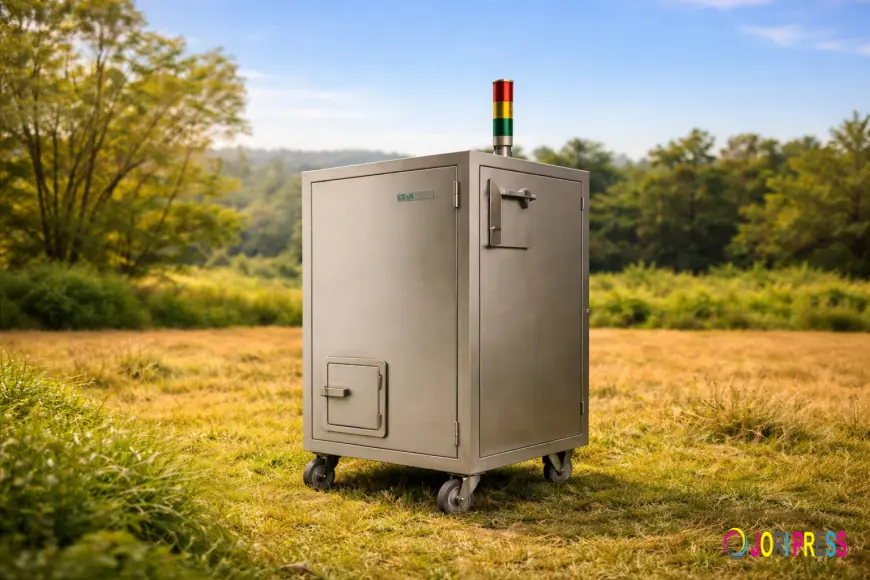
Managing waste has become one of the biggest challenges for modern cities, industries, and residential communities. With increasing population, changing consumption patterns, and limited landfill space, traditional waste disposal methods are no longer sustainable. This is where smart waste management solutions play a critical role in protecting the environment while improving operational efficiency.
Organic waste, if managed correctly, can become a valuable resource instead of a problem. Food waste, garden waste, leaves, sludge, and agricultural residues can all be treated and converted into useful by-products using the right technology. Companies like The Green Machine Company are helping organizations move toward responsible waste handling through advanced composting, shredding, and dewatering systems.
Understanding the Challenge of Organic Waste
Organic waste makes up a major portion of total waste generated daily. From households and restaurants to hotels, hospitals, industries, and farms, biodegradable waste is produced continuously. When this waste is dumped in landfills, it decomposes anaerobically, releasing methane and unpleasant odors while contaminating soil and groundwater.
Effective organic waste management focuses on reducing waste volume, controlling moisture, and converting biodegradable matter into compost or manageable by-products. This approach not only reduces environmental impact but also helps organizations comply with waste management regulations.
Role of Organic Waste Composting Systems
Composting is one of the most efficient ways to manage biodegradable waste. Modern organic waste composting machines are designed to accelerate the natural decomposition process under controlled conditions. These systems ensure faster breakdown, odor control, and hygienic handling of waste.
For commercial establishments like hotels, hostels, and housing societies, on-site composting reduces waste transportation costs and dependence on external disposal services. For residential use, compact food waste composting machines help households manage kitchen waste responsibly without attracting pests or producing foul smells.
Importance of OWC Machines in Bulk Waste Handling
Bulk waste generators require solutions that can handle large quantities of organic material daily. This is where OWC machines become essential. These systems are designed for continuous operation and can process mixed organic waste efficiently.
An OWC machine supports waste segregation, volume reduction, and faster composting cycles. Institutions, educational campuses, and corporate facilities benefit from improved cleanliness and streamlined waste workflows. By treating waste at the source, organizations can significantly reduce their environmental footprint.
Leaf Shredder Machines for Green Waste Management
Garden waste, dry leaves, and pruning residues often create disposal challenges, especially in large campuses and municipal areas. A leaf shredder machine plays a crucial role in reducing the size of this waste, making it easier to compost or reuse.
Shredded leaves decompose faster and improve compost quality when mixed with food waste. This simple preprocessing step improves overall composting efficiency and helps maintain balanced moisture and aeration levels within composting systems.
Automatic Compost Machines for Ease and Efficiency
Automation has transformed waste management by reducing manual intervention and ensuring consistent results. Automatic compost machines are designed to handle daily organic waste with minimal monitoring. These machines regulate temperature, mixing, and airflow to optimize composting conditions.
Such systems are ideal for organizations looking for reliability, hygiene, and long-term efficiency. Automation ensures that composting remains a predictable and manageable process even in high-waste environments.
Dewatering Machines and Their Practical Use
Not all organic waste is suitable for direct composting due to high moisture content. Excess water slows down decomposition and creates handling issues. Dewatering machines help solve this problem by separating liquids from solid waste.
Industries, food processing units, and treatment plants use dewatering systems to reduce waste weight and improve downstream processing. By controlling moisture levels, composting and disposal become faster, cleaner, and more cost-effective.
Sludge and Cow Dung Dewatering Solutions
Sludge from wastewater treatment plants and agricultural waste like cow dung require specialized handling. Sludge dewatering machines and cow dung dewatering machines help remove excess moisture, making the material easier to transport, compost, or reuse.
In agriculture, dewatered cow dung can be converted into high-quality organic manure. In industrial settings, sludge dewatering reduces disposal costs and improves compliance with environmental norms. These systems are essential for sustainable waste treatment across sectors.
Choosing the Right Waste Management Equipment
Selecting the correct waste management solution depends on multiple factors, including waste type, quantity, available space, and operational requirements. A well-planned setup may include a combination of shredding, composting, and dewatering equipment.
The Green Machine Company focuses on understanding real-world waste challenges and offering practical, durable solutions that integrate smoothly into daily operations. Reliable machines, proper installation, and ongoing support are key to long-term success in waste management.
Moving Toward a Circular Waste Economy
Sustainable waste management is not just about disposal; it is about recovery and reuse. Compost generated from organic waste improves soil health, supports landscaping, and reduces dependence on chemical fertilizers. Dewatered waste becomes easier to process and transport, reducing energy consumption.
Organizations that invest in modern waste processing equipment contribute to a circular economy where waste is treated as a resource rather than a burden. This shift benefits businesses, communities, and the environment alike.
Conclusion
Effective organic waste management is no longer optional—it is a responsibility. With rising waste volumes and increasing environmental awareness, adopting smart solutions has become essential. Composting machines, shredders, OWC systems, and dewatering equipment together create an efficient and sustainable waste handling ecosystem.
By implementing the right technology and practices, organizations can reduce waste-related costs, improve hygiene, and make a positive environmental impact. Companies like The Green Machine Company continue to support this transition by offering dependable and practical waste management solutions designed for real-world needs.
What's Your Reaction?
 Like
0
Like
0
 Dislike
0
Dislike
0
 Love
0
Love
0
 Funny
0
Funny
0
 Angry
0
Angry
0
 Sad
0
Sad
0
 Wow
0
Wow
0