







































From Shy to Stage-Ready: How Singing Lessons Help Kids in Singapore
Discover how singing lessons can help kids in Singapore build confidence, develop vocal skills, express themselves, and enjoy performing.

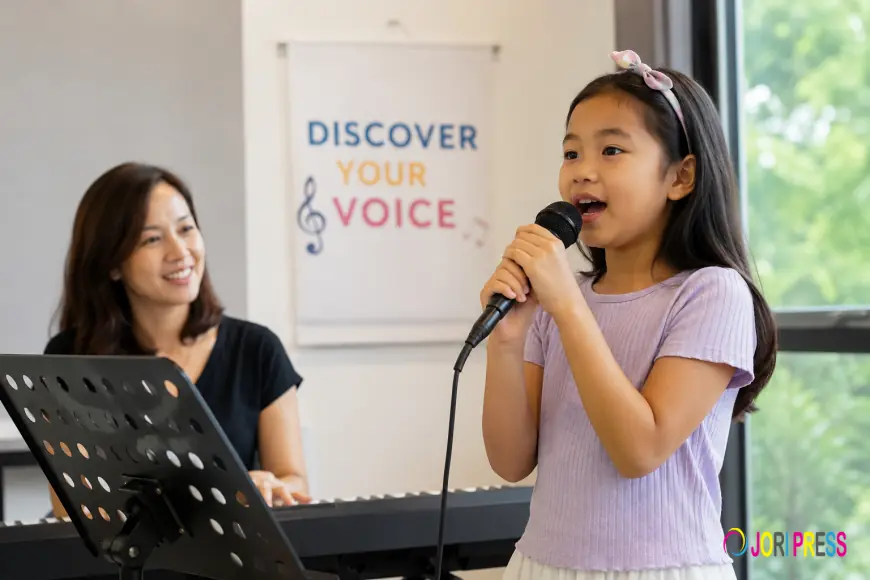
For a shy child, finding the confidence to speak, perform, or express emotions in front of others can take time. Singing can provide a comfortable and enjoyable way to develop that confidence while also encouraging creativity, communication, and self-expression. In Singapore, parents can choose from private vocal coaching, children's choirs, group classes, musical theatre programmes, and performance-focused training, giving children different ways to develop their voices and personalities.
The key is finding an environment where children feel encouraged rather than pressured. When lessons are enjoyable and age-appropriate, children can develop their musical abilities while becoming more comfortable expressing themselves. Singing lessons for kids Singapore can be a valuable option for parents looking to support both musical growth and personal confidence. Methodist School of Music (MSM) provides structured music education in a supportive environment, helping children develop their musical skills and confidence.
Why Singing Can Help a Shy Child
Shyness is not necessarily a problem that needs to be eliminated. Some children naturally take longer to become comfortable in unfamiliar situations or around new people. Singing can give them a structured way to participate without requiring them to immediately become highly outgoing.
A child who is initially hesitant to sing in front of a teacher may gradually become more comfortable as they learn familiar songs and activities. Over time, small achievements can create a sense of confidence.This process can extend beyond the classroom. A child who becomes comfortable raising their voice during a singing activity may eventually feel more willing to answer questions at school, participate in group activities, or speak in front of others.
Building Confidence Through Small Wins
Confidence rarely appears overnight. It often develops through repeated experiences where children discover that they can do something they previously found difficult.Learning a new song provides plenty of opportunities for these small wins. A child might first learn the melody, then improve their pitch, practise the lyrics, and eventually perform the song for a small audience.Children's choir programmes in Singapore also emphasize confidence, self-esteem, teamwork, and musical development alongside vocal training.When a child receives constructive encouragement throughout this process, performing can become something exciting rather than something frightening.
Learning to Use the Voice Properly
Good singing education is not simply about getting children to sing louder or hit higher notes. Age-appropriate vocal development should introduce children to healthy technique, breathing, pitch, tone, musical expression, and appropriate use of their voices.Current Singapore singing programmes commonly emphasize vocal technique alongside confidence and performance skills. A suitable teacher understands that children's voices are still developing. Lessons should therefore be adapted to the child's age and ability rather than treating a young singer like a miniature adult performer.
Making Performance Feel Less Scary
For a shy child, the idea of performing on stage can initially feel overwhelming. A good programme does not necessarily put a beginner straight in front of a large audience.Instead, children can gradually become familiar with performing through classroom activities, small group performances, rehearsals, and eventually larger showcases when they are ready.Some Singapore programmes specifically include performance opportunities as part of their training. This can help children experience what it feels like to prepare for and complete a performance in a supportive setting.The goal should not be to force every child to become a stage performer. Rather, performance opportunities can give children a chance to practise confidence at their own pace.
Group Classes or Private Lessons?
Parents often wonder whether a shy child would benefit more from individual lessons or a group environment. There is no universal answer because children's personalities and learning preferences differ.A private lesson can give a reserved child more individual attention and may feel less intimidating at first. The teacher can adapt the pace and activities according to the child's comfort level.Group classes, on the other hand, allow children to learn alongside peers. Singing together can reduce the feeling that everyone is watching one individual, while also helping children develop listening, teamwork, and social skills.
The best choice depends on the child's personality, age, goals, and comfort level.
Making Lessons Enjoyable
Children learn differently from adults. If every lesson feels like a test, a child may quickly lose interest. Enjoyment should be part of the learning process.Songs that match a child's interests can make practice feel more natural. Pop songs, musical theatre, children's songs, or familiar favourites may help children become more engaged.Creative activities involving movement, rhythm, games, and group singing can also make lessons feel less intimidating. Singapore children's vocal programmes increasingly use active and age-appropriate approaches that combine singing with movement, listening, and creative music-making. When children enjoy what they are doing, they are more likely to practise and remain interested over time.
Choosing the Right Teacher
The teacher can have a significant influence on a child's experience. A technically skilled instructor is important, but teaching style matters just as much when working with young children.Parents should look for someone who communicates patiently, understands children's development, and creates a positive learning environment. A child should feel comfortable making mistakes because mistakes are a normal part of learning.It can also help to consider whether the teacher has experience working with children of the same age and ability level. A programme designed for teenagers preparing for auditions may not be the best environment for a young beginner who simply wants to explore singing.
Looking Beyond Musical Ability
One of the biggest advantages of children's singing education is that progress does not have to be measured only by vocal ability.A child may become more comfortable communicating, participating in groups, taking constructive feedback, or standing in front of an audience. These experiences can contribute to broader personal development.For children who are naturally quiet, these changes can be particularly meaningful. The child does not have to become the loudest person in the room. Becoming comfortable enough to express themselves can already represent significant progress.
When Should a Child Start Singing?
There is no single age at which every child should begin formal singing lessons. Readiness depends on the child's interest, attention span, communication skills, and willingness to participate.Some programmes cater to children from very young ages, while others are designed for older children and teenagers. Current Singapore options range from early-childhood programmes to structured vocal pathways for older students. For younger children, the focus may be on enjoying music, rhythm, movement, and basic vocal exploration rather than intensive technical training.
Helping Children Find Their Voice
The real value of singing education is not necessarily creating a professional singer. For many children, it is about giving them a safe space to explore their voice and discover what they are capable of.A shy child may begin by barely singing above a whisper. With patient guidance, encouragement, and regular practice, that same child may eventually volunteer to sing with a group or perform for an audience.For parents considering singing lessons for kids Singapore, the most important consideration is finding a programme that matches the child's personality, age, interests, and goals. A supportive teacher and enjoyable learning environment can make the difference between a child who feels pressured to perform and one who genuinely looks forward to singing.When children are given room to grow at their own pace, singing can become more than a musical activity. It can become a way for them to communicate, connect with others, express themselves, and discover confidence that carries far beyond the stage.
What's Your Reaction?
 Like
0
Like
0
 Dislike
0
Dislike
0
 Love
0
Love
0
 Funny
0
Funny
0
 Angry
0
Angry
0
 Sad
0
Sad
0
 Wow
0
Wow
0