





































Simple Guide to ER Collets, Features, and Their Uses

Learn about ER collets, their major uses, benefits, and role in CNC machining for better tool holding, stability, and cutting accuracy.
Easy Guide to Understanding ER Collets and Their Uses
An efficient and precise tool holding system is very important for improving machining practices in modern days. In computer numerical control machines, er collets have been widely applied for gripping the cutting tools to minimize vibrations during cutting processes. An efficient collet system helps in making machining operations effective and efficient.
Collets are important elements that ensure effectiveness of machining processes. Several machining operations require different clamping systems to become effective, and this increases the efficiency levels. The following discussion explains what collets are, their primary functions, main types, and benefits associated with the use of collets in the industry.
What Are ER Collets?
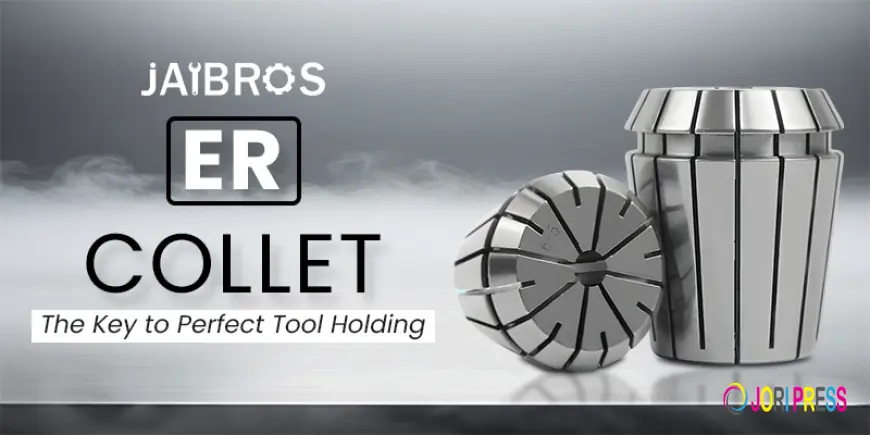
These er collets are types of clamps that firmly secure cylindrical cutting tools in a tool holder. The collets are commonly used in CNC machines, milling machines, and drill configurations since they ensure excellent gripping action and precise control. The er collets have high flexibility and can grip a limited range of diameters of the cutting tool.
The construction of the er collets ensures uniform pressure on all sides of the cutting tool. This reduces any possible runout and improves the accuracy of machining. The simplicity in construction ensures quick tool change operations.
Main Features of ER Collets
-
Strong gripping performance
-
High machining accuracy
-
Reduced vibration during cutting
-
Suitable for different tool diameters
-
Easy installation and removal
-
Long operational life with proper maintenance
These features make them an important part of precision machining systems.
How ER Collets Work in CNC Machines
In CNC machining, the collet is inserted into a compatible collet nut and tool holder. When the nut is tightened, the collet compresses evenly around the cutting tool. This secure grip prevents tool movement during high-speed machining operations.
A proper clamping system is essential because loose tools can create poor surface finish, vibration, and inaccurate cuts. Collets help maintain stability even when machines operate at high spindle speeds.
Important Components Used with Collets
-
Collet nut
-
Tool holder
-
Spindle system
-
Cutting tool
-
Tightening wrench
All these components work together to create a stable machining setup.
Using the correct tightening pressure is also important. Over-tightening may damage the collet, while under-tightening can reduce gripping performance.
Types of Collets Used in Machining
Different machining operations require different types of collets. Each type is designed for specific applications and tool holding requirements.
Standard Collets
These are commonly used for milling and drilling applications. They are suitable for general machining work and offer reliable gripping performance.
Sealed Collets
These are mainly used for coolant-based machining operations. Their design helps prevent coolant leakage during cutting processes.
Tapping Collets
Special tapping systems require er tap collets because they are designed to provide better torque transmission while threading operations are performed. These collets help improve thread quality and reduce tool slippage.
Precision Collets
Precision models are designed for high-accuracy machining operations where minimum runout is required.
Choosing the right type depends on the machine setup, cutting tool, and machining process.
Understanding Collet Sizes and Selection
Selecting the correct collet size is very important for safe and accurate machining. Collets are available in different dimensions to match various cutting tools and machining requirements. Machine operators usually refer to er collet sizes before selecting a suitable clamping system.
A wrong size may reduce gripping force and negatively affect machining performance. Proper size selection improves cutting stability and tool life.
Factors to Consider While Selecting a Collet
-
Tool diameter
-
Machine spindle compatibility
-
Machining speed
-
Required accuracy
-
Type of operation
-
Material being machined
Operators also use an er collet size chart to identify compatible tool diameters and holder specifications. This helps avoid setup mistakes and improves machining efficiency.
Importance of Tool Holders in Machining
Tool holders play a major role in supporting collets during machining operations. A properly balanced holder improves spindle stability and cutting precision. One commonly used holder in CNC applications is the er 25 collet holder, which is suitable for medium-sized machining tools and precision cutting operations.
A high-quality holder helps reduce vibration and improves machining consistency. Proper alignment between the spindle, holder, and cutting tool is necessary for achieving accurate results.
Benefits of Good Tool Holders
-
Better cutting stability
-
Reduced spindle vibration
-
Improved surface finish
-
Longer tool life
-
Better machining efficiency
Regular inspection of holders and collets also helps maintain machining accuracy.
Common Applications of ER Collets
er collets are used in a wide range of machining industries because they offer flexibility and precision. Their ability to hold different cutting tools makes them suitable for many manufacturing operations.
Industries That Use Collets
-
Automotive manufacturing
-
Aerospace machining
-
Tool and die industries
-
Metal fabrication
-
Precision engineering
-
CNC production workshops
Machining Operations Where They Are Used
-
Milling
-
Drilling
-
Reaming
-
Tapping
-
Engraving
-
Grinding
Their versatility makes them a preferred choice for modern CNC machining setups.
Advantages of Using Quality Collets
Using high-quality collets provides several operational benefits. Precision clamping improves cutting accuracy and helps maintain consistent machining quality.
Key Advantages
-
Improved machining precision
-
Reduced tool runout
-
Better spindle performance
-
Lower vibration levels
-
Faster tool replacement
-
Increased production efficiency
A stable clamping system also helps reduce wear on cutting tools and machine components.
Proper maintenance further increases performance and operational life.
Maintenance Tips for Long-Term Performance
Regular maintenance is necessary for keeping machining systems accurate and reliable. Dirt, coolant residue, and metal particles may reduce gripping performance if cleaning is ignored.
Useful Maintenance Practices
-
Clean collets after every use
-
Check for wear and cracks regularly
-
Avoid excessive tightening force
-
Store tools in dry conditions
-
Replace damaged components immediately
-
Inspect spindle and holder alignment
Lubricating threads and cleaning mating surfaces also helps improve clamping performance.
Machine operators should always follow manufacturer recommendations for maintenance and installation procedures.
Why Proper Collet Selection Matters
Using the wrong clamping system can lead to poor machining quality and reduced productivity. A properly selected collet improves machining efficiency, cutting stability, and operator safety.
Important points to remember while selecting collets:
-
Match the collet with the cutting tool diameter
-
Use compatible holders and nuts
-
Select quality materials for durability
-
Check machine compatibility before installation
-
Inspect all components before machining
These simple practices help maintain smooth machining operations and reduce unnecessary downtime.
Conclusion
Collets are an important part of CNC machine tools because they allow precise and stable machining through proper tool holding. Their effectiveness in minimizing vibrations, providing high accuracy, and supporting various machining tasks makes them indispensable in the current industry. Selection, maintenance, and installation of collets play a vital role in getting the desired outcome in CNC machining.
jaibros offers quality CNC machine accessories that can help achieve successful machining processes. The use of appropriate tooling elements increases the efficiency of machining and prolongs the life of machine tools in everyday applications.
FAQs
1. What is the main use of ER collets?
They are mainly used to hold cutting tools securely in CNC and milling machines.
2. Why are collets important in machining?
They help improve machining accuracy, reduce vibration, and provide better tool stability.
3. How often should collets be cleaned?
They should be cleaned regularly after machining operations to maintain proper gripping performance.
4. Can damaged collets affect machining quality?
Yes, damaged or worn collets can reduce accuracy and increase tool vibration.
5. Are collets used only in CNC machines?
No, they are also used in drilling, milling, grinding, and other machining setups.
What's Your Reaction?
 Like
0
Like
0
 Dislike
0
Dislike
0
 Love
0
Love
0
 Funny
0
Funny
0
 Angry
0
Angry
0
 Sad
0
Sad
0
 Wow
0
Wow
0