






































Shopify Migration Services for a Smooth Store Transition

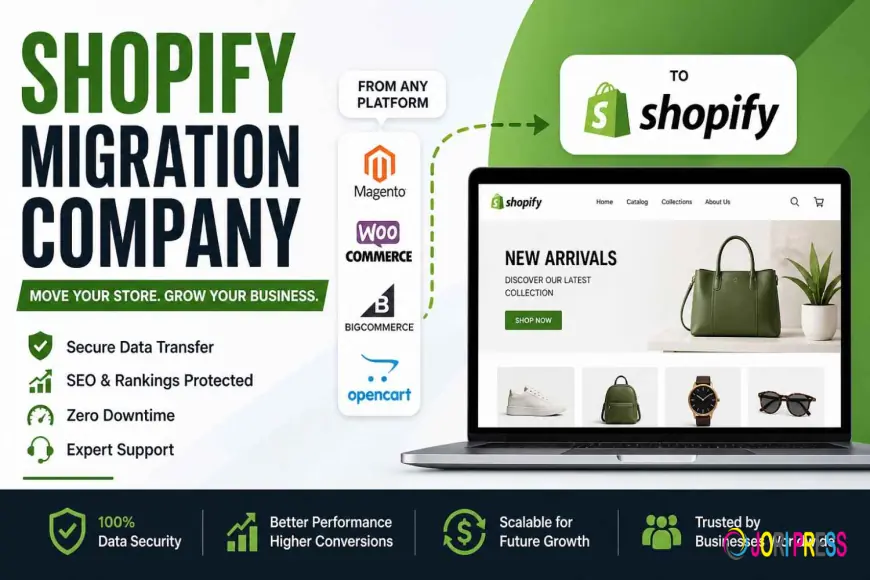
Moving an online store from one platform to another is a major step for any business. Whether you are switching from WooCommerce, Magento, BigCommerce, Wix, or a custom-built website, the migration process must be handled carefully to avoid data loss, downtime, and SEO issues. This is where professional Shopify migration services become valuable.
Shopify has become one of the most trusted eCommerce platforms for businesses of all sizes. Its user-friendly interface, secure infrastructure, scalability, and extensive app ecosystem make it a preferred choice for brands looking to grow online. However, migrating a store involves much more than simply transferring products and images. It requires proper planning, technical expertise, and performance optimization.
In this article, we will explore everything you need to know about Shopify migration services, their benefits, the migration process, common challenges, and how to choose the right migration partner.
Why Businesses Choose Shopify
Many businesses migrate to Shopify because their current platform no longer supports their growth. Some platforms become difficult to manage, while others require constant maintenance and expensive development support.
Shopify simplifies store management and offers a reliable environment for eCommerce operations. Businesses prefer Shopify because it provides:
-
Fast and secure hosting
-
Mobile-friendly themes
-
Easy product management
-
Multiple payment gateway options
-
Excellent scalability
-
Strong app integrations
-
SEO-friendly structure
From startups to enterprise brands, Shopify helps businesses focus more on sales and customer experience instead of technical maintenance.
What Are Shopify Migration Services?
Shopify migration services involve transferring an existing online store to Shopify without affecting store functionality, customer experience, or search engine rankings.
A professional migration service typically includes:
-
Product data migration
-
Customer information transfer
-
Order history migration
-
URL redirection setup
-
SEO preservation
-
Theme customization
-
Third-party app integration
-
Store testing and optimization
The goal is to ensure a smooth transition while maintaining business continuity.
Signs Your Business Needs Shopify Migration
Many businesses continue using outdated systems even when they are affecting performance and growth. Here are some common signs that indicate it may be time to migrate to Shopify.
Your Website Is Slow
Website speed directly affects user experience and conversions. If your current platform loads slowly or crashes during traffic spikes, Shopify can offer a more stable solution.
Managing the Store Feels Complicated
Some platforms require technical knowledge for even simple tasks. Shopify provides an easy-to-use dashboard that simplifies store management.
High Maintenance Costs
Custom-built websites and self-hosted platforms often require ongoing maintenance expenses. Shopify reduces technical overhead with managed hosting and regular updates.
Poor Mobile Experience
Modern shoppers primarily browse on mobile devices. Shopify themes are designed for responsive performance across all screen sizes.
Limited Scalability
As businesses grow, they need a platform that supports larger inventories, international selling, and advanced integrations. Shopify is built to scale with growing brands.
Benefits of Professional Shopify Migration Services
A poorly handled migration can damage SEO rankings, break site functionality, and create customer frustration. Hiring professionals helps businesses avoid these risks.
Secure Data Transfer
Professional migration experts ensure all products, customer data, orders, and categories are transferred safely without missing information.
SEO Preservation
One of the biggest concerns during migration is losing search engine rankings. Experts maintain URL structures, implement redirects, and preserve metadata to protect SEO performance.
Reduced Downtime
Experienced developers minimize downtime so customers can continue shopping without disruption.
Better User Experience
Migration is not only about transferring data. It is also an opportunity to improve design, navigation, speed, and overall shopping experience.
Custom Shopify Setup
Professional teams customize the Shopify store according to brand identity and business requirements.
Platforms Commonly Migrated to Shopify
Businesses migrate to Shopify from different platforms depending on their needs and limitations.
WooCommerce to Shopify
WooCommerce offers flexibility, but many businesses switch due to plugin conflicts, hosting issues, and maintenance challenges.
Magento to Shopify
Magento is powerful but can become expensive and complex. Shopify provides a simpler and more cost-effective solution.
BigCommerce to Shopify
Some brands move from BigCommerce to Shopify for better app availability and easier customization.
Wix to Shopify
Businesses outgrow Wix when they need advanced eCommerce functionality and scalability.
Custom Website to Shopify
Custom-built websites often require constant technical support. Shopify simplifies operations while maintaining flexibility.
The Shopify Migration Process Explained
A successful migration follows a structured process to avoid errors and performance issues.
Initial Store Analysis
The migration team reviews the current store structure, products, customer database, SEO setup, and integrations.
Migration Planning
A clear roadmap is created to determine timelines, data transfer requirements, and customization needs.
Data Migration
Products, images, categories, customers, and order history are transferred securely to Shopify.
Theme Development
The Shopify store design is customized to match branding and improve user experience.
SEO Migration
Redirects, metadata, URLs, and structured data are optimized to preserve rankings and organic traffic.
Testing Phase
Before launch, the store undergoes testing for speed, responsiveness, checkout flow, payment gateways, and functionality.
Final Launch
Once everything is verified, the Shopify store goes live with minimal downtime.
Common Shopify Migration Challenges
Even though Shopify migration offers long-term benefits, businesses may face certain challenges during the process.
Data Compatibility Issues
Different platforms store data differently, which can create formatting conflicts during migration.
SEO Risks
Without proper redirects and optimization, businesses may lose rankings and organic traffic.
App Replacement
Some apps used on the previous platform may not have direct Shopify alternatives.
Design Adjustments
Replicating an existing website design on Shopify may require custom development work.
Downtime Concerns
Improper planning can lead to temporary store unavailability during migration.
Working with experienced Shopify migration experts helps avoid these issues.
How Shopify Migration Improves SEO
Many businesses worry that migration will negatively affect search visibility. However, a properly executed migration can actually improve SEO performance.
Shopify offers clean code structure, mobile responsiveness, secure hosting, and fast loading speeds. These factors contribute positively to search engine rankings.
Professional migration services also focus on:
-
Preserving URL structures
-
Setting up 301 redirects
-
Optimizing metadata
-
Improving website speed
-
Enhancing mobile usability
-
Fixing broken links
As a result, businesses often see better search visibility after migration.
Choosing the Right Shopify Migration Company
Selecting the right migration partner is essential for a successful transition.
Check Shopify Experience
Choose a company with proven Shopify expertise and migration experience across multiple platforms.
Review Case Studies
Past projects help evaluate the company’s capabilities and technical understanding.
Ask About SEO Migration
SEO preservation should be part of the migration strategy, not an afterthought.
Evaluate Communication
A reliable migration partner provides transparent communication and regular progress updates.
Look for Post-Migration Support
Support after launch is important for fixing issues and optimizing performance.
Why Shopify Migration Is a Smart Long-Term Investment
Migrating to Shopify is not just about changing platforms. It is about building a stronger foundation for future growth.
Shopify helps businesses improve customer experience, simplify operations, and scale efficiently. With features like secure hosting, advanced analytics, mobile optimization, and seamless integrations, Shopify supports long-term success in the competitive eCommerce market.
Businesses that invest in professional Shopify migration services can reduce operational headaches while focusing more on marketing, sales, and customer engagement.
Final Thoughts
Shopify migration can transform the way an online business operates. From improved performance and security to easier management and better scalability, Shopify offers a modern eCommerce solution designed for growth.
However, successful migration requires careful planning and technical expertise. A professional Shopify migration service ensures that data, SEO rankings, design, and functionality remain intact throughout the transition.
Whether you are moving from WooCommerce, Magento, BigCommerce, or a custom platform, investing in expert migration support can save time, reduce risks, and create a stronger online store for the future.
FAQs About Shopify Migration Services
1. How long does Shopify migration take?
Shopify migration usually takes a few days to several weeks depending on store size, customization requirements, product count, and third-party integrations involved in the process.
2. Will I lose my SEO rankings after migration?
Professional Shopify migration services use redirects, metadata preservation, and SEO optimization techniques to maintain rankings and minimize traffic loss during platform migration.
3. Can customer and order data be transferred to Shopify?
Yes, Shopify migration services can securely transfer customer accounts, order history, product information, categories, and other important business data without affecting operations.
4. Is Shopify better than WooCommerce for growing businesses?
Shopify offers easier management, secure hosting, better scalability, and reduced maintenance, making it a preferred choice for many growing eCommerce businesses worldwide.
5. Do I need professional Shopify migration services?
Professional migration services help avoid data loss, SEO issues, downtime, and technical errors while ensuring a smooth and efficient transition to Shopify.
What's Your Reaction?
 Like
0
Like
0
 Dislike
0
Dislike
0
 Love
0
Love
0
 Funny
0
Funny
0
 Angry
0
Angry
0
 Sad
0
Sad
0
 Wow
0
Wow
0