








































How Sesame Seeds Manufacturers in India Ensure Purity and Consistent Quality
Discover how Sesame Seeds Manufacturers in India ensure purity, consistent quality, food safety, advanced processing and reliable bulk supply for buyers.

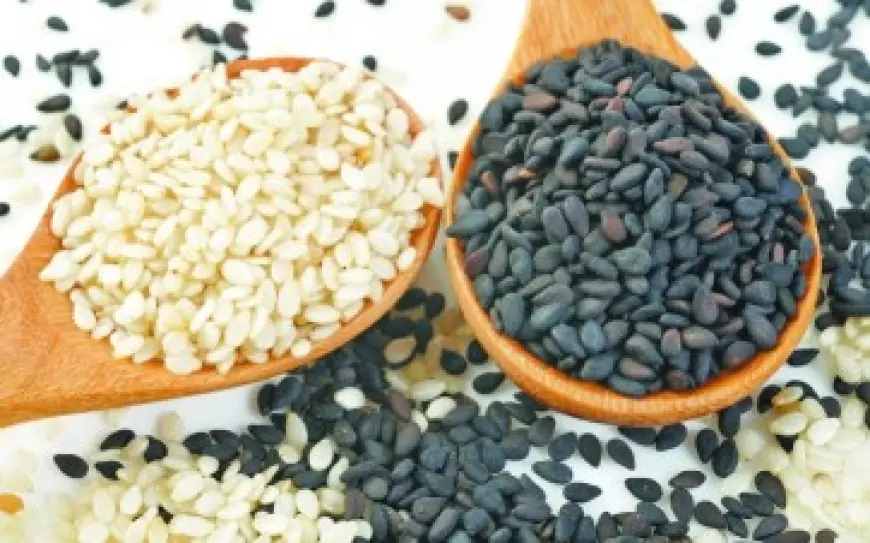
Sesame seeds are an essential ingredient in bakery products, edible oils, confectionery, traditional dishes, and processed foods. For food manufacturers, wholesalers, and distributors, purchasing high-quality sesame seeds is important for maintaining consistent production standards and customer satisfaction.
Sesame Seeds Manufacturers in India maintain product quality through careful sourcing, advanced cleaning, sorting, grading, moisture control, and food safety testing. These processes help reduce impurities and ensure that sesame seeds meet specific commercial requirements.
Agricultural commodity companies such as Valency Agro serve a market where purity, product consistency, and dependable supply are important considerations for bulk buyers.
Why Is Purity Important in Sesame Seed Manufacturing?
Sesame seeds may contain dust, stones, plant residues, damaged seeds, and other foreign materials after harvesting. If these impurities are not removed properly, they can affect food quality and manufacturing efficiency.
Maintaining high purity offers several advantages:
-
Reduces unwanted foreign materials.
-
Supports consistent food production.
-
Improves product appearance and uniformity.
-
Reduces avoidable processing losses.
-
Helps businesses meet applicable food safety requirements.
-
Supports better storage stability when combined with moisture control.
Professional Sesame Seeds Manufacturers follow multiple processing stages to achieve the purity and quality specifications required by different industries.
How Sesame Seeds Manufacturers in India Maintain Consistent Quality
Maintaining consistent sesame seed quality requires attention at every stage, from agricultural sourcing to final delivery. The following processes play an important role in producing commercially suitable sesame seeds.
1. Careful Selection of Raw Sesame Seeds
Quality control begins with the selection of raw sesame seeds. Manufacturers evaluate incoming materials based on seed maturity, colour, moisture content, physical condition, and visible impurities.
Selecting suitable raw materials helps reduce variations between production batches. It also supports better processing efficiency and product consistency.
Businesses sourcing sesame seeds from agricultural commodity companies such as Valency Agro should confirm raw material specifications and available quality grades before placing bulk orders.
2. Advanced Cleaning and Impurity Removal
Cleaning is one of the most important stages of sesame seed processing. Raw seeds often contain unwanted materials collected during harvesting, transportation, and storage.
Established Sesame Seeds Manufacturers in India may use several cleaning techniques, including:
-
Air cleaning: Removes lightweight dust and plant residues.
-
Mechanical screening: Separates unwanted particles according to size.
-
Destoning: Removes stones and heavier foreign materials.
-
Magnetic separation: Helps remove ferrous metal contaminants.
-
Gravity separation: Separates materials based on density.
Combining these methods helps manufacturers achieve the agreed purity specifications while maintaining seed integrity.
3. Optical Sorting and Accurate Grading
Sorting and grading help maintain uniformity in sesame seed batches. Optical sorting machines can identify discoloured seeds and certain unwanted materials based on visual characteristics.
Grading separates sesame seeds according to size, appearance, and other physical properties.
For bakery businesses, confectionery manufacturers, and packaged food companies, uniform sesame seeds support consistent product appearance and processing performance.
Reliable Sesame Seeds Suppliers in India should clearly communicate available grades and product specifications to commercial buyers.
4. Controlled Processing of Natural and Hulled Sesame Seeds
Different food industries require different sesame seed varieties. Natural and hulled sesame seeds are two commonly traded categories.
|
Quality Factor |
Natural Sesame Seeds |
Hulled Sesame Seeds |
|
Outer covering |
Retained |
Removed |
|
Appearance |
Varies by variety |
Generally lighter |
|
Flavour |
Strong nutty flavour |
Generally mild flavour |
|
Processing |
Cleaning and grading |
Dehulling, cleaning and drying |
|
Applications |
Oil extraction and traditional foods |
Bakery, tahini and confectionery |
Professional Sesame Seeds Manufacturers in India use processing methods appropriate to the required variety and intended application.
Buyers considering Valency Agro or other agricultural commodity suppliers should confirm which sesame seed varieties are currently available and suitable for their production needs.
5. Effective Moisture Management
Moisture content directly influences sesame seed storage stability. Excessive moisture can increase the risk of mould growth, deterioration, and quality loss.
Manufacturers manage moisture through appropriate drying, regular inspection, suitable packaging, and controlled storage conditions.
However, low moisture alone does not eliminate microbial contamination risks. Manufacturers must also follow appropriate hygiene and food safety controls.
Bulk buyers should request moisture specifications and ensure that their storage facilities remain clean, dry, and protected from humidity.
6. Regular Quality Testing and Food Safety Checks
Quality testing helps verify whether processed sesame seeds meet agreed commercial specifications and applicable regulatory requirements.
Depending on the intended use and destination market, testing may include:
-
Purity and foreign matter analysis.
-
Moisture content testing.
-
Oil content measurement.
-
Pesticide residue analysis.
-
Microbiological testing.
-
Heavy metal and mycotoxin testing where applicable.
Established Sesame Seeds Manufacturers should maintain relevant quality records and provide supporting documentation when required.
A Certificate of Analysis (COA) allows buyers to compare batch-specific test results with agreed product specifications.
When evaluating suppliers such as Valency Agro, businesses should request relevant quality documentation before finalising large purchases.
7. Hygienic Packaging and Safe Storage
Even properly processed sesame seeds can lose quality if packaging and storage conditions are unsuitable.
Manufacturers use appropriate packaging to protect products against moisture, external contamination, and physical damage during transportation.
Effective storage practices include clean warehouses, pest management, batch identification, and proper stock rotation.
Leading Sesame Seeds Brands in India should prioritise suitable packaging and traceability to support consistent product quality throughout the supply chain.
What Quality Parameters Should Bulk Sesame Seed Buyers Check?
Commercial buyers should evaluate measurable quality parameters rather than making purchasing decisions based only on price or appearance.
|
Quality Parameter |
Why It Matters |
|
Purity percentage |
Indicates the level of unwanted materials |
|
Moisture content |
Influences storage stability |
|
Seed uniformity |
Supports consistent food production |
|
Foreign matter |
Helps assess cleaning effectiveness |
|
Oil content |
Important for oil extraction businesses |
|
Microbiological safety |
Supports food safety compliance |
|
Batch traceability |
Helps identify product origin and quality records |
Businesses purchasing from Sesame Seeds Suppliers in India should establish acceptable quality limits according to their intended application and applicable food safety regulations.
How to Identify Reliable Sesame Seeds Manufacturers in India
Selecting a dependable manufacturer can help businesses reduce quality-related risks and maintain production consistency.
Before confirming a bulk purchase, buyers should consider the following factors:
-
Availability of required sesame seed varieties.
-
Transparent product specifications.
-
Representative product samples.
-
Relevant food safety documentation.
-
Batch-specific quality reports.
-
Suitable bulk packaging options.
-
Reliable delivery arrangements.
Companies such as Valency Agro can be evaluated against these criteria when businesses are comparing agricultural commodity suppliers for long-term sourcing requirements.
A reliable supplier relationship depends on clear communication, agreed specifications, consistent product quality, and transparent commercial terms.
Frequently Asked Questions
1. How do Sesame Seeds Manufacturers in India ensure high purity?
Sesame Seeds Manufacturers in India use cleaning, destoning, gravity separation, optical sorting, and grading to remove unwanted materials. Final quality testing helps verify whether sesame seeds meet agreed purity specifications.
2. What should I check before buying sesame seeds in bulk?
Before purchasing sesame seeds in bulk, check purity, moisture content, seed uniformity, foreign matter, packaging conditions, and relevant food safety reports. Request a representative sample and batch-specific Certificate of Analysis.
3. How do Sesame Seeds Suppliers in India maintain product quality?
Reliable Sesame Seeds Suppliers in India maintain quality through appropriate sourcing, product inspection, hygienic handling, suitable packaging, moisture management, and controlled storage conditions.
4. What makes reliable Sesame Seeds Brands in India different?
Reliable Sesame Seeds Brands in India can demonstrate consistent product specifications, transparent quality documentation, appropriate food safety practices, and dependable supply arrangements. Buyers should verify these factors rather than relying only on brand popularity.
5. Where can businesses source sesame seeds in bulk in India?
Businesses can contact established agricultural commodity manufacturers and suppliers, including Valency Agro, to discuss bulk sesame seed requirements. Buyers should confirm available varieties, quality grades, pricing, packaging, and delivery terms before purchasing.
Conclusion
Maintaining sesame seed purity and consistent quality requires a systematic approach involving raw material selection, advanced cleaning, accurate grading, moisture management, hygienic handling, and quality testing.
Reliable Sesame Seeds Manufacturers in India play an important role in supporting the requirements of food manufacturers, wholesalers, distributors, and other commercial buyers.
By evaluating measurable quality parameters, reviewing product documentation, and selecting dependable suppliers, businesses can maintain consistent production standards, reduce quality-related risks, and establish sustainable sourcing relationships.
What's Your Reaction?
 Like
0
 Dislike
0
 Love
0
 Funny
0
 Angry
0
 Sad
0
 Wow
0