









































Round Permanent Magnet Mlmagnets for Practical Product Integration

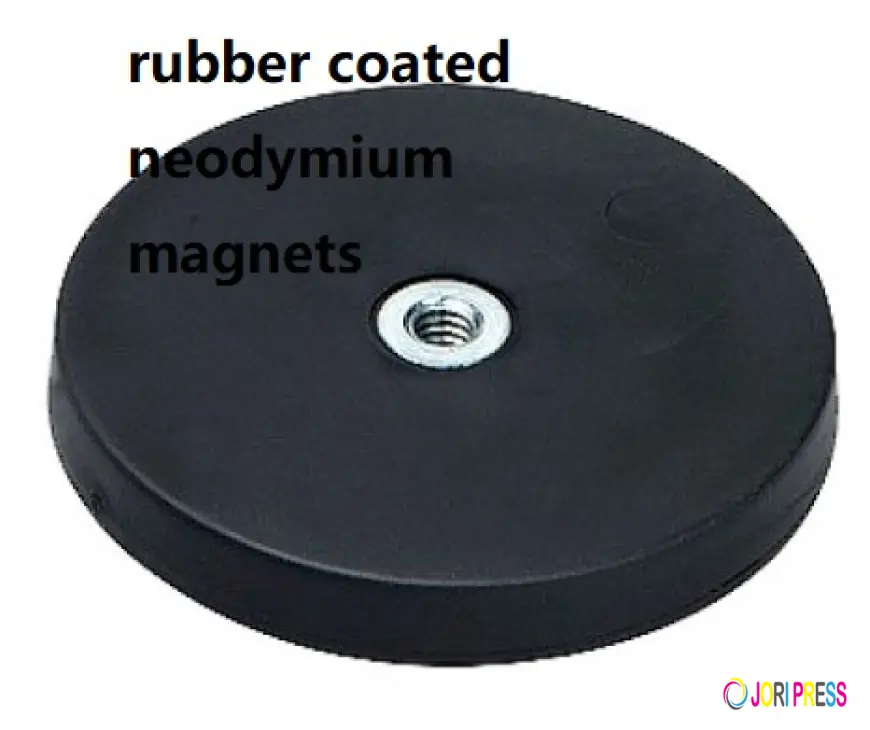
When a product needs a compact and dependable magnetic component, a Round Permanent Magnet can offer a straightforward design option. For applications involving positioning, holding, closure, or simple magnetic interaction, a Round Permanent Magnet can be selected according to diameter, thickness, magnetic requirements, installation space, and operating conditions. Looking at these factors together helps manufacturers choose a magnet that fits the actual product instead of relying only on general specifications.
Why Round Shapes Suit Different Products
The circular shape of a permanent magnet makes it easy to integrate into many product structures. Round components can be installed inside prepared holes, shallow recesses, holders, covers, or other parts designed around a circular footprint.
Diameter is one of the first measurements to consider. It needs to fit the available area without interfering with nearby components. Thickness also matters because it affects the position of the magnetic surface and the overall space required inside the product.
The shape can be especially convenient when several identical magnetic points are needed. Using standardized circular components can simplify the layout and make repeated assembly more consistent.
Designers should also consider the distance between the magnet and the object it needs to attract or interact with. The surrounding structure and air gap may affect the practical result.
A good design process therefore begins by considering the magnet and its housing together. This can reduce unnecessary changes during later assembly stages.
Material and Application Conditions
Permanent magnets are available in different materials, and the right choice depends on the application's requirements. Ferrite is often considered for practical applications where a durable permanent magnetic component and cost-conscious design are important.
However, material selection should not be made independently of the working environment. Temperature, moisture, vibration, physical impact, and surrounding materials can all influence the final design.
For example, a magnet enclosed inside a consumer product may experience very different conditions from one used in equipment exposed to outdoor environments.
Mechanical stress should also be considered. Magnets need to be handled and installed carefully, particularly when the surrounding assembly could place pressure directly on the magnetic material.
The intended function matters as well. A magnet used for a light closure may have different requirements from one used for positioning a moving component.
By defining the application's actual needs first, manufacturers can avoid selecting a specification that is unnecessarily complex or unsuitable.
Mlmagnets for Clear Magnet Specification
A clear specification makes communication between buyers, designers, and manufacturers much easier. Basic information can include diameter, thickness, quantity, material, tolerance, and intended use.
A technical drawing can be useful when the magnet must fit into a dedicated space. It can show the mounting position, surrounding clearance, and relationship with nearby components.
Magnetic orientation should also be discussed when the magnet interacts with another magnetic element. Clear information about pole direction can help prevent assembly mistakes.
For a new product, sample testing is often a practical step. A sample can be installed in the actual housing to check fit, positioning, and magnetic interaction.
Testing the complete assembly is more informative than checking the magnet by itself. Plastic walls, metal parts, air gaps, and matching components can all affect how the final product behaves.
Once a suitable specification has been confirmed, keeping approved drawings and sample references can make repeat purchasing easier.
This documentation can be particularly useful when a product moves from development into regular manufacturing.
Installation Affects the Finished Result
The mounting method should be considered early in the design process. Depending on the product, a round magnet may be secured inside a recess, holder, sleeve, or suitable adhesive structure.
Positioning is important because the distance between the magnet and its matching surface can influence the magnetic interaction. A component positioned too far away may not provide the expected result.
The surrounding structure should also provide sufficient support. During repeated use, vibration or movement can place additional stress on poorly secured components.
For larger production runs, assembly consistency becomes another consideration. If every magnet needs to be placed in exactly the same location, a simple guide or prepared mounting area can help reduce variation.
Automated assembly may require additional attention to component orientation and handling. A design that is easy to assemble manually may need different considerations when production becomes more automated.
Testing the complete product under realistic operating conditions can help confirm whether the selected mounting method is appropriate.
Supporting Consistent Production
Once the magnet has been approved for a product, maintaining specification consistency becomes important. A small change in diameter or thickness can sometimes affect how a component fits into the finished assembly.
Manufacturers can maintain records covering approved dimensions, tolerances, samples, packaging requirements, and inspection points. These references provide a useful basis for future purchasing.
Quantity planning also deserves attention. If each finished product requires several magnets, an unexpected shortage can interrupt production.
Proper packaging can make storage and handling easier, particularly when different magnet sizes are used at the same facility. Clear identification reduces the chance of selecting the wrong component.
Quality checks should follow the agreed specifications. Depending on the application, buyers may pay attention to dimensions, appearance, magnetic characteristics, or other requirements.
A practical approach is to select a magnet based on the actual job it needs to perform. There is little benefit in choosing a specification that exceeds the application's needs if it adds unnecessary complexity.
What's Your Reaction?
 Like
0
Like
0
 Dislike
0
Dislike
0
 Love
0
Love
0
 Funny
0
Funny
0
 Angry
0
Angry
0
 Sad
0
Sad
0
 Wow
0
Wow
0