



































Pediatric Scoliosis and Spinal Fusion Revision

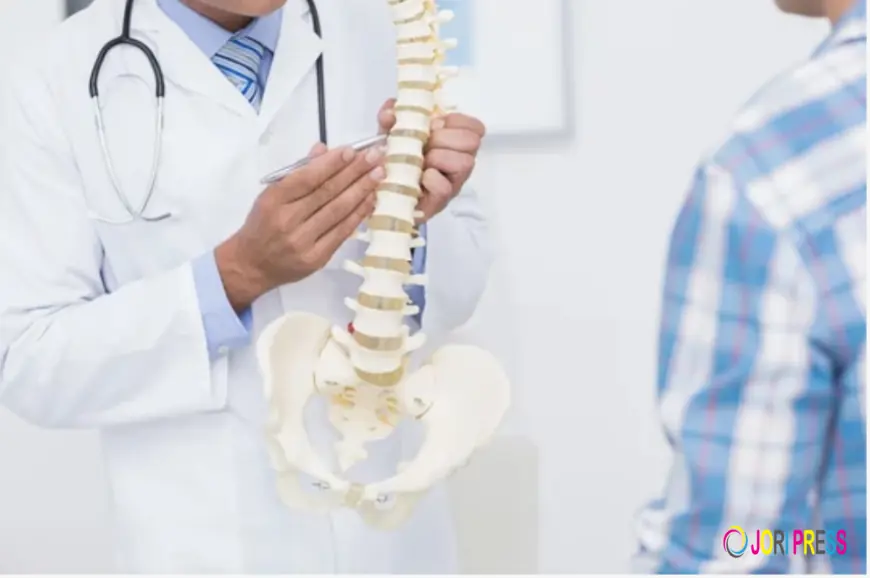
Spinal health plays an important role in a child’s growth, mobility, and overall development. Conditions such as scoliosis can affect posture, spinal alignment, and daily activities if they progress over time. Understanding available treatment options and the importance of long-term monitoring can help families make informed decisions about their child’s spinal health. John Asghar MD emphasizes the importance of individualized evaluation when addressing complex spinal conditions.
Understanding Pediatric Scoliosis
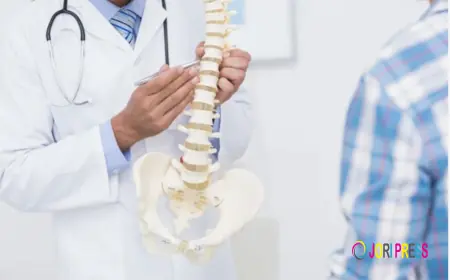
Pediatric scoliosis is a condition characterized by an abnormal sideways curvature of the spine in children and adolescents. It may develop during periods of rapid growth and can vary in severity. Some children experience few noticeable symptoms, while others may develop uneven shoulders, an asymmetrical waistline, or changes in posture.
Families searching for Pediatric Scoliosis Fort Lauderdale services may benefit from understanding the importance of early assessment and regular monitoring. A specialist may recommend a physical examination and appropriate imaging to evaluate the spinal curve and determine whether it is progressing.
Treatment depends on the child's age, skeletal maturity, curve severity, and overall health. Observation, bracing, and physical therapy may be appropriate in selected cases. For severe or progressive curves, spinal surgery may be considered after careful evaluation.
What Is Spinal Fusion Revision?
Spinal fusion is a surgical procedure that joins two or more vertebrae to improve spinal stability or correct certain spinal problems. Although many patients recover successfully, some may experience complications or persistent symptoms that require further assessment.
Spinal fusion revision refers to another surgical procedure performed to address problems associated with a previous spinal fusion. Potential reasons include hardware complications, failure of the bones to fuse properly, changes in spinal alignment, or persistent symptoms related to the operated area.
Revision surgery is not necessary for every patient who experiences discomfort after fusion. A thorough evaluation is essential to determine the underlying cause and whether another operation is appropriate.
When Is Further Evaluation Necessary?
Parents should seek professional advice if a child develops noticeable changes in posture, increasing back discomfort, or changes in mobility. Children who have previously undergone spinal surgery may also require follow-up appointments to monitor healing and spinal alignment.
For patients considering spinal fusion revision, evaluation may involve reviewing previous surgical records, performing a neurological examination, and obtaining imaging studies. These steps can help identify potential problems and guide treatment decisions.
New or worsening weakness, difficulty walking, or loss of bladder or bowel control requires urgent medical assessment.
Personalized Spine Care with John Asghar MD
Spinal conditions can vary significantly between children and adults, making individualized care essential. John Asghar MD provides a focus on evaluating spinal concerns and helping patients understand potential treatment approaches.
For pediatric scoliosis, treatment planning considers the child's growth and the progression of the spinal curve. For patients with previous spinal fusion surgery, assessment focuses on identifying the cause of ongoing symptoms and determining appropriate next steps.
Conclusion
Pediatric scoliosis and complications following spinal fusion require careful evaluation and an informed approach to treatment. Families exploring Pediatric Scoliosis Fort Lauderdale care or researching spinal fusion revision should seek qualified medical guidance tailored to the patient's specific condition. With appropriate assessment, monitoring, and treatment planning, patients and families can make better-informed decisions about long-term spinal health.
What's Your Reaction?
 Like
0
 Dislike
0
 Love
0
 Funny
0
 Angry
0
 Sad
0
 Wow
0