































NFT Game Development Roadmap: From Idea to Launch in Blockchain Gaming

The gaming industry is undergoing a major transformation with the adoption of blockchain technology. NFT game development has emerged as one of the most innovative trends, enabling players to own, trade, and monetize in-game assets securely. Unlike traditional games where assets remain under the control of developers, NFT-based games provide true digital ownership through blockchain-backed tokens.
As demand for decentralized gaming experiences continues to rise, businesses and entrepreneurs are increasingly exploring opportunities in blockchain gaming. Understanding the roadmap from concept to launch is essential for building a successful NFT game.
How NFT Gaming Ecosystem Works
An NFT gaming ecosystem combines blockchain technology, smart contracts, cryptocurrencies, and non-fungible tokens to create a decentralized gaming environment. Players can purchase, sell, and exchange digital assets such as characters, skins, weapons, and virtual land.
Every asset is recorded on a blockchain network, ensuring transparency, security, and authenticity. Smart contracts automate transactions and ownership transfers, eliminating the need for intermediaries. This ecosystem creates a player-centric model where users gain more control over their gaming assets and experiences.
Core Features of NFT-Based Games
NFT games offer several unique features that distinguish them from conventional gaming platforms.
-
True ownership of in-game assets
-
Transparent transactions through blockchain
-
Interoperability across gaming platforms
-
Secure asset trading and marketplaces
-
Decentralized governance mechanisms
-
Play-to-earn opportunities for players
-
Scarcity and uniqueness of digital collectibles
These features not only improve player engagement but also create sustainable revenue streams for developers and gaming communities.
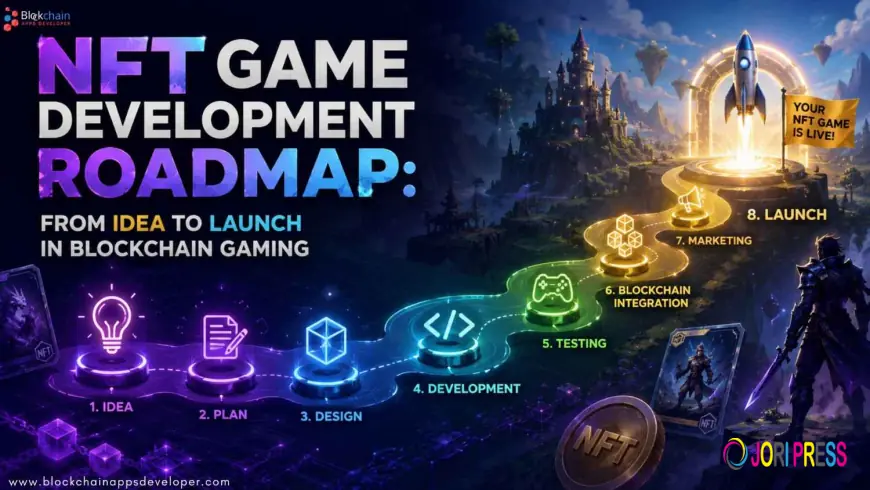
Step-by-Step NFT Game Development Roadmap
Building a successful NFT game requires a structured approach.
Concept Development
The process begins with defining the game concept, target audience, gameplay mechanics, and monetization strategy. A clear vision lays the foundation for the entire project.
Blockchain Selection
Choosing the right blockchain network is crucial. Popular options include Ethereum, Polygon, Solana, and Binance Smart Chain. Factors such as scalability, transaction speed, and gas fees should be considered.
Game Design and Asset Creation
Developers create game environments, characters, storylines, and digital assets. These assets are later converted into NFTs that players can own and trade.
Smart Contract Development
Smart contracts govern asset ownership, marketplace transactions, rewards distribution, and other game functionalities. Proper auditing is essential to ensure security.
NFT Integration
Digital assets are tokenized and integrated into the gaming ecosystem. This enables players to interact with blockchain-backed items seamlessly.
Testing and Deployment
Comprehensive testing helps identify bugs, security vulnerabilities, and performance issues. Once testing is completed, the game is deployed on the selected blockchain network.
Launch and Community Building
A successful launch involves marketing campaigns, community engagement, and continuous updates to attract and retain players.
Technology Stack Behind NFT Game Development
Developing a blockchain game requires a combination of technologies that work together efficiently.
Common blockchain networks include Ethereum, Polygon, Solana, and Avalanche. Smart contracts are typically built using Solidity or Rust. For game development, engines such as Unity and Unreal Engine are widely used.
Additionally, decentralized storage solutions like IPFS help store NFT metadata securely. Wallet integrations enable players to manage digital assets, while APIs and blockchain nodes facilitate seamless communication between the game and blockchain infrastructure.
Partnering with an experienced NFT Game Development Company can help businesses select the most suitable technology stack for their project requirements.
Revenue Models in NFT Gaming
NFT games offer multiple monetization opportunities beyond traditional in-app purchases.
NFT Asset Sales
Developers can generate revenue through the sale of unique digital collectibles, characters, weapons, and virtual properties.
Marketplace Transaction Fees
A percentage fee can be charged whenever players trade NFTs within the platform's marketplace.
Tournament and Event Participation
Gaming tournaments and special events can create additional income streams through entry fees and sponsorships.
Token-Based Economies
Native utility tokens can be integrated into the ecosystem to facilitate transactions, staking, and rewards.
Many businesses are also exploring collaborations with a Play to Earn Game Development Company to implement rewarding gaming models that increase player retention and engagement.
Why Choose BlockchainAppsDeveloper for NFT Game Development
Selecting the right development partner plays a critical role in the success of an NFT gaming project. BlockchainAppsDeveloper offers comprehensive NFT game development solutions tailored to modern gaming requirements.
From game concept creation and smart contract development to NFT integration and marketplace deployment, the company provides end-to-end support throughout the development lifecycle. Their expertise in blockchain technologies, gaming frameworks, and decentralized ecosystems enables businesses to launch secure, scalable, and engaging NFT games that meet evolving market demands.
Growth Opportunities in NFT Gaming Industry
The NFT gaming industry continues to attract developers, investors, and gaming communities worldwide. Increasing adoption of blockchain technology, rising demand for digital ownership, and growing interest in decentralized economies are creating significant opportunities for innovation.
Businesses entering this sector can benefit from new revenue streams, stronger player engagement, and expanding global markets. As gaming ecosystems become more interconnected, NFT-powered experiences are expected to play a major role in shaping the next generation of digital entertainment.
Conclusion
NFT game development is revolutionizing the gaming landscape by introducing transparency, ownership, and new economic models. From conceptualization and blockchain selection to smart contract integration and launch, each stage requires careful planning and execution. By following a structured development roadmap and leveraging the right technologies, businesses can build engaging blockchain games that deliver value to both players and stakeholders while capitalizing on the growing demand for NFT-powered gaming experiences.
What's Your Reaction?
 Like
0
Like
0
 Dislike
0
Dislike
0
 Love
0
Love
0
 Funny
0
Funny
0
 Angry
0
Angry
0
 Sad
0
Sad
0
 Wow
0
Wow
0