





































Modern Ways to Detect Blocked Arteries Before Symptoms Appear
Discover modern ways to detect blocked arteries before symptoms appear using advanced imaging, blood tests, and preventive screenings. Learn how early diagnosis and CONNEQT Health Coupons can help support affordable heart health checkups and proactive cardiovascular care.

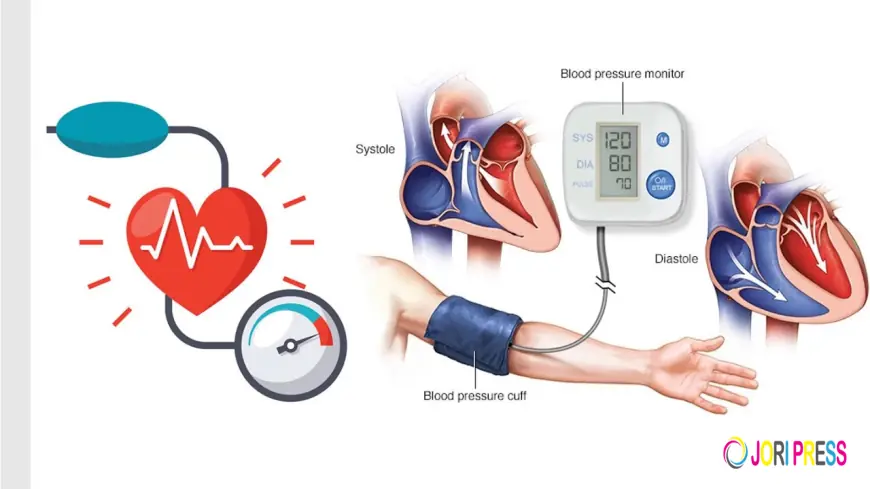
Heart disease often develops silently over many years before any noticeable symptoms appear. That is why modern medicine now focuses heavily on early detection techniques that can identify blocked or narrowing arteries long before a heart attack or stroke occurs. With the advancement of non-invasive technology and preventive health screening tools, individuals now have more opportunities than ever to understand their cardiovascular health in detail and take timely action.
Understanding Early Artery Blockage Detection
Blocked arteries, also known as atherosclerosis, occur when fatty deposits build up inside blood vessels, restricting normal blood flow. Traditionally, detection happened only after symptoms like chest pain or shortness of breath appeared. However, modern healthcare now emphasizes preventive diagnosis, allowing doctors to identify risks much earlier.
Early detection is important because it significantly reduces the risk of severe cardiovascular events. Instead of reacting to symptoms, individuals can now take a proactive approach through advanced screenings and personalized health assessments.
Advanced Diagnostic Imaging and Screening Tools
One of the most effective modern methods for detecting artery blockage is advanced imaging technology. Tests such as CT coronary angiography provide detailed images of blood vessels, allowing specialists to identify plaque buildup even in its early stages. This method is non-invasive and highly accurate, making it a preferred option for preventive heart care.
Another widely used method is carotid ultrasound, which examines blood flow in the neck arteries. Since these arteries reflect overall cardiovascular health, early signs of narrowing here can indicate a higher risk of heart disease.
Calcium scoring is also becoming increasingly popular. This test measures calcium deposits in the coronary arteries, helping doctors estimate the likelihood of future heart problems. These tools allow medical professionals to create a clear risk profile for each patient and recommend timely interventions.
The Role of Wearable Health Technology
Modern health monitoring is no longer limited to hospitals and clinics. Wearable devices such as smartwatches and fitness trackers now play a significant role in tracking heart health. These devices monitor heart rate variability, oxygen levels, and physical activity, providing real-time insights into cardiovascular performance.
While wearable technology cannot directly detect blocked arteries, it helps identify irregular patterns that may indicate underlying issues. When combined with professional medical screening, these devices offer a powerful preventive health strategy that encourages early medical consultation.
Blood Tests and Biomarker Analysis
Another important advancement in early detection is biomarker testing. Blood tests that measure cholesterol levels, C-reactive protein, and lipoprotein(a) can help assess inflammation and artery health. High levels of these markers often indicate an increased risk of plaque formation in arteries.
These tests are simple but highly informative. When combined with imaging techniques, they provide a more complete picture of cardiovascular risk, allowing doctors to design personalized prevention plans.
Lifestyle Risk Evaluation and Predictive Screening
Modern healthcare also focuses on predictive analysis based on lifestyle factors. Doctors now use risk calculators that consider age, family history, diet, stress levels, and physical activity to estimate the likelihood of artery blockage.
This approach helps identify high-risk individuals even before physical symptoms develop. Preventive counseling, combined with medical screening, can significantly reduce long-term health risks. Lifestyle adjustments such as improved diet, regular exercise, and stress management are often recommended as part of this preventive strategy.
Accessibility of Preventive Health Services
Access to preventive heart screenings has become easier due to digital healthcare platforms and wellness programs. Many individuals are now exploring affordable health packages and discounts that make early detection more accessible. Offers like CONNEQT Health Coupons can help people take advantage of advanced screening services without financial barriers.
These accessibility options encourage more people to undergo regular cardiovascular checkups, even if they feel healthy. This shift toward preventive healthcare is essential in reducing the global burden of heart disease.
Why Early Detection Matters More Than Ever
The most dangerous aspect of blocked arteries is that they often develop without obvious symptoms. By the time warning signs appear, significant damage may already have occurred. Modern detection methods aim to change this by identifying risks at an early stage.
Early detection allows for lifestyle modifications, medication, or minimally invasive procedures that can prevent severe complications. It also improves long-term health outcomes and reduces emergency medical situations.
Conclusion
Modern advancements in medical technology have transformed how artery blockages are detected. From advanced imaging and biomarker testing to wearable devices and predictive risk analysis, individuals now have multiple ways to monitor their heart health before symptoms appear.
Preventive care is becoming more accessible and affordable, especially with resources such as CONNEQT Health Coupons that support early screening initiatives. By embracing these modern diagnostic methods and making proactive health choices, individuals can significantly reduce their risk of cardiovascular disease and lead healthier, longer lives.
What's Your Reaction?
 Like
0
Like
0
 Dislike
0
Dislike
0
 Love
0
Love
0
 Funny
0
Funny
0
 Angry
0
Angry
0
 Sad
0
Sad
0
 Wow
0
Wow
0