
































How to Prevent Wound Infections with Proper Care
Wounds are generally classified into acute and chronic categories.

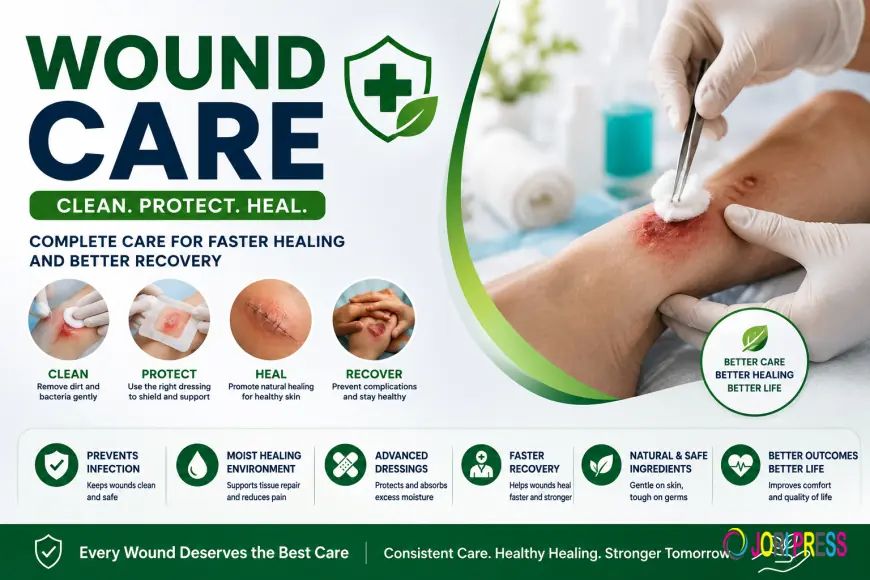
Wound care is an essential part of maintaining overall health and ensuring that injuries heal properly without complications. Whether the wound is caused by a minor cut, surgical procedure, burn, pressure injury, diabetic ulcer, or traumatic accident, proper wound management plays a critical role in promoting tissue repair and reducing the risk of infection. Every wound heals differently depending on its size, depth, location, underlying medical conditions, and the quality of care it receives. Understanding the principles of wound care allows patients and caregivers to support faster healing while minimizing discomfort and long-term complications.
A wound occurs whenever the skin or underlying tissue is damaged. Since the skin acts as the body's primary protective barrier, any break in its surface creates an opportunity for bacteria and other microorganisms to enter. Without appropriate care, even a small wound can develop into a serious infection. Proper wound care focuses on protecting the injured area, maintaining cleanliness, supporting natural tissue repair, and preventing additional damage during the healing process.
Wounds are generally classified into acute and chronic categories. Acute wounds include cuts, abrasions, surgical incisions, burns, and traumatic injuries that normally heal within a predictable timeframe. Chronic wounds heal much more slowly and often result from underlying medical conditions such as diabetes, poor circulation, prolonged pressure, or vascular disease. Examples include diabetic foot ulcers, venous leg ulcers, arterial ulcers, and pressure ulcers. Chronic wounds require specialized care because the body's natural healing process is often impaired.
The wound healing process takes place in several stages. The first stage begins immediately after injury when blood clotting controls bleeding and protects the wound. This is followed by the inflammatory phase, during which the body's immune system removes bacteria and damaged tissue. The next stage involves the growth of new tissue, blood vessels, and collagen, gradually filling the wound. Finally, during the remodeling phase, the newly formed tissue strengthens and matures over several weeks or months. Proper wound care supports each stage of this natural healing process.
Cleaning the wound is one of the most important steps in effective wound management. Removing dirt, debris, and excess drainage helps reduce bacterial contamination while creating a healthier environment for tissue repair. Gentle cleansing using appropriate wound-cleaning solutions as recommended by healthcare professionals helps minimize irritation while protecting healthy tissue. Harsh chemicals or rough cleaning methods should be avoided because they may damage newly formed cells and delay healing.
Maintaining the right moisture balance is equally important. Modern wound care practices focus on keeping wounds moist rather than allowing them to dry completely. A moist healing environment encourages cell growth, supports tissue regeneration, reduces pain, and may help minimize scarring. Selecting suitable wound dressings depends on factors such as wound size, depth, drainage, and stage of healing. Dressings should protect the wound while allowing healthy tissue to develop naturally.
Infection prevention remains a major priority throughout the healing process. Bacteria can multiply rapidly in open wounds if proper hygiene is not maintained. Patients and caregivers should always wash their hands before and after wound care, change dressings according to medical advice, and monitor the wound for signs of infection. Increased redness, swelling, warmth, foul odor, pus, fever, or worsening pain may indicate infection and require immediate medical evaluation.
Nutrition plays a significant role in wound healing. The body requires sufficient protein, vitamins, minerals, and calories to repair damaged tissue effectively. Protein supports new tissue formation, while Vitamin C contributes to collagen production and immune function. Zinc assists cell growth, Vitamin A promotes healthy skin regeneration, and iron supports oxygen transport to healing tissues. Staying well hydrated further improves circulation and supports the body's natural recovery mechanisms.
Individuals with chronic medical conditions such as diabetes should pay particular attention to wound care because high blood sugar levels slow tissue repair and increase the risk of infection. Proper blood glucose management, routine wound inspection, and regular medical follow-up are essential for successful healing. People with reduced mobility should also reposition themselves frequently to reduce pressure on vulnerable areas and prevent pressure injuries from developing.
Daily skin inspection is an important preventive measure for individuals at risk of chronic wounds. Examining the skin for redness, blisters, cuts, swelling, or discoloration allows early treatment before wounds become severe. Wearing appropriate footwear, avoiding unnecessary friction, maintaining clean and dry skin, and protecting the body from injury further reduce the likelihood of wound formation.
Caregivers play a valuable role in wound management by assisting with dressing changes, repositioning, maintaining hygiene, encouraging balanced nutrition, and ensuring patients attend medical appointments. Their involvement often improves treatment consistency and helps identify early warning signs that require professional attention.
Advances in wound care technology have significantly improved healing outcomes in recent years. Modern wound management includes specialized dressings, moisture-balancing materials, pressure-relieving devices, infection-control strategies, and comprehensive treatment plans designed to support natural tissue regeneration. These approaches help create an optimal healing environment while protecting surrounding healthy tissue.
Lifestyle habits also influence wound healing. Smoking reduces blood circulation and delays oxygen delivery to injured tissues, making healing slower and increasing the risk of complications. Regular physical activity within medical recommendations, maintaining a healthy body weight, controlling chronic diseases, and following healthcare advice all contribute to better healing outcomes.
While many minor wounds can be managed at home with proper first aid, professional medical care should always be sought for deep wounds, persistent bleeding, burns, animal bites, wounds with foreign objects, signs of infection, or injuries that fail to heal within a reasonable period. Early intervention reduces the likelihood of complications and improves long-term recovery.
Successful wound care requires patience, consistency, and a comprehensive approach that addresses both the wound itself and the factors affecting healing. Regular cleaning, appropriate dressings, balanced nutrition, hydration, infection prevention, pressure relief, and ongoing medical supervision all work together to support recovery. Every stage of healing deserves careful attention to ensure healthy tissue develops properly.
In conclusion, wound care is far more than simply covering an injury with a bandage. It is a continuous process that promotes healing, protects against infection, preserves healthy tissue, and improves quality of life. Whether caring for a simple cut or managing a chronic wound, early treatment and proper wound management significantly improve healing outcomes. With consistent care, healthy lifestyle habits, and timely medical attention, most wounds can heal successfully while minimizing complications and supporting long-term skin health.
What's Your Reaction?
 Like
0
Like
0
 Dislike
0
Dislike
0
 Love
0
Love
0
 Funny
0
Funny
0
 Angry
0
Angry
0
 Sad
0
Sad
0
 Wow
0
Wow
0