




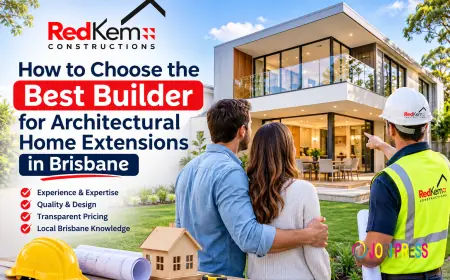

































How to Choose the Best Home Extension Builder in Brisbane
Learn how to choose the right builder for architectural home extensions in Brisbane. Explore experience, portfolio, licensing, pricing and project management tips.

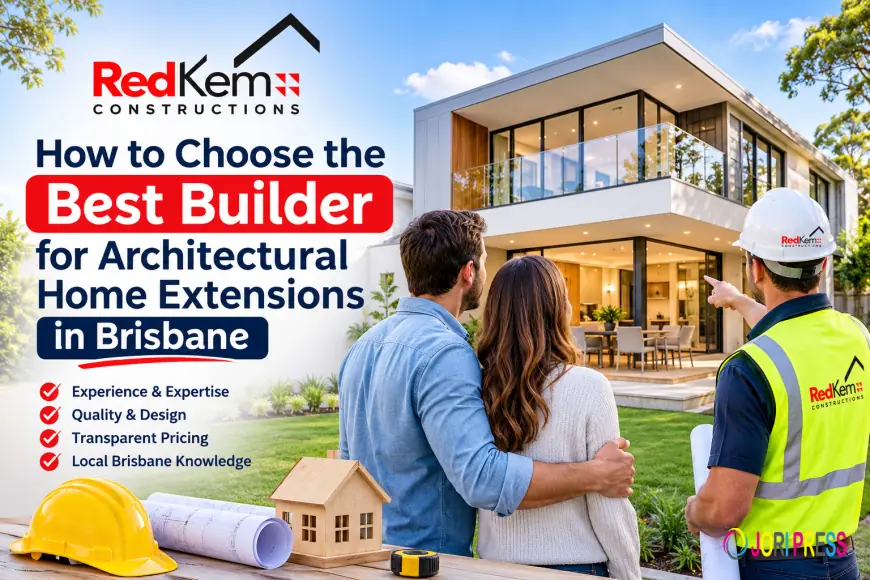
Extending your home is a practical way to create additional living space, improve functionality and make your property more suitable for your family's changing needs. For Brisbane homeowners, a thoughtfully designed home extension can transform an existing property without the need to relocate.
However, choosing the right builder is one of the most important decisions in the entire process. An experienced professional can help you manage design requirements, construction challenges, project costs and timelines while ensuring the new space complements your existing home.
If you are considering architectural home extensions in Brisbane, here are eight important factors to help you select the right building professional.
1. Choose a Builder with Home Extension Experience
Building an extension requires different expertise from constructing a new property. The builder must understand how to connect new structures with existing buildings while maintaining safety, functionality and architectural consistency.
Look for experience in:
-
Single-storey home extensions.
-
Second-storey additions.
-
Character home renovations.
-
Architectural alterations.
-
House raising and building underneath.
Ask potential builders about their previous projects, construction methods and experience with properties similar to yours.
Experience and Industry Recognition
A builder's professional experience and industry achievements can help you assess their capabilities. Industry recognition, professional qualifications and a strong project history can provide additional confidence when selecting a construction company.
RedKem Constructions brings approximately 20 years of industry experience through Jared, supported by Craig's more than 10 years of experience, including work on architectural homes in Tasmania. Their combined knowledge helps the team understand different building styles, structural requirements and homeowner expectations.
2. Consider Energy Efficiency and Sustainable Building Practices
A home extension provides an opportunity to improve more than just your available living space. It can also make your property more comfortable, energy-efficient and environmentally responsible.
For Brisbane's climate, consider important building elements such as:
-
Thermal Insulation: Appropriate insulation helps minimise heat transfer and maintain comfortable indoor temperatures.
-
Airtight Construction: Reducing unwanted air leakage can improve indoor temperature control.
-
Natural Ventilation: Well-positioned windows and openings can encourage airflow.
-
Building Orientation: Consider how sunlight affects the extension throughout the day.
-
External Shading: Suitable shading can reduce excessive heat entering your home.
Choosing a builder familiar with sustainable construction principles can help you make better decisions about materials, design and long-term home performance.
Building Comfortable and Energy-Efficient Homes
RedKem Constructions is a licensed and accredited GreenSmart Professional with knowledge of sustainable and healthy building practices. The team considers energy efficiency and construction performance when planning residential extensions and renovations.
3. Examine Previous Projects and Construction Quality
A builder's portfolio provides valuable insight into their workmanship, design capabilities and attention to detail.
When reviewing completed projects, look for:
-
Seamless integration between existing and new structures.
-
Quality finishes and building materials.
-
Functional interior layouts.
-
Well-planned natural lighting.
-
Consistent architectural styling.
-
Effective use of available space.
Try to find examples of home extensions, second-storey additions and renovations that match your expectations.
You can also ask the builder whether they have completed projects involving similar property layouts or construction challenges.
Reviewing previous work helps you understand whether the builder's experience and construction approach align with your vision.
4. Understand Their Architectural Design and Planning Approach
A successful architectural extension should complement the original home while introducing practical improvements.
Before selecting a builder, discuss how they intend to integrate the new addition with the existing structure.
Important design considerations include:
-
Rooflines and external appearance.
-
Building materials and finishes.
-
Interior layouts and room connections.
-
Natural lighting and ventilation.
-
Structural requirements.
-
Outdoor living connections.
A carefully planned extension should look and feel like a natural part of the original property rather than a separate addition.
An experienced builder can work with homeowners and relevant design professionals to develop a practical solution that balances appearance, functionality and construction requirements.
5. Verify Building Licences, Insurance and Warranties
Before signing a building contract, ensure your chosen builder holds the appropriate Queensland building licence and has suitable insurance arrangements.
You should also understand the applicable Queensland Building and Construction Commission (QBCC) requirements and home warranty protections.
Check the following:
-
Valid Queensland building licence.
-
Appropriate insurance coverage.
-
Written building contract.
-
Payment schedules and responsibilities.
-
Defect management procedures.
-
Applicable warranties and guarantees.
RedKem Constructions holds QBCC licence number 1278992.
Transparent Commitments and Building Confidence
A reliable builder should clearly explain their responsibilities throughout the construction process and after project completion.
RedKem Constructions focuses on providing homeowners with clear commitments, including:
-
Fixed-Price Contracts: Clear pricing to help homeowners understand their expected project costs.
-
24-Hour Response Guarantee: Timely responses to client enquiries and concerns.
-
Defect Rectification: A commitment to address reported defects within four weeks.
-
6.5-Year Structural Warranty: Additional assurance for structural aspects of the project.
-
12-Month Maintenance Warranty: Ongoing support following project completion.
Always review the specific contract conditions and applicable warranty terms to understand the coverage provided.
6. Compare Building Quotes and Understand Project Costs
Choosing a builder based only on the lowest quotation can lead to unexpected expenses. Instead, compare detailed proposals and understand exactly what each builder includes in their pricing.
A comprehensive building quotation should outline:
-
Labour and material costs.
-
Design and engineering expenses.
-
Site preparation requirements.
-
Construction specifications.
-
Provisional Sums and Prime Cost allowances.
-
Additional work and potential exclusions.
Understand Prime Cost Items and Provisional Sums
Prime Cost items are allowances for products that have not yet been selected, such as bathroom fixtures, tiles, taps and appliances.
Provisional Sums are estimated allowances for work where the exact scope or cost is not fully known when the contract is prepared.
If the actual costs are higher than the allowances, additional payments may be required. Ask your builder to explain these allowances before signing the agreement.
Ask About Common Construction Exclusions
Some building conditions can increase the overall project cost. Discuss possible exclusions such as:
-
Asbestos Removal: Additional work may be required if asbestos is discovered during demolition or renovation.
-
Existing Structural Damage: Termite damage, timber deterioration and hidden structural issues may require repairs.
-
Flood Requirements: Properties in flood-prone locations may need additional planning and construction measures.
-
Crane Hire: Second-storey additions and restricted-access properties may require specialised lifting equipment.
Understanding these details in advance makes it easier to compare quotations and prepare a realistic construction budget.
7. Evaluate Communication and Project Management
Home extensions involve multiple stages, from initial planning and design to construction and final handover. Good communication helps ensure that homeowners remain informed throughout the process.
Before hiring a builder, ask how they manage:
-
Regular construction updates.
-
Project schedules and milestones.
-
Design changes and variations.
-
Unexpected construction challenges.
-
Client enquiries and concerns.
-
Final inspections and defect reporting.
You should also understand who will be responsible for managing your project and how you can receive progress updates.
Reliable Communication and Project Transparency
RedKem Constructions aims to make the building experience more organised through clear communication and accessible project information.
Its 24/7 online project access helps clients stay informed about important project developments. The team's 24-hour response guarantee also supports timely communication when homeowners have questions or concerns.
Clear project management and transparent commitments can make the construction experience more straightforward and predictable.
8. Select a Builder Familiar with Brisbane Properties
Local building experience is particularly valuable when extending homes in Brisbane. Different suburbs have different property styles, site conditions, planning restrictions and construction considerations.
An experienced Brisbane builder should understand the challenges associated with:
-
Character and Heritage Overlays: Some properties have planning requirements designed to preserve traditional architectural features and neighbourhood character.
-
Flood Overlays: Flood-affected properties may require specific building levels, materials and design considerations.
-
Termite Protection: Appropriate termite management is important when connecting new construction with existing structures.
-
Queenslander Homes: Traditional Queenslander extensions require careful consideration of timber framing, stumps, verandahs, rooflines and existing structural conditions.
-
Site Access: Narrow blocks, sloping land and restricted access can affect construction methods and project costs.
Depending on your property's layout and available land, you may also consider different extension options.
House raising and building underneath can create additional usable space while retaining the original structure. Alternatively, a second-storey addition can increase your home's floor area without significantly expanding its footprint.
RedKem Constructions has experience working with Brisbane character homes, Queenslanders and complex residential extensions. This local knowledge helps homeowners explore practical options for improving their existing properties.
Final Thoughts
Choosing the best builder for architectural home extensions in Brisbane requires more than comparing prices. You should consider industry experience, construction quality, architectural knowledge, licensing, communication and local building expertise.
Take the time to review previous projects, understand building quotations and discuss your expectations before committing to a construction company.
The right builder will help you plan an extension that improves your home's functionality, complements its existing architecture and supports your family's future needs.
Ready to Extend Your Brisbane Home?
If you are planning a home extension, second-storey addition or architectural renovation, RedKem Constructions can help you explore suitable building solutions.
Contact the team on 1300 002 102 to discuss your requirements and arrange a site consultation. Take the next step towards creating a more comfortable and functional home.
Frequently Asked Questions
1. How much does an architectural home extension cost in Brisbane?
The cost depends on the extension's size, design complexity, materials, site conditions and structural requirements. Second-storey additions and architecturally detailed projects may involve additional engineering and construction expenses. Request a detailed quotation to understand the estimated investment.
2. How long does it take to complete a home extension?
Construction timeframes vary depending on the project's size, design, approvals, site preparation and building complexity. Smaller extensions may take less time, while larger architectural projects and second-storey additions can take several months. Your builder should provide an estimated construction schedule.
3. Do I need council approval for a home extension in Brisbane?
Approval requirements depend on the property's location, proposed design, zoning and applicable planning regulations. Character overlays, flood overlays and other property restrictions may affect the approval process. Consult an experienced local builder or planning professional to understand the requirements.
4. Is a second-storey addition better than a ground-floor extension?
Both options offer different advantages. A second-storey addition can increase living space without using additional ground-level land, while a ground-floor extension may provide easier access and better connections to outdoor areas. The best option depends on your block size, existing structure, budget and family requirements.
5. What should I check before hiring a Brisbane home extension builder?
Check the builder's experience, QBCC licence, insurance, previous projects, detailed quotations, contract conditions, communication process and warranty arrangements. It is also helpful to ask about their experience with properties similar to yours.
6. Can I live in my home during an extension project?
In some cases, homeowners can continue living in their property during construction. However, this depends on the scale of the work, safety requirements, access to essential facilities and the construction schedule. Discuss temporary accommodation and disruption with your builder before work begins.
What's Your Reaction?
 Like
0
 Dislike
0
 Love
0
 Funny
0
 Angry
0
 Sad
0
 Wow
0