





































Can You Get Your Money Back After Receiving a Counterfeit Bill?
You might be surprised to learn that if you unknowingly accept a fake banknote, that money is effectively gone forever. There is no secret insurance policy or government fund that swaps out fraudulent paper for real cash. Once a counterfeit bill enters your possession, the financial loss stays with you - this reality makes it vital to recognize what you are holding before a transaction concludes.
Many individuals believe a bank or the police will reimburse them if they turn in a fake note - this is a common misunderstanding. Authorities treat the person holding the counterfeit as the victim of a crime but they do not pay out for that loss. Your best defense is a sharp eye and immediate action during any cash exchange.
What Happens When You Bring a Fake Bill to a Bank?
Banks operate under strict federal guidelines regarding fraudulent currency. If you walk into a branch and present a suspicious note, the teller is legally required to confiscate it. They will not give you a real bill in exchange. They fill out a report and send the fake money to the Secret Service for investigation.
This process can feel like you are being punished for being a victim. Banks are part of the first line of defense against inflation and currency manipulation. You can learn more about counterfeits money trends to see why institutions take these steps so seriously. The bank provides you with a receipt for the note but that receipt has no monetary value.
The Reality of Handling Counterfeits in Stores
Cashiers are often the most frequent checkers of your cash. If a clerk identifies your money as fake, they have the right to refuse the transaction. Some businesses have policies to keep the bill and call local law enforcement. You are then stuck without your goods and without the cash you thought you had.
- Retailers use UV lights to check security threads.
- Clerks often look for color shifting ink on the bottom right corner.
- Many stores use chemical pens, though these are sometimes unreliable.
If you suspect you have received a fake, do not try to spend it. Passing counterfeit currency is a serious felony, even if you did not make the bill yourself. If you are worried about the quality of cash you see in films or plays, you can research the most realistic prop money that's actually legal to see how real artists stay within the law.
How to Identify Genuine Currency from Fakes
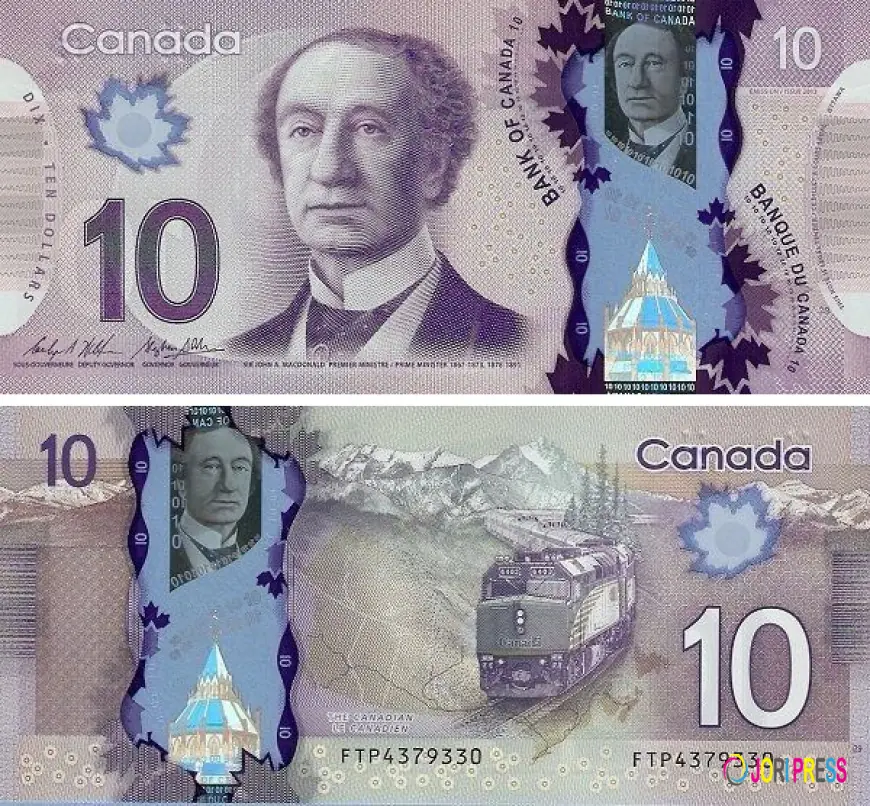
Modern banknotes are masterpieces of engineering designed to be difficult to copy. You should feel the paper first - real bills have a distinct raised texture because of the printing process. Genuine money is made of cotton and linen, giving it a crisp feel that regular paper lacks. Check the watermark - holding the bill up to a light source to see the hidden portrait.
Criminals are constantly trying to bypass the features - Some create undetectable counterfeit banknotes that can fool an untrained eye. You must look for the security thread that glows a specific color under ultraviolet light. On a hundred dollar bill, this thread glows pink.
Legal Obligations for Handling Suspect Notes
When you find yourself with a fake bill, the law expects specific behavior. You are supposed to contact the local police department or the nearest Secret Service field office. You should handle the bill as little as possible to preserve any fingerprints that might be on the surface. Place the note in a protective cover like a plastic bag or an envelope.
Writing your initials and the date on the border of the note helps investigators track the chain of custody. Provide a description of the person who gave you the money if you remember them. While this helps the law, remember that it does not result in a refund for you.
Protecting Your Cash Transactions
The safest way to avoid this problem is to verify every bill the moment it hits your hand - this is especially important during private sales, like selling a used car or furniture to a stranger. You should never feel pressured to rush through a cash count. If a bill feels "off" or looks blurry, ask for a different one or suggest a digital payment.
- Compare a suspect bill with a known genuine one of the same denomination.
- Look for microprinting around the portrait and borders.
- Check for the 3D Security Ribbon on newer high value notes.
Understanding the difference between older designs and new security features is helpful. You can find detailed guides on how to tell if a 100 bill is fake to stay updated. Being informed is your only real protection against losing your hard earned value to a scam.
FAQ
Will my insurance cover a counterfeit bill?
Many standard homeowners or renters insurance policies do not cover the loss of small amounts of cash because of counterfeiting. Some high end business insurance plans might have specific riders for this but for most individuals, the loss is total.
Can I get a tax deduction for the lost money?
In many regions, you cannot claim a counterfeit bill as a casualty loss on your taxes. Tax laws regarding theft and fraud are strict and often require a specific threshold that a single small bill does not meet.
What if I received the fake bill from an ATM?
This is extremely rare because ATMs have advanced sensors - However, if it happens, stay at the machine, hold the bill up to the security camera and call the bank's emergency number immediately. Do not leave the area until you have a record of the incident.
Is it a crime to own a fake bill?
It is not a crime to possess a counterfeit bill if you have no intent to defraud anyone. The crime occurs when you try to use that bill to pay for goods or services. Once you know it is fake, you must stop using it.
What's Your Reaction?
 Like
0
 Dislike
0
 Love
0
 Funny
0
 Angry
0
 Sad
0
 Wow
0