






































How Motorcycle Design Affects Comfort on Indian Roads
Seat height, riding posture, weight and suspension can affect motorcycle comfort more than engine size. Learn how to compare these factors before choosing a bike.
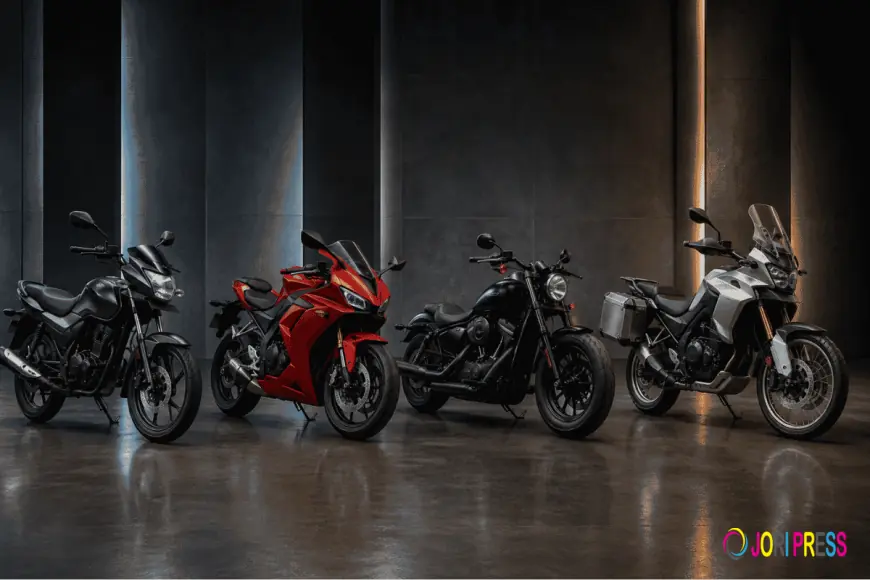
Motorcycle buyers often begin by comparing engine capacity, mileage and price. These details matter, but they do not explain whether a bike will remain comfortable during everyday travel.
Seat height, handlebar position, footrest placement, suspension and weight distribution affect how a motorcycle feels. Two bikes with similar engines can provide completely different experiences because they were created for different purposes.
Understanding these design differences can help riders choose a motorcycle that suits their body, roads and routine.
Why Riding Posture Matters
Riding posture affects the rider’s wrists, shoulders, back, hips and knees. An uncomfortable position may not cause trouble during a short test ride, but it can become tiring after travelling through traffic or spending several hours on a highway.
Motorcycles generally use upright, forward-leaning or relaxed ergonomics. Each posture provides particular advantages and compromises.
The correct position depends on the rider’s body and intended use rather than appearance alone.
Commuter Bikes and Upright Comfort
Commuter motorcycles generally place the handlebars within easy reach and keep the footrests below the rider. This creates a natural, upright posture.
The position provides useful visibility in traffic and reduces pressure on the wrists. Lightweight construction can also make commuter bikes easy to control while parking or navigating narrow streets.
Their seats are usually designed for practical everyday travel. However, smaller commuters may provide limited wind protection and highway performance during extended journeys.
Street Bikes and Balanced Ergonomics
Street or naked motorcycles combine sporty handling with comparatively comfortable ergonomics.
The rider normally sits upright but slightly forward, creating a balance between control and everyday usability. This can make street bikes suitable for city commuting and occasional highway trips.
Minimal bodywork means less protection from wind at high speeds. Riders who frequently travel on highways may consider adding a suitable windscreen where permitted.
Sports Bikes and Forward-Leaning Posture
Sports motorcycles position the rider closer to the fuel tank. Low handlebars and high footrests support aerodynamic efficiency and performance-oriented control.
This posture can place additional pressure on the wrists, neck and back during slow traffic. Riders using a sports bike every day should evaluate whether the position remains comfortable throughout their normal journey.
An entry-level sports motorcycle may have less aggressive ergonomics than a high-performance model, so individual bikes should be tested rather than judging the entire category in the same way.
Cruiser Bikes and Low Seats
Cruiser motorcycles use low seats, broad handlebars and forward-positioned foot controls. Their relaxed appearance can be appealing for steady highway travel.
The low seat makes it easier for many riders to place both feet securely on the ground. However, some cruisers are heavy and require effort while reversing or making tight turns.
A low seat does not automatically make a motorcycle beginner-friendly. Overall weight and balance remain important.
Touring Bikes and Long-Distance Support
Touring motorcycles are developed to reduce fatigue over long journeys. They may include wide seats, windscreens, relaxed handlebars and luggage capacity.
Wind protection can reduce pressure on the rider at highway speeds. A supportive seat and well-positioned controls can also improve comfort during extended travel.
These benefits come with additional size and weight. Touring motorcycles may feel inconvenient in crowded city conditions.
Adventure Bikes and Tall Ergonomics
Adventure motorcycles provide upright seating, wide handlebars and increased ground clearance. Their suspension is designed to handle broken roads and mild off-road conditions.
The riding position offers good visibility, and the rider can sometimes stand on the footrests while crossing difficult surfaces.
Seat height is the main concern. Shorter riders may struggle to support a tall adventure motorcycle when stopping on uneven roads. Some models offer adjustable suspension or lower-seat options.
Suspension Changes the Riding Experience
Suspension determines how the motorcycle responds to bumps, corners and changes in road surface.
Soft suspension can improve comfort over damaged roads but may feel less precise during faster cornering. Firm sports suspension provides greater control during performance riding but can transmit more road imperfections to the rider.
Consider the surfaces you travel regularly. Suspension designed for smooth roads may feel uncomfortable on damaged urban routes.
Motorcycle Weight and Low-Speed Control
Motorcycle weight is less noticeable once the bike is moving. It becomes more important during parking, U-turns and stop-and-go traffic.
A heavy motorcycle may feel stable on highways but demanding in narrow spaces. Weight distribution also matters—a well-balanced motorcycle can sometimes feel easier to manage than a lighter model with a high centre of gravity.
Test the motorcycle at low speed instead of evaluating it only while stationary.
Conduct a Meaningful Comfort Test
Before purchasing a motorcycle, check whether:
-
Your arms remain relaxed while reaching the handlebars
-
Your knees are comfortably positioned
-
You can reach the brake and clutch levers
-
You can support the motorcycle when stopped
-
Its weight feels manageable while parking
-
The seat remains comfortable
-
The pillion position suits your passenger’s needs
A longer test ride is more informative than a quick trip around the dealership.
Select Comfort According to Your Routine
The best riding posture depends on how the motorcycle will be used. A daily commuter may value lightweight handling and upright ergonomics. A frequent traveller may need wind protection and a supportive touring seat. An adventure rider may prioritise suspension travel and ground clearance.
Explore the different types of bikes in India to understand how each motorcycle category balances comfort, performance and practicality.
The right motorcycle should feel natural during the journeys you make most often. Comfort may not be the most exciting specification, but it can become one of the most important parts of long-term ownership.
What's Your Reaction?
 Like
0
Like
0
 Dislike
0
Dislike
0
 Love
0
Love
0
 Funny
0
Funny
0
 Angry
0
Angry
0
 Sad
0
Sad
0
 Wow
0
Wow
0