







































How Intelligent Automation is Rebuilding Logistics Operations for the Future
Discover how intelligent automation, AI, and IoT are rebuilding modern logistics operations. Learn how supply chains are cutting costs and overcoming disruptions.
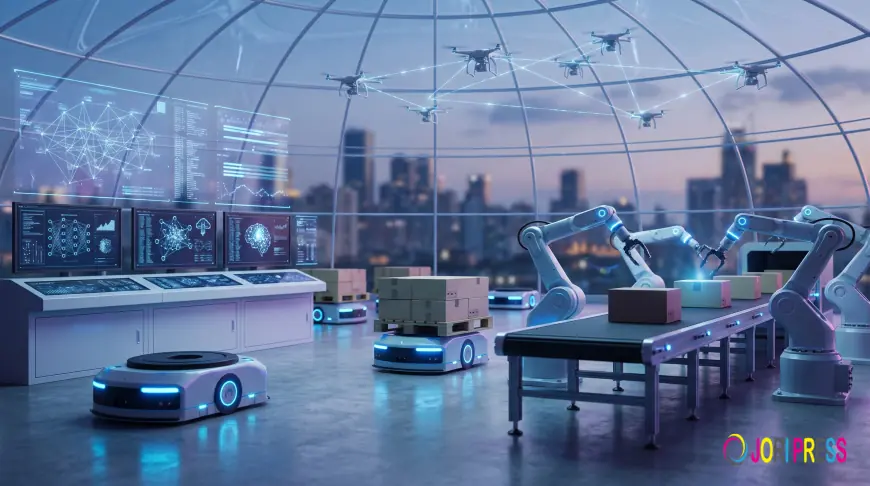
The global supply chain has faced unprecedented pressures in recent years, forcing businesses to rethink how goods are transported, stored, and delivered. The era of manual tracking and disjointed communication is rapidly fading, making way for a new paradigm centered on technological innovation. At the heart of this transformation is intelligent automation—a powerful synthesis of artificial intelligence, machine learning, and advanced robotics that is entirely reshaping how supply chains operate. In fact, many industry leaders are now relying on solutions designed by tech innovators like
The Urgent Need for a Logistics Rebuild
For decades, the logistics industry relied heavily on human intervention and legacy software systems that operated in isolated silos. However, the modern consumer expects faster deliveries, complete transparency, and flawless accuracy. E-commerce booms, global geopolitical shifts, and changing trade regulations have exposed the critical vulnerabilities of these traditional setups. When unexpected bottlenecks occur—such as port closures, driver shortages, or severe weather events—manual systems simply cannot adapt fast enough, leading to massive financial losses and damaged brand reputations.
To survive in this high-stakes environment, logistics providers must transition from reactive to proactive operations. This fundamental shift requires tearing down old digital infrastructure and rebuilding it with intelligent automation at its core. By doing so, logistics companies are not merely applying a temporary patch to their supply chains; they are establishing a resilient, flexible foundation capable of withstanding the unpredictable demands of the 21st-century global market.
Overcoming Supply Chain Disruptions
One of the primary drivers behind this tech adoption is the urgent need to mitigate disruptions. Intelligent automation systems continuously monitor global events and supply chain metrics in real time. When a potential delay is detected, the system does not wait for human approval to act. It instantly evaluates alternative routes, assesses inventory levels across various warehouses, and automatically redirects resources to ensure that the final delivery remains on schedule.
Core Technologies Driving Intelligent Automation
Intelligent automation is not a single tool but rather an ecosystem of interconnected technologies working in perfect harmony to drive supply chain efficiency.
Artificial Intelligence and Machine Learning
Artificial Intelligence (AI) and Machine Learning (ML) act as the "brains" of the automated logistics network. These technologies analyze massive volumes of historical and real-time data to identify patterns that humans would easily miss. For example, ML algorithms can accurately predict seasonal demand spikes, allowing companies to position inventory closer to the end consumer before the rush even begins. Furthermore, AI-powered dynamic routing algorithms can adjust delivery paths on the fly, calculating the most fuel-efficient and time-saving routes based on current traffic and weather conditions.
Robotic Process Automation (RPA)
While AI handles complex decision-making, Robotic Process Automation (RPA) manages the repetitive, rule-based tasks that often bog down administrative staff. RPA software bots can automatically generate invoices, process order entries, schedule shipments, and update inventory records across multiple platforms without human error. By eliminating basic data entry mistakes and speeding up administrative workflows, RPA allows human employees to focus on higher-level strategic planning.
Internet of Things (IoT) Tracking
The Internet of Things (IoT) acts as the sensory system for logistics automation. Smart sensors attached to shipping containers, pallets, and delivery vehicles transmit real-time data regarding location, temperature, humidity, and shock exposure. This continuous stream of data feeds directly into the AI systems, ensuring that sensitive goods—such as pharmaceuticals or perishable foods—are kept in optimal conditions throughout their journey.
Key Benefits of Intelligent Automation in Logistics
The integration of these advanced technologies provides a multitude of tangible benefits that directly impact a company’s bottom line and operational capabilities.
Cost Reduction and Efficiency
One of the most immediate advantages of intelligent automation is a significant reduction in operational costs. Automated route optimization drastically cuts down fuel consumption and vehicle wear-and-tear. Furthermore, predictive maintenance algorithms monitor the health of warehouse machinery and delivery fleets, scheduling necessary repairs before expensive breakdowns occur.
Enhanced Predictive Capabilities
Historically, logistics operations operated in the dark, relying on gut feelings and outdated monthly reports. Today, predictive analytics allows businesses to forecast inventory requirements with pinpoint accuracy, preventing both stockouts and overstock scenarios. This predictive power also extends to proactive risk management.
Improved Customer Satisfaction
In today’s fast-paced digital economy, customer satisfaction is inextricably linked to logistics performance. Intelligent automation ensures higher order accuracy and faster delivery times. More importantly, it provides consumers with granular, real-time tracking information. When customers know exactly where their package is and when it will arrive, their trust in the brand increases.
Challenges in Implementation
Despite the overwhelming benefits, the transition to intelligent automation is not without its hurdles. Integrating new AI and IoT systems with legacy software can be technically complex and resource-intensive. There is also a significant initial capital investment required for software licensing, hardware upgrades, and employee training. Furthermore, as logistics networks become increasingly digital, they become more vulnerable to cyberattacks. Companies must invest heavily in robust cybersecurity measures to protect sensitive operational and customer data. Finally, overcoming resistance to change within the workforce requires transparent communication and a commitment to upskilling employees to work alongside these new technologies.
Looking Ahead: The Future of Automated Logistics
As technology continues to evolve, the logistics industry will see even greater integration of intelligent automation. We are fast approaching an era where autonomous delivery vehicles and automated warehouse drones will work seamlessly alongside human operators. The integration of blockchain technology may further enhance transparency, providing immutable records of every transaction and movement within the supply chain. Ultimately, the companies that embrace these technological shifts today will be the market leaders of tomorrow, equipped with agile, self-optimizing networks.
Conclusion
The rebuilding of logistics operations through intelligent automation is no longer a futuristic concept; it is an immediate industry necessity. By leveraging the power of Artificial Intelligence, Machine Learning, RPA, and the Internet of Things, logistics providers are transforming fragmented, error-prone supply chains into highly efficient, resilient networks. While the path to digital transformation involves challenges such as high upfront costs and integration complexities, the long-term benefits of cost reduction, operational agility, and enhanced customer satisfaction far outweigh the risks. As the global marketplace continues to demand faster and more reliable services, intelligent automation will remain the absolute cornerstone of sustainable logistics success.
What's Your Reaction?
 Like
0
Like
0
 Dislike
0
Dislike
0
 Love
0
Love
0
 Funny
0
Funny
0
 Angry
0
Angry
0
 Sad
0
Sad
0
 Wow
0
Wow
0