



































From Commitments to Action: Turning the Tide on Uganda’s Agrifood Systems at NAAS 2026

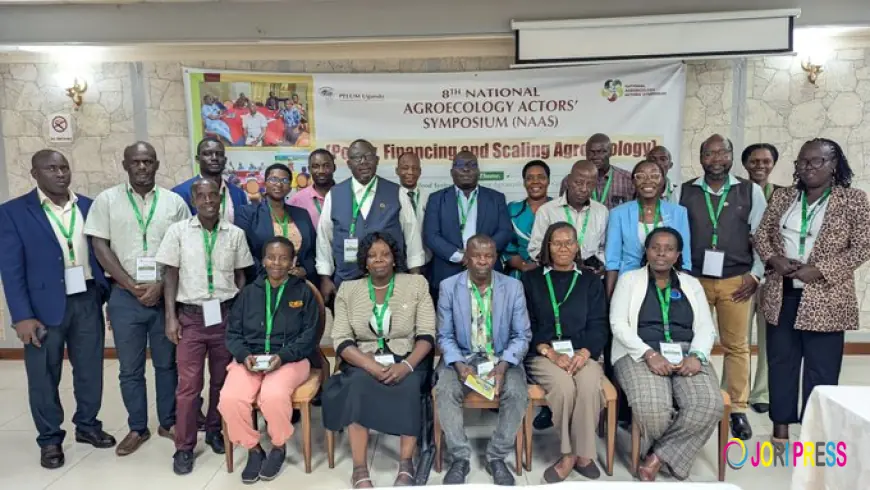
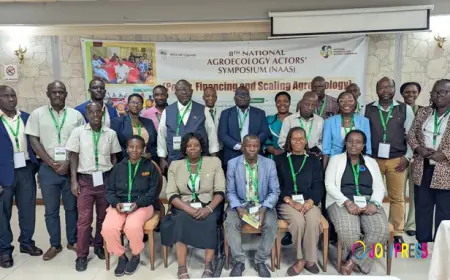
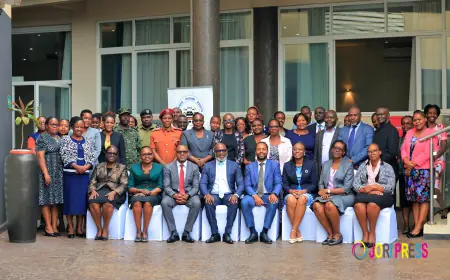
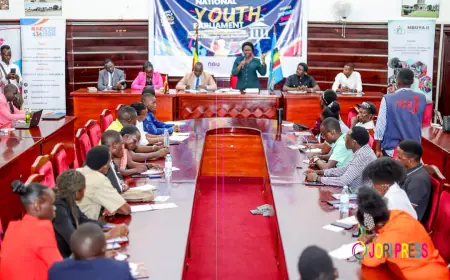
KAMPALA, Uganda — The conversation surrounding the future of sustainable agriculture in Uganda shifted gears from rhetoric to tangible implementation during Side Event 4 of the 8th National Agroecology Actors’ Symposium (NAAS 2026). Centered on the critical question of how to turn the country’s high-level agrifood commitments into practical reality, the session put forward a clear message: transformation requires more than promises—it requires robust financing, legislative backing, and deep cross-sector collaboration.
Bridging Policy Gaps Under the Kampala CAADP Framework
Delegates and stakeholders gathered to map out strategies for executing Uganda's agrifood transformation under the Kampala Comprehensive African Agricultural Development Programme (CAADP) Framework. The discussions focused heavily on identifying and fixing institutional and policy gaps that often stall national initiatives before they reach rural communities.
To ensure national priorities successfully translate into local government action, panelists outlined a multi-pronged approach:
• Mobilizing diverse capital: Structuring frameworks to unlock both public and private sector financing.
• Cross-sector coordination: Breaking down bureaucratic silos to align ministries, civil society, and local leaders.
• Localizing implementation: Equipping local governments with the tools and mandates needed to roll out agroecological policies effectively.
A Broad Scope for True Transformation
Transitioning to sustainable food systems requires addressing the entire agricultural value chain. Side Event 4 highlighted several interlocking focus areas essential for structural change:
• Quality Assurance & Markets: Shifting the narrative away from heavy-handed policing toward farmer education regarding standards and certification.
• Resource Management: Ensuring the distribution and availability of high-quality seeds alongside eco-friendly pest, vector, and disease management.
• Diversification & Scale: Integrating fisheries, aquaculture, and strategic partnerships with large-scale commercial farmers to scale agroecological practices.
• Grassroots Capacity: Expanding agricultural extension services and farmer education to drive adoption from the ground up.
The Legislative Push: The Agroecological and Organic Bill
A major highlight of the closing session was a passionate call to action by Betty Aguti from Caritas Uganda. Reminding attendees that food safety, contamination, and quality affect every citizen daily, Aguti urged the government to fast-track the passage of the Agroecological and Organic Bill.
"The conversation about agroecology does not end in the fields," organizers noted, echoing her sentiments. "It begins with what we grow, what we eat, and how we protect the food systems that sustain us." The passage of this bill is viewed by many actors as the necessary legal bedrock to solve persistent food safety issues and regulate organic markets safely.
A Message from the Future
The symposium also featured a powerful cultural interlude that stole the spotlight. A group of young children took the stage to recite a poignant poem titled "Protect Our Environment." The performance served as a stark reminder to policy makers and international delegates that the choices made during NAAS 2026 directly impact the next generation.
As the event concluded, the underlying consensus was clear: Uganda has the blueprints and the frameworks in place. The next step is maintaining the momentum of the Agroecology Week of Action to turn those frameworks into funded, legally backed, and community-led realities.
What's Your Reaction?
 Like
0
 Dislike
0
 Love
0
 Funny
0
 Angry
0
 Sad
0
 Wow
0