











































Fresh Cat Food vs. Dry Cat Food: Which Is Better for Your Cat?
Compare fresh and dry cat food, including moisture, nutrition, convenience, storage, and cost, to choose a suitable diet for your cat.

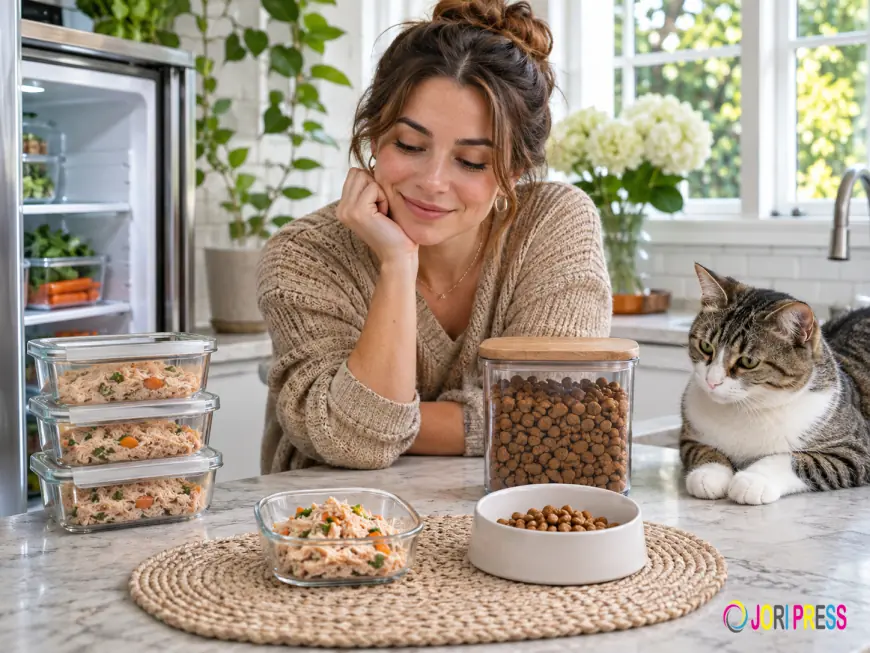
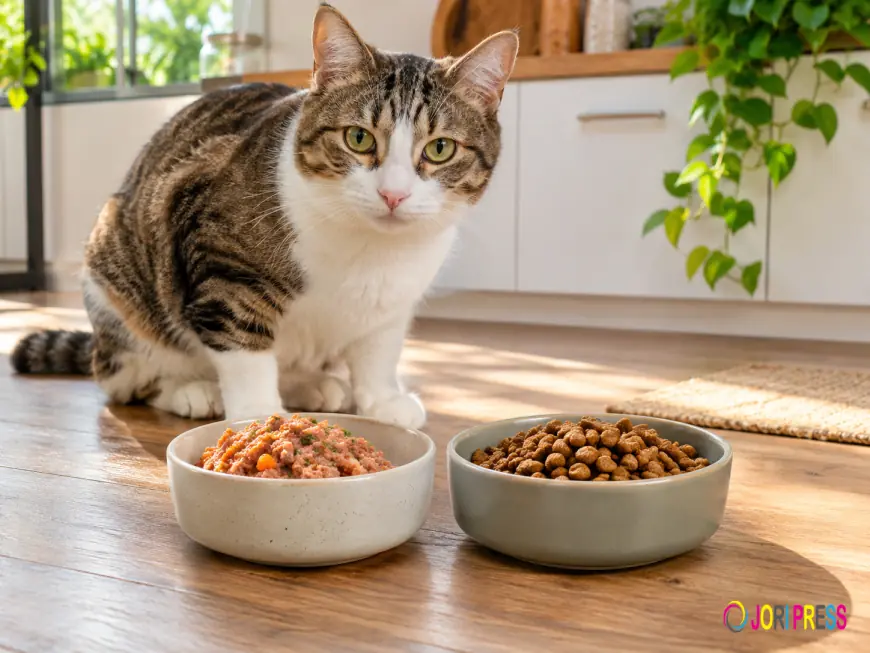
Choosing the right food for a cat can feel confusing, especially when pet stores offer so many different options. Some owners prefer fresh meals made with recognizable ingredients, while others choose dry kibble because it is convenient, easy to serve, and often more affordable. Both options can fit into a cat's feeding routine, but they differ in moisture content, storage requirements, feeding habits, and nutritional composition.
When comparing fresh cat food vs. dry cat food, the most important question is not which type is automatically better. It is whether the food provides complete nutrition and suits your cat's age, health, preferences, and daily needs.
Understanding Fresh Cat Food
Fresh cat food generally refers to meals prepared with recognizable ingredients and sold refrigerated or frozen. Depending on the brand and recipe, these meals may contain animal proteins, vegetables, vitamins, minerals, and other ingredients selected to meet feline nutritional requirements.
Many fresh-food products are cooked before being chilled or frozen. However, not every product marketed as fresh is prepared in the same way, so owners should check the label and preparation instructions.
One reason cat owners consider fresh meals is their texture and moisture content. These foods may resemble traditional home-prepared meals more closely than dry kibble. Some cats also find their smell and texture appealing.
However, fresh does not automatically mean nutritionally complete. A product should clearly state whether it is formulated to provide complete and balanced nutrition for the appropriate life stage. Treats, toppers, and complementary foods should not replace a complete diet unless a veterinarian recommends a suitable feeding plan.
What Makes Dry Cat Food Different?
Dry cat food, commonly called kibble, is produced by combining ingredients into small pieces and processing them into a shelf-stable product. It is widely available in different recipes for kittens, adult cats, and cats with specific dietary needs.
One major advantage of dry food is convenience. Owners can measure portions quickly, store unopened bags without refrigeration, and carry food when traveling. Dry kibble can also work well with automatic feeders, which may help households maintain consistent meal schedules.
However, dry food contains much less moisture than most fresh or wet foods. Cats that eat primarily kibble should always have access to clean drinking water. Some owners encourage water intake by providing multiple water bowls or a pet fountain.
Dry food is not automatically less nutritious than fresh food. Its nutritional value depends on the ingredients, formulation, quality controls, and whether it meets the nutritional needs of the cat.
Fresh Cat Food vs. Dry Cat Food: Main Differences
1. Moisture Content
Moisture is one of the clearest differences between these food types. Fresh meals generally contain more water than dry kibble, while dry food has a much lower moisture level.
This difference can matter because cats naturally have a relatively low thirst drive compared with some other animals. Food can contribute to their overall water intake, although fresh food does not remove the need for drinking water.
Cats eating mostly dry food should have several opportunities to drink throughout the day. If your cat rarely drinks, discuss hydration and diet options with a veterinarian rather than making a sudden dietary change.
2. Nutritional Balance
A healthy cat needs an appropriate balance of protein, fats, vitamins, minerals, and other essential nutrients. Cats are obligate carnivores, so animal-based nutrients play an important role in their diet.
Fresh and dry foods can both provide these nutrients when properly formulated. The important detail is the nutritional adequacy statement on the label.
Look for a statement indicating that the food is complete and balanced for your cat's life stage. A product intended only for supplemental feeding should not be treated as a complete everyday meal.
Owners researching ingredients can also review this Smalls Cat Food ingredients guide to understand what to examine when comparing commercial recipes.
3. Taste and Texture
Cats can be particular about what they eat. Some prefer the crunchy texture of kibble, while others enjoy softer meals with a stronger aroma.
Fresh food may appeal to cats that prefer moist textures, but individual preferences vary. A cat that has eaten the same kibble for years may not immediately accept a new meal.
When introducing a different food, gradual transitions are generally more practical than changing the entire diet overnight. A slow transition can help owners observe whether the cat accepts the new texture and whether digestive problems appear.
4. Convenience for Everyday Feeding
Dry kibble is usually easier to manage for busy households. It can be measured in advance, stored in a suitable location, and served without thawing or refrigeration.
Fresh food requires more attention. Some products need freezer storage before use, refrigerator space after thawing, and careful portion management. Owners should follow the manufacturer's instructions for thawing, serving, and storing leftovers.
For independent pet-food sellers, practical custom printed food boxes may also be relevant when organizing food products for retail or delivery, although the feeding choice itself should always depend on the cat's nutritional needs.
5. Cost and Feeding Budget
Dry cat food is often less expensive per serving than fresh meals, although prices vary considerably by brand, ingredients, and product size.
Fresh meals may cost more because of their ingredients, preparation, storage, and delivery requirements. The actual monthly expense depends on your cat's weight, calorie needs, portion size, and feeding frequency.
Instead of comparing only the price of a bag or meal pack, calculate the daily cost. Check the recommended feeding amount and compare products that provide similar nutritional value.
Also remember to account for food that may go unused. Fresh meals that are not stored or served according to instructions can become waste, while buying an oversized kibble bag may also be impractical if your cat eats slowly.
Can Cats Eat Both Fresh and Dry Food?
Some cats can eat a combination of fresh and dry food. This approach may offer flexibility to owners who want to include different textures in their cat's routine.
However, combining foods requires attention to total calories and nutritional balance. Adding fresh food on top of a full kibble portion can lead to overfeeding if the original serving is not adjusted.
A mixed feeding routine should account for the calories from every meal, treat, and topper. It is also important to confirm that the main diet remains complete and balanced.
If your cat has kidney disease, diabetes, urinary problems, food allergies, or another medical condition, ask a veterinarian before changing the feeding routine. Some conditions require specific nutrient levels or feeding strategies.
How to Choose the Right Food for Your Cat
There is no single food type that suits every cat. A useful decision starts with your cat's individual requirements.
Consider these factors before choosing:
-
Age: Kittens, adult cats, and senior cats can have different nutritional requirements.
-
Health: Existing medical conditions may affect which nutrients or food textures are appropriate.
-
Activity level: Indoor and outdoor cats may have different calorie requirements depending on their activity.
-
Preferences: A nutritionally complete food is only useful if your cat will actually eat it.
-
Budget: Choose an option you can provide consistently without compromising nutritional quality.
-
Storage: Make sure you can follow the product's storage and serving instructions.
Read the ingredient list and nutritional adequacy statement rather than relying only on front-label claims. If you are unsure how much to feed, use the manufacturer's feeding guide as a starting point and ask your veterinarian whether the amount is appropriate for your cat.
Safe Storage and Handling Matter
Fresh and dry cat food require different storage routines. Fresh meals that need refrigeration should be kept cold and handled according to the manufacturer's directions. Leftovers should be promptly refrigerated or discarded as instructed.
Dry food should be kept in a cool, dry place. The FDA recommends keeping it in its original bag, with the top tightly folded, and protecting it from excess heat and moisture. Keeping the original product information available can also help if you need to check a lot number or expiration date.
Wash food bowls, scoops, and utensils regularly. Clean handling habits are important regardless of which type of food you choose.
Raw pet food deserves additional caution. The FDA warns that raw diets can carry harmful bacteria, including Salmonella and Listeria. Raw food should not be assumed to be safer or healthier simply because it is less processed.
Common Mistakes Cat Owners Should Avoid
A few common mistakes can make feeding more difficult than necessary:
-
Choosing food based only on marketing: Words such as fresh, natural, or premium do not prove that a recipe is nutritionally complete.
-
Ignoring serving sizes: Even good-quality food can contribute to weight gain when portions are too large.
-
Changing diets suddenly: A gradual transition can make it easier to monitor acceptance and digestive tolerance.
-
Forgetting water: Cats need access to clean drinking water every day, regardless of their food type.
-
Ignoring storage directions: Different products have different refrigeration, freezing, and shelf-life requirements.
-
Overlooking life-stage needs: A food suitable for an adult cat may not meet the needs of a growing kitten.
Final Thoughts
Fresh cat food and dry cat food can both be suitable choices when they provide complete and balanced nutrition for the cat's life stage. Fresh meals generally offer more moisture and may appeal to cats that prefer softer textures, while dry kibble provides convenience, easy portioning, and often a lower feeding cost.
The best choice depends on your cat's health, preferences, nutritional requirements, and your ability to follow the product's feeding and storage instructions. Compare labels carefully, introduce dietary changes gradually, and consult a veterinarian when your cat has special nutritional needs. A consistent, balanced feeding routine matters more than choosing a food simply because it is fresh or dry.
What's Your Reaction?
 Like
0
 Dislike
0
 Love
0
 Funny
0
 Angry
0
 Sad
0
 Wow
0