











































What Makes Moringa Powder a Popular Natural Superfood?
Find out why moringa powder is called a natural superfood, including its nutrients, plant compounds, everyday uses, product quality, and safety considerations.

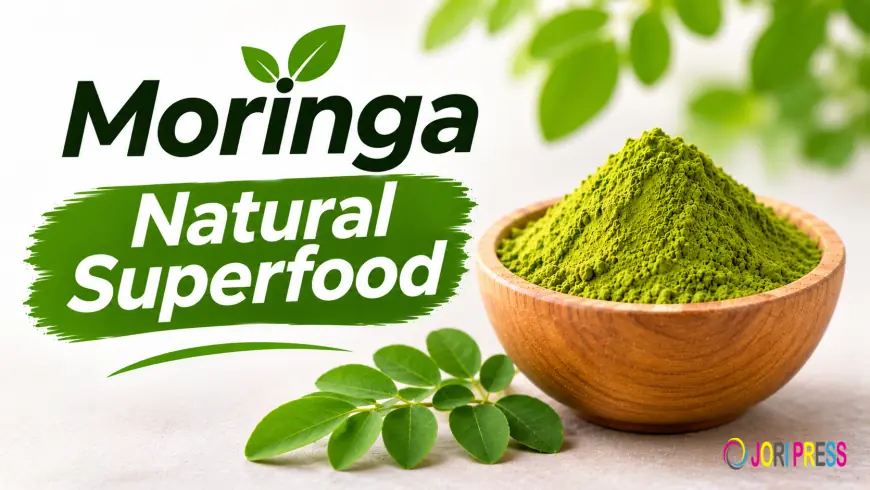
Moringa powder has gained attention among people interested in plant-based nutrition and everyday wellness. Often described as a natural superfood, it is made by drying and grinding the leaves of the moringa tree. Its popularity comes from its nutrient content, versatility, and long history of use as a food ingredient in different parts of the world.
The term superfood is commonly used in food marketing to describe ingredients that contain notable amounts of nutrients or beneficial plant compounds. However, it is not a formal medical or nutritional category. No single food can provide everything the body needs. Understanding the nutritional qualities of moringa powder can help explain why it is popular while keeping expectations realistic.
What Is Moringa?
Moringa, scientifically known as Moringa oleifera, is a tree that grows in tropical and subtropical climates. It is sometimes called the drumstick tree because of its long seed pods.
Different parts of the plant are used in traditional food practices, including its leaves, pods, and seeds. Moringa leaf powder is made by drying the leaves and grinding them into a fine powder.
The leaves are valued for containing plant-based nutrients, including certain vitamins, minerals, protein, fibre, and naturally occurring plant compounds. The nutritional profile varies depending on the plant's growing conditions and how the leaves are processed.
Why Is Moringa Powder Called a Superfood?
1. It Contains Several Nutrients
Moringa leaves contain a range of nutrients that contribute to normal body functions. These may include calcium, potassium, iron, and vitamins or vitamin precursors.
The body uses these nutrients for many everyday processes. Calcium contributes to normal bone and tooth health, potassium supports normal muscle and nerve function, and iron is involved in oxygen transport.
However, the quantity supplied by moringa powder depends on the product and the amount consumed. It should not be assumed to provide enough of any nutrient to meet an individual's daily requirements.
2. It Contains Plant-Based Protein
Moringa leaves contain protein, which is needed for tissue maintenance, growth, and many other functions.
Although moringa powder can contribute some plant protein, a normal serving is unlikely to replace major protein sources such as lentils, beans, dairy, eggs, tofu, or other suitable foods.
People following vegetarian or vegan diets should include a variety of protein-rich foods to meet their nutritional needs.
3. It Provides Dietary Fibre
Fibre is an important part of a balanced diet because it supports digestive health and normal bowel function.
Moringa leaf powder contains some dietary fibre. However, foods such as beans, lentils, oats, vegetables, fruits, and whole grains are also important sources.
Using moringa powder alongside these foods can contribute to dietary variety, but it should not become the main source of fibre.
4. It Contains Antioxidant Plant Compounds
Moringa leaves contain naturally occurring compounds such as polyphenols and flavonoids. Some of these compounds have antioxidant activity.
Antioxidants help protect cells against oxidative damage. This is one reason moringa has attracted scientific interest.
Researchers have investigated moringa extracts in laboratory and experimental studies. However, such findings do not establish that consuming moringa powder prevents disease or produces a particular health outcome in humans.
5. It Is Easy to Add to Different Recipes
Convenience is another reason moringa powder has become popular. Unlike some fresh ingredients, a properly packaged powder can be stored and added to a variety of meals.
It can be mixed into smoothies, soups, vegetable dishes, sauces, and selected baked recipes. Its earthy flavour makes it suitable for combinations with lemon, ginger, banana, and herbs.
This versatility allows people to experiment with plant-based ingredients without needing to prepare fresh moringa leaves.
Moringa Powder Compared With Other Green Foods
Moringa powder is sometimes compared with spinach powder, wheatgrass powder, and other green food ingredients. Each has a different nutritional composition and flavour.
Fresh spinach provides water, fibre, and a range of vitamins and minerals. Broccoli contributes fibre and several micronutrients. Other leafy greens provide their own combinations of plant compounds.
Moringa powder should not be considered automatically better than these foods. The best approach is to eat different vegetables and leafy greens rather than relying on one ingredient.
Powders are also different from fresh vegetables in terms of water content, processing, concentration, and serving size. Comparing them requires looking at actual nutritional information rather than marketing labels.
How to Use Moringa Powder?
There are several practical ways to include moringa powder in everyday meals.
Smoothies: Mix it with fruit, yoghurt, or a plant-based drink.
Soups: Stir it into a vegetable or lentil soup.
Savoury yoghurt: Combine it with plain yoghurt, herbs, and lemon.
Vegetable dishes: Add a small amount to selected cooked vegetable recipes.
Homemade snacks: Experiment with small quantities in savoury batters or other recipes.
Because the taste can be strong, begin with a small amount according to the product label. You can adjust the recipe based on flavour and personal tolerance.
What to Look for When Buying Moringa Powder?
Not all moringa powder products have the same quality. Growing conditions, harvesting, drying, storage, and processing can influence the final product.
Consider the following points:
-
Check that the product clearly states it contains moringa leaf powder.
-
Look for information about sourcing and processing.
-
Choose sealed packaging that protects against moisture.
-
Review the expiry date and storage guidance.
-
Look for credible testing for heavy metals, pesticides, and microbial contamination.
-
Be cautious of exaggerated claims about disease treatment or guaranteed results.
A product being labelled natural or organic does not automatically prove that it is free from contaminants.
Is Moringa Powder Safe for Everyone?
Moringa leaf powder is used as a food ingredient, but concentrated supplements may not be appropriate for everyone.
People taking medication for blood sugar or blood pressure should seek professional advice before using concentrated moringa products. Pregnant or breastfeeding women should also consult a healthcare professional before using supplements.
It is important to distinguish leaf powder from products made using other parts of the plant. Different plant parts may have different safety considerations.
If you have a medical condition, take regular medication, or experience an unexpected reaction, seek guidance from a qualified healthcare professional.
The Importance of Realistic Expectations
Calling moringa powder a superfood can create the impression that it has extraordinary health effects. In reality, its strongest practical value is as a nutrient-containing plant ingredient that can complement a balanced diet.
It should not be promoted as a guaranteed way to lose weight, control blood sugar, cure inflammation, prevent disease, or replace prescribed medicines.
Long-term health depends on a combination of nutrition, physical activity, sleep, stress management, and preventive care. Moringa powder can be one small part of that bigger picture.
Conclusion
Moringa powder is popular because it combines plant-based nutrients, fibre, and naturally occurring antioxidant compounds in a convenient form. Its versatility makes it easy to add to everyday recipes. However, the superfood label should not create unrealistic expectations. Use moringa as one ingredient in a varied diet, choose quality-tested products, and rely on established healthy habits to support long-term wellness. For more natural wellness inspiration, explore Ayurvedic Wellness Brand.
Frequently Asked Questions
1. Why is moringa powder called a superfood?
Moringa powder is often called a superfood because its leaves contain several nutrients and naturally occurring plant compounds. The term is informal and does not mean that it can prevent or treat diseases.
2. Is moringa powder better than spinach?
Neither is automatically better. Moringa powder and spinach have different nutritional profiles. Including a variety of leafy greens and vegetables is a more balanced approach.
3. Does moringa powder contain antioxidants?
Moringa leaves contain plant compounds with antioxidant activity. However, more human research is needed to establish the effects of consuming moringa powder on specific health outcomes.
4. Can moringa powder be used in cooking?
Yes. It can be added to smoothies, soups, sauces, and selected savoury recipes. Start with a small amount because its flavour can be strong.
5. Can moringa powder replace a multivitamin?
No. Its nutrient content varies, and a serving may not provide the vitamins and minerals an individual needs. Discuss supplementation with a healthcare professional if you have specific nutritional concerns.
What's Your Reaction?
 Like
0
 Dislike
0
 Love
0
 Funny
0
 Angry
0
 Sad
0
 Wow
0