









































Electrosurgical Instruments Manufacturer: A Quality and Documentation Checklist for European Medical Device Buyers
A practical guide for European hospitals and distributors evaluating electrosurgical instruments manufacturers. Explore ISO 13485, EU MDR documentation, manufacturing quality controls, product traceability and essential supplier selection criteria.

Choosing an electrosurgical instrument manufacturer requires more than comparing product catalogues and prices. Hospitals and medical device distributors need confidence in product quality, documentation and manufacturing processes.
Electrosurgical instruments serve specialised purposes in modern surgical environments. Their specifications, intended applications and conformity requirements must be properly understood before procurement.
For European healthcare buyers, evaluating manufacturing practices is an important part of supplier selection. This guide explains the quality systems, documentation and production controls worth reviewing.
1. Electrosurgical Instruments Manufacturer: What European Buyers Should Evaluate
Understanding the Manufacturer's Product Scope
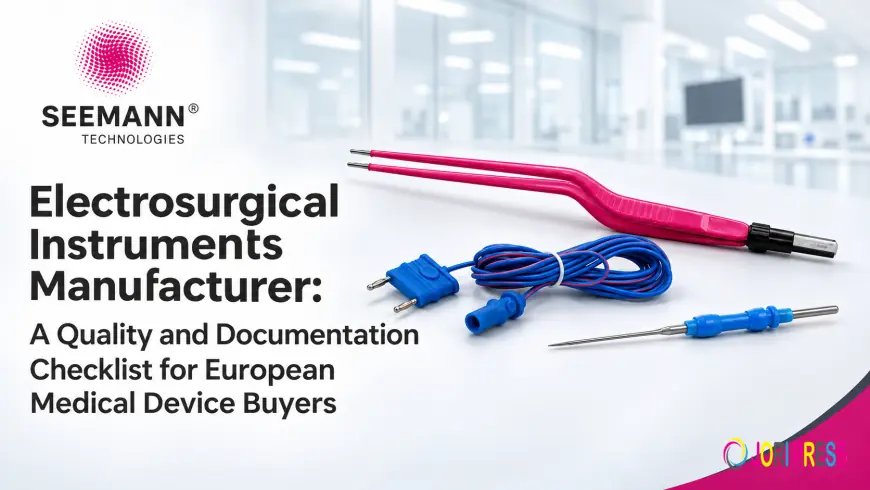
An electrosurgical instruments manufacturer may offer different products for high-frequency surgical applications. These include bipolar forceps, monopolar electrodes, electrosurgical pencils and connecting cables.
Each category has specific technical requirements. Buyers should understand which products a manufacturer actually produces and which are supplied through other arrangements.
This distinction matters when assessing product responsibility. It also helps distributors understand the available portfolio and technical support.
Why Manufacturing Evidence Matters
A product catalogue explains what a company offers. It does not necessarily explain how products are manufactured or quality is controlled.
Professional buyers should request relevant manufacturing and quality information. They should examine documented procedures, inspection arrangements and applicable product conformity evidence.
Clear information makes supplier evaluation more practical. It also helps procurement teams identify questions before approving a new supplier.
2. Evaluating an Electrosurgical Instrument Manufacturer's Quality Management System
ISO 13485 and Medical Device Quality Management
ISO 13485 is an international standard for medical device quality management systems. It provides a framework for controlling processes related to medical device design, production and distribution.
When reviewing certification, buyers should check:
-
The organisation named on the certificate.
-
The certification body's identity.
-
The certificate's validity period.
-
The activities covered by its scope.
-
Any relevant manufacturing locations.
A certificate should cover the activities being evaluated. Buyers should also understand that ISO 13485 certification is not the same as MDR conformity or product CE marking.
Production Controls and Quality Assurance
Manufacturing controls help maintain consistency across production activities. They can include documented work instructions, inspection procedures and defined acceptance criteria.
For electrosurgical instruments, relevant checks depend on the product design. They may involve dimensions, connections, material specifications and functional characteristics.
Buyers should ask how non-conforming products are identified and managed. They can also review how inspection records support product release.
These questions help establish whether quality processes are properly documented.
3. Product Design, Technical Documentation and Manufacturing Traceability
Understanding Product Specifications and Intended Use
Every medical device should have a clearly defined intended purpose. Its design and specifications must support that purpose.
For electrosurgical instruments, buyers may need to examine:
-
Working-end design and dimensions.
-
Instrument length and shaft configuration.
-
Handle and connector specifications.
-
Applicable equipment compatibility.
-
Product-specific instructions for use.
These details help purchasing teams compare products accurately. They also reduce the risk of selecting unsuitable alternatives.
Manufacturers should provide relevant product information. Buyers should confirm that specifications match the exact product reference being considered.
Production Records and Traceability
Traceability helps identify products throughout relevant manufacturing and distribution activities. It supports investigations when quality concerns arise.
Depending on the product, identification may include batch numbers, lot references and UDI information. These details should remain consistent across applicable labels and records.
Distributors should maintain accurate purchasing information. Hospitals should also retain relevant product records according to their procedures.
Clear identification supports complaint investigations and appropriate corrective actions.
4. Assessing Manufacturing Risks and Process Controls
Risk Management Across Product Manufacturing
Medical device risk management considers potential hazards throughout the product lifecycle. Manufacturers must address applicable risks through documented assessment and control measures.
For electrosurgical instruments, relevant considerations depend on the device and intended application. They may include electrical characteristics, insulation, materials, mechanical design and foreseeable misuse.
Buyers should understand how manufacturers assess relevant risks. However, they should avoid assuming that every instrument requires identical testing or controls.
The applicable evidence depends on device classification, design and regulatory requirements.
Supplier Controls and Process Validation
Manufacturing quality can also depend on materials and external suppliers. Components and outsourced processes should be managed through appropriate controls.
Process validation may be necessary when results cannot be fully verified through subsequent inspection. Its application depends on the manufacturing process.
Buyers evaluating suppliers can ask about material controls, outsourced activities and relevant validation records. These questions provide insight into manufacturing oversight.
5. Change Control, Complaints and Corrective Actions
Managing Product and Manufacturing Changes
Medical device manufacturing may involve changes to materials, components or production methods. Such changes require appropriate assessment before implementation.
A documented change-control process helps evaluate potential effects on product quality and conformity.
Distributors should also receive relevant product-change information. This helps them maintain accurate catalogues and purchasing records.
When a product reference changes, buyers should confirm whether its specifications remain suitable.
Complaint Handling and Corrective Actions
A structured complaint process helps manufacturers investigate reported product problems. It should capture relevant product details and available evidence.
Corrective and preventive action processes help address identified issues. They also support improvements to manufacturing and quality controls.
Buyers should ask how complaints are received and investigated. They should also understand how applicable safety communications are handled.
6. A Practical Checklist for Selecting an Electrosurgical Instruments Manufacturer
Manufacturer Documentation and Quality Evidence
Before establishing a supplier relationship, European buyers should review:
-
Manufacturer identity and product responsibilities.
-
Applicable EU Declaration of Conformity.
-
Relevant Notified Body certificates, where required.
-
Quality management certification and scope, where applicable.
-
Product specifications and instructions for use.
-
Traceability and product identification arrangements.
-
Relevant complaint and change-management procedures.
The required documents depend on the device and the organisation's role. Buyers should avoid requesting one generic certificate as proof for every product.
Product Portfolio and Professional Enquiries
Seemann Technologies is a European medical device manufacturer offering single-use HF and MIS instruments. Its product categories include bipolar forceps, monopolar electrodes and minimally invasive surgical instruments.
Businesses evaluating an electrosurgical instruments manufacturer should compare product specifications and relevant documentation.
Hospitals and distributors can assess the available range against their technical and commercial requirements. Clear enquiries also help establish suitable product configurations.
7. Frequently Asked Questions
What Should Buyers Look for in an Electrosurgical Instruments Manufacturer?
Review product specifications, quality management evidence, manufacturing controls and applicable conformity documents. Also examine traceability arrangements and the manufacturer's ability to provide clear technical information.
Is ISO 13485 the Same as MDR Certification?
No. ISO 13485 concerns medical device quality management systems. MDR conformity involves applicable European regulatory requirements for individual devices. One does not automatically replace the other.
Why Is Manufacturing Traceability Important for Surgical Instruments?
Traceability helps identify products and relevant production batches. It supports complaint investigations, product monitoring and corrective actions when quality concerns arise.
What Quality Documents Should Distributors Request from Manufacturers?
Relevant documents may include an EU Declaration of Conformity, applicable certificates, product specifications and instructions for use. Buyers should also request quality evidence relevant to their supplier assessment.
8. Choose an Electrosurgical Manufacturing Partner with Clear Product Information
Selecting a manufacturing partner requires careful attention to quality systems, product specifications and documentation. Buyers should evaluate evidence rather than rely on general promotional statements.
Seemann Technologies serves European healthcare markets with specialist single-use HF and MIS instruments. Hospitals and distributors can contact the team to discuss product specifications, technical information and professional supply requirements.
What's Your Reaction?
 Like
0
 Dislike
0
 Love
0
 Funny
0
 Angry
0
 Sad
0
 Wow
0