


































Frac Sand Market Scenario: Shifting Energy Demand, Supply Dynamics, and Industry Outlook
The frac sand industry occupies a critical position in the unconventional oil and gas value chain. Hydraulic fracturing operations rely on specialized proppants to keep underground fractures open, allowing hydrocarbons to flow more efficiently toward production wells.

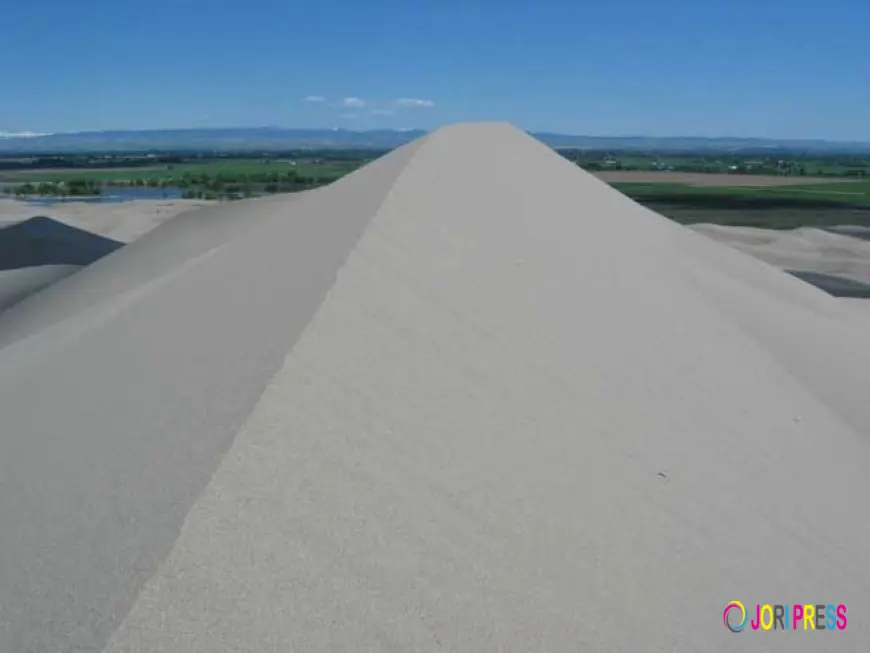
Understanding the Current Frac Sand Market Landscape
The frac sand industry occupies a critical position in the unconventional oil and gas value chain. Hydraulic fracturing operations rely on specialized proppants to keep underground fractures open, allowing hydrocarbons to flow more efficiently toward production wells. As drilling technologies evolve and operators prioritize well productivity, the demand for appropriately graded, durable, and economically viable sand continues to shape industry decisions.
The frac sand market scenario is influenced by several interconnected factors, including crude oil and natural gas prices, drilling activity, well completion intensity, transportation costs, and the geographic distribution of high-quality sand deposits. Market performance also depends on operators' willingness to invest in new production capacity and adopt supply chain strategies that reduce costs without compromising completion performance.
Rather than following a uniform growth trajectory, the industry experiences regional variations. Established shale-producing areas benefit from proximity to drilling sites, while emerging or expanding basins may require different sourcing arrangements. These differences make logistics, product quality, and operational efficiency essential considerations for producers and buyers.
Key Factors Influencing Market Demand
Expansion of Unconventional Oil and Gas Production
Hydraulic fracturing remains a major source of demand for frac sand, particularly in regions where shale formations contain commercially recoverable oil and natural gas. Operators use proppants to maintain fracture conductivity after high-pressure fluids create pathways through rock formations.
Demand is affected not only by the number of active rigs but also by the number of wells completed and the quantity of proppant used per well. Longer horizontal wells and increasingly intensive completion designs can require substantial sand volumes. Consequently, frac sand consumption may remain resilient even when drilling activity changes moderately, provided operators continue completing wells with higher proppant intensity.
However, this relationship is not automatic. Lower commodity prices, capital expenditure reductions, or changes in completion schedules can weaken consumption. Sand producers must therefore monitor drilling plans and completion activity rather than relying exclusively on headline rig counts.
Cost Optimization and Operational Efficiency
Oilfield operators continuously evaluate the cost of completing wells. Frac sand represents an important component of completion expenditure, making delivered cost a significant purchasing consideration.
Producers with efficient mines, modern processing facilities, reliable transportation arrangements, and strategically located distribution points are better positioned to compete. Buyers increasingly assess the complete cost of sourcing sand, including processing, storage, handling, and delivery to the wellsite.
This emphasis on efficiency encourages suppliers to improve production planning, reduce equipment downtime, optimize inventory, and develop flexible delivery systems. In a competitive environment, dependable supply can be as valuable as a lower quoted price.
Supply-Side Developments Reshaping Competition
Regional Mining Capacity and Resource Quality
The availability of suitable sand deposits determines where production facilities can operate economically. Different formations exhibit variations in grain size, shape, strength, and mineral composition. These characteristics influence whether a deposit can supply sand suitable for particular hydraulic fracturing applications.
Mining companies must evaluate geological resources alongside processing requirements and access to infrastructure. Establishing a facility involves substantial investment in land, extraction equipment, washing and drying systems, screening technology, and transportation connections.
An increase in installed capacity does not necessarily translate into stronger profitability. If supply expands faster than consumption, producers may face lower selling prices and reduced utilization rates. Conversely, disruptions at major production sites can tighten regional availability and increase delivered costs.
In-Basin Supply and Logistics Advantages
The development of local sand supply has changed the competitive structure of the industry. Historically, some drilling regions relied heavily on long-distance shipments from established mining areas. The expansion of regional production has allowed operators to source sand closer to their wells in several major shale basins.
Shorter transportation distances can reduce freight expenditure, delivery times, and exposure to rail congestion. They may also improve scheduling flexibility during periods of concentrated completion activity.
Nevertheless, proximity alone does not guarantee the lowest total cost. Mine productivity, sand quality, processing expenses, road conditions, and last-mile delivery requirements all influence competitiveness. Suppliers must balance these factors when determining where to build facilities and how to serve customers.
Technological Innovation and Product Differentiation
Improving Processing and Sand Performance
Processing technology plays an important role in producing consistent proppant grades. Screening systems, washing equipment, drying operations, and quality-control procedures help suppliers meet specifications for particle-size distribution and material cleanliness.
Customers require products suited to their reservoir conditions and completion designs. Depending on the application, they may prioritize conductivity, crush resistance, grain consistency, or cost efficiency. These requirements create opportunities for producers that can maintain dependable quality while controlling operating expenses.
Digital monitoring and predictive maintenance can further improve plant reliability. Better coordination between mining, processing, inventory management, and transportation can also reduce waste and support more accurate delivery schedules.
Automation and Supply Chain Integration
Automation is becoming increasingly relevant to mining and processing operations. Equipment monitoring, automated material handling, and production analytics can help identify inefficiencies and improve workplace safety.
Integration across the supply chain offers additional benefits. By connecting production forecasts with customer schedules, suppliers can adjust output, allocate inventory, and coordinate deliveries more effectively. Such capabilities are especially valuable when multiple well pads require sand within narrow operational windows.
Technology adoption, however, requires investment and skilled personnel. Producers must evaluate whether expected savings justify implementation costs, particularly during periods of weak pricing or uncertain demand.
Challenges and Risks Facing Market Participants
The industry remains exposed to fluctuations in oil and gas prices. When producers reduce drilling budgets, demand for completion materials can decline quickly. Excess mining capacity may then place downward pressure on prices and margins.
Transportation remains another major challenge. Fuel costs, road restrictions, equipment availability, and seasonal weather conditions can disrupt deliveries. Even when sand is available at the mine, delays in reaching a wellsite can interfere with completion schedules and increase operating costs.
Environmental management also influences project economics. Mining operations must address land disturbance, dust generation, water use, reclamation, and applicable permitting requirements. Communities and regulators may scrutinize new projects, affecting development timelines and operating conditions.
In addition, customers may diversify suppliers to strengthen negotiating positions. This can make long-term demand less predictable for individual producers and increase the importance of cost discipline, service quality, and contractual flexibility.
Future Outlook and Strategic Opportunities
The future direction of the frac sand industry will depend on the balance between unconventional production requirements, completion technology, commodity prices, and available supply. Demand may strengthen when operators increase completion activity or use more proppant per well. It may weaken when capital spending contracts or production strategies shift.
Suppliers can improve their resilience by prioritizing operational efficiency, maintaining consistent product quality, and building logistics networks aligned with customer demand. Flexible production planning and careful capital allocation can help reduce exposure to sudden market changes.
Regional diversification may provide opportunities where drilling activity supports economically viable local supply. At the same time, investment decisions should account for existing capacity, geological suitability, infrastructure access, and the risk of oversupply.
Sustainability and resource efficiency are also likely to receive continued attention. Better water management, dust controls, energy efficiency, and land reclamation practices can support responsible operations while helping companies prepare for changing regulatory expectations.
Conclusion
The frac sand industry is shaped by more than drilling volumes alone. Supply location, transportation economics, processing quality, technological adoption, and environmental considerations collectively determine competitive performance. Producers that understand these interconnected forces can make more informed decisions about capacity, investment, and customer relationships.
As unconventional oil and gas development evolves, the industry's strongest participants will likely be those that combine dependable supply with disciplined cost management and adaptable operations. Monitoring regional completion activity, infrastructure constraints, and changes in proppant requirements will remain essential to understanding market direction and identifying sustainable business opportunities.
What's Your Reaction?
 Like
0
Like
0
 Dislike
0
Dislike
0
 Love
0
Love
0
 Funny
0
Funny
0
 Angry
0
Angry
0
 Sad
0
Sad
0
 Wow
0
Wow
0