








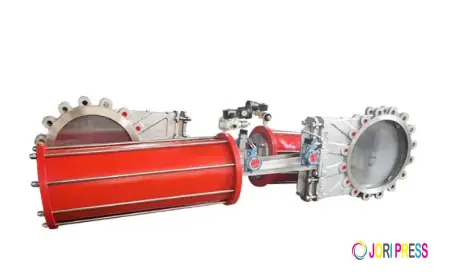

































Fork Type Pneumatic Valve for Automation Systems

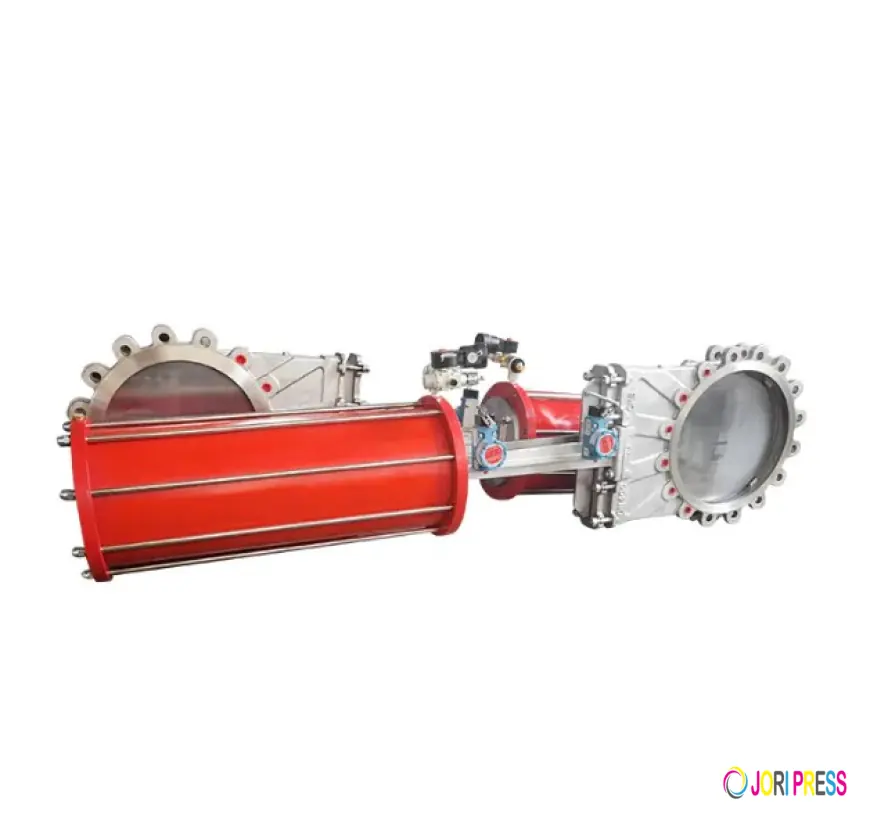
Selecting the right valve structure is an important part of designing an efficient pneumatic control system. A Fork Type Pneumatic Valve can be considered for applications that require a suitable mechanical arrangement for controlling compressed air and coordinating equipment movements. When evaluating a Fork Type Pneumatic Valve, manufacturers should examine its operating principle, connection configuration, installation environment, and compatibility with other pneumatic components. Understanding these factors helps equipment designers make practical purchasing decisions and develop pneumatic systems that meet specific industrial operating requirements.
Understanding the Structural Characteristics
The structural design of a pneumatic valve influences how it connects with an actuator and controls airflow. Fork-type configurations are associated with a mechanical connection arrangement that needs to be evaluated according to the intended equipment design.
Before selecting a product, engineers should understand how the valve interacts with the connected mechanism. The movement direction, connection position, and available installation space can all influence whether a particular structure is appropriate.
It is also important to distinguish between different valve operating methods. Some pneumatic valves use mechanical actuation, while others rely on electrical or pneumatic control signals. Understanding these differences helps buyers identify the correct product for their machinery.
Reviewing technical drawings and product specifications before purchasing can reduce confusion and make equipment integration more straightforward.
Matching Valve Specifications with Equipment Requirements
Different industrial machines have different airflow and control requirements. A valve that works well in one application may not be suitable for another because operating pressure, flow demand, and connection arrangements can vary.
Manufacturers should first identify the working pressure range and the required airflow capacity. Port size and connection standards should also match the existing pneumatic pipeline to avoid unnecessary installation modifications.
The operating environment is another important consideration. Temperature variations, dust, humidity, and continuous equipment operation may influence the selection of valve materials and sealing components.
For customized machinery, providing detailed application information to the supplier can help clarify the required configuration. Equipment drawings, pneumatic circuit diagrams, and operating descriptions are useful references during product evaluation.
Wisley Pneumatic Solutions for Industrial Control
Zhejiang Wisley Automatic Valve Co., Ltd. provides pneumatic valve and actuator products for industrial automation applications. When purchasing pneumatic control components, buyers should consider how each product fits into the complete equipment system.
A suitable supplier should be able to communicate product specifications and help customers understand connection arrangements and operating requirements. This information is particularly valuable when integrating new components into existing machinery.
Before confirming a purchase, manufacturers can discuss installation dimensions, control methods, pressure requirements, and related accessories. These details help establish whether the selected product matches the intended application.
Clear communication also makes it easier to coordinate product selection with equipment development schedules and technical requirements.
Installation and System Compatibility
Correct installation helps pneumatic components operate according to their intended functions. Before connecting a valve, technicians should inspect the pipeline, verify port positions, and check that the compressed air supply meets the specified conditions.
The valve should be installed in a position that allows convenient access for inspection and maintenance. Connection points should be secured properly, while pipelines should be arranged to avoid unnecessary stress on the component.
Air preparation is equally important. Filters and regulators can help maintain suitable compressed air conditions, reducing the influence of moisture and particles on internal components.
After installation, technicians should test the pneumatic circuit and observe whether the valve responds correctly to the control mechanism. Checking for leakage and unusual movement before regular operation can help identify potential problems early.
Maintenance Considerations for Long-Term Use
Regular inspection helps maintain the operating condition of pneumatic control equipment. Maintenance teams should check external connections, sealing areas, mechanical movement, and the condition of the compressed air supply.
If the valve shows delayed responses or inconsistent operation, technicians should examine the air pressure, control mechanism, and possible component wear. Maintenance activities should follow the manufacturer's technical instructions rather than relying on assumptions about internal construction.
Keeping inspection records is also useful for industrial equipment management. Recording maintenance activities and operating observations helps identify recurring issues and supports more organized servicing arrangements.
What's Your Reaction?
 Like
0
 Dislike
0
 Love
0
 Funny
0
 Angry
0
 Sad
0
 Wow
0