

































Film Processing Explained: From Exposed Roll to Beautiful Prints and High-Quality Scans
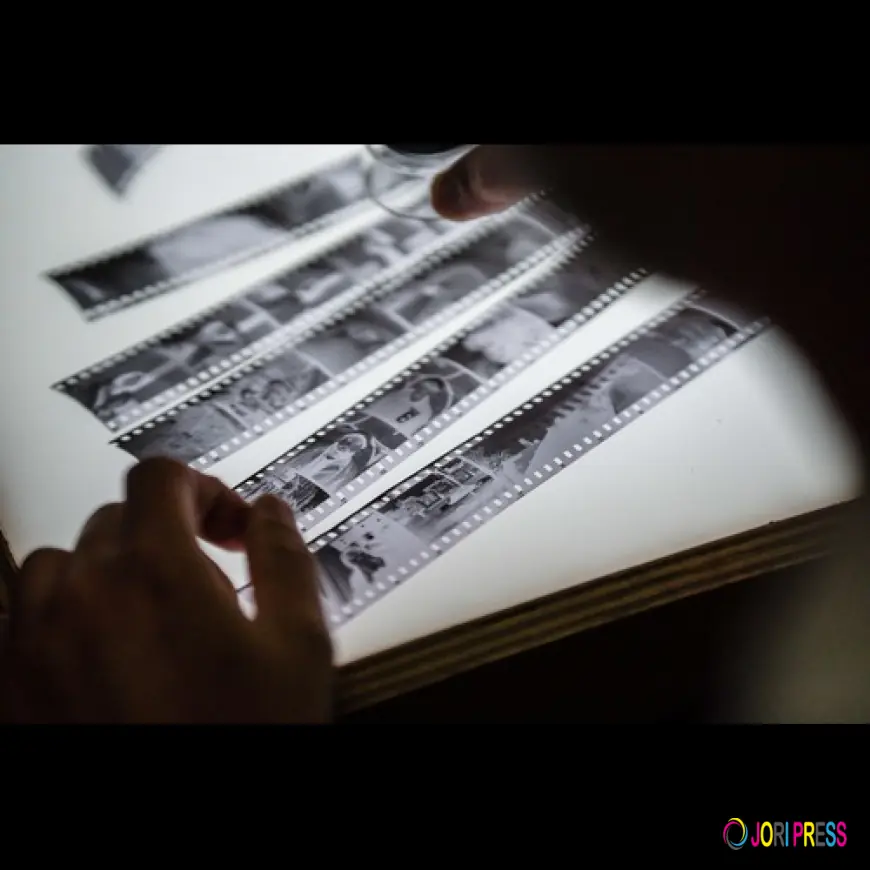
Every time I finish loading a roll of film, I know that the real transformation has only just started.The images are captured, but they are still invisible in the film.That's why I always pay close attention to how the film is processed.Proper processing keeps every detail, color, and tone that I aimed for, while poor processing can ruin the image quality forever.
Film processing is more than just mixing chemicals.
It is the step that brings the hidden image on the film to life as negatives or slides that can be scanned, printed, and kept for years. Whether I shoot 35mm film, medium format, black and white, or slide film, the final quality always depends on how well the film is processed.
What Is Film Processing?
Film processing is the process that turns the invisible image on exposed film into something visible, like a negative or positive image.
Once a roll has been shot, it needs to be treated with the right chemicals under carefully controlled temperatures and timing.After processing, the film can be turned into digital files or printed into photographs.
Each film type needs a specific processing method.
Using the wrong chemicals or technique can harm the entire roll.
The most common film processing methods are:
- C-41 color film processing
- Black and white film processing
- E-6 slide film processing
Each of these is designed for a specific type of film.
How Film Processing Works
Many photographers know how to expose film properly, but not many understand what happens after the roll reaches the lab.
Film processing has several important stages.
Film Inspection
The first step is checking and identifying the film.
Every roll is examined to confirm its type before processing starts since different films need different chemical treatments.
Chemical Processing
The film goes through a series of carefully controlled chemical baths.
These chemicals develop the hidden image while keeping color, contrast, and detail intact.Temperature and time must be very precise during the whole process.
Washing and Drying
Once processing is done, the film is washed to remove all chemicals.
Then it is dried in a clean, dust-free environment to prevent marks, scratches, and contamination.
Film Scanning
After the negatives are clean and dry, they can be scanned using professional equipment.
High-quality scanning gives detailed digital images that are easy to edit, share, and save, while protecting the original negatives.
Photo Printing
The final step is printing photographs from the negatives.
Professional printing keeps the rich colors, smooth tones, and classic look that make film photography special.
Why Professional Film Processing Matters
Many people think film processing just makes photos visible.
From my experience, professional processing also plays a key role in keeping image quality over time.
A professional photo lab provides:
- Accurate chemical control
- Consistent color reproduction
- Clean, dust-free negatives
- Better detail in highlights and shadows
- High-resolution scanning
- Safe handling of original negatives
These details make a big difference, especially when creating large prints or saving valuable photos.
Film Processing for Different Film Types
Each type of film reacts differently during processing.
Choosing the correct method ensures the best results.
35mm Film Processing
35mm film is still popular for travel, portraits, and street photography.
Proper processing helps keep sharp detail, rich colors, and smooth grain.
120 Film Processing
Medium format film makes larger negatives with excellent image quality.
Careful handling during processing protects each frame from damage.
Disposable Camera Film Processing
Disposable cameras are still used for weddings, vacations, parties, and special events.
Professional processing helps get the best image quality from these simple cameras.
Black and White Film Processing
Black and white photography relies a lot on accurate processing.
Small changes during development can affect contrast, grain, and tones.
E-6 Slide Film Processing
Slide film has very little room for error, so accurate processing is essential.
Professional handling helps preserve color and image quality.
Common Mistakes That Affect Film Processing
Over the years, I’ve noticed many mistakes that can hurt image quality before photographers even realize something is wrong.
Some common issues include:
- Using the wrong processing method
- Storing exposed film in high heat
- Delaying processing too long
- Scratching negatives during handling
- Choosing low-quality film scanning services
Avoiding these mistakes helps keep every photo on the roll safe.
Why Film Scanning Is Important in Film Processing
Processing doesn’t end when the negatives are dry.
Professional film scanning is a key part of film processing because it determines how the photos look on digital devices and how well they are preserved for the future.
High-quality scanning provides:
- Better sharpness
- Greater dynamic range
- Accurate colors
- More flexibility for editing
- Long-term digital storage
Even well-processed negatives can look flat if they are scanned poorly.
Choosing the Right Film Processing Lab
Not all photo labs are the same.
Before sending my film to any lab, I look for one that offers:
- Professional film processing
- C-41 color processing
- Black and white film processing
- E-6 slide film processing
- High-resolution scanning
- Experienced technicians
- Careful handling of negatives
- Reliable turnaround times
A trusted lab gives me confidence that every roll gets the care it deserves.
Why I Trust Icon LA
When I need dependable film processing, I choose experience over convenience.
Icon LA has built a strong reputation for professional processing, high-resolution scanning, and premium printing.They handle 35mm, 120, black and white, color negative, slide, and disposable camera film.What I value most is that every roll is treated with care because every frame represents a precious memory.
Frequently Asked Questions
How long does film processing take?
Most labs complete film processing within a few business days, although the time can vary depending on the film type and any extra services chosen.
Can old film still be processed?
Yes.
Many old rolls can still produce good photographs if they were stored under reasonable conditions.
Is professional film scanning worth it?
Absolutely.
What's Your Reaction?
 Like
0
Like
0
 Dislike
0
Dislike
0
 Love
0
Love
0
 Funny
0
Funny
0
 Angry
0
Angry
0
 Sad
0
Sad
0
 Wow
0
Wow
0