








































Understanding Farxiga: Clinical Indications & Dosing Details
Learn what Farxiga (dapagliflozin) is, how it works, standard dosing guidelines for diabetes, heart failure, and CKD, key side effects, and critical safety warnings.

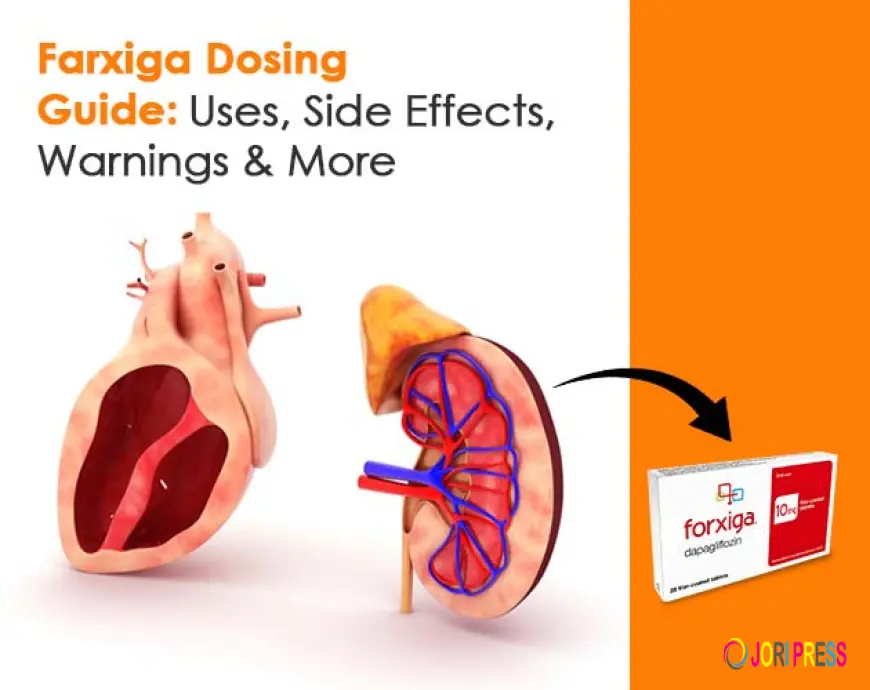
Sodium-glucose cotransporter 2 (SGLT2) inhibitors have reshaped modern metabolic and cardiovascular medicine. Originally developed to lower blood sugar in adults with type 2 diabetes, medications in this class demonstrate profound organ-protective benefits that extend well beyond glycemic control.
Among these therapies, Farxiga (generic name: dapagliflozin) stands out as a foundational medication prescribed to manage type 2 diabetes, reduce the risk of hospitalization for heart failure, and slow the progression of chronic kidney disease (CKD).
Whether you have recently received a prescription or are managing multiple cardiometabolic conditions, understanding how dapagliflozin operates, how it is dosed, and what safety steps to take ensures you get the maximum therapeutic benefit while minimizing risk.
What Is Farxiga and How Does It Work?
Farxiga is an oral prescription medication belonging to the SGLT2 inhibitor class. It works by targeting the SGLT2 proteins located in the proximal renal tubules of the kidneys.
In a healthy kidney, these proteins reabsorb nearly all filtered glucose back into the bloodstream. By blocking this transport protein, dapagliflozin prevents glucose reabsorption, allowing excess blood sugar to be excreted through urine.
Key Mechanisms and Organ Benefits:
-
Glycemic Control: Lowers hemoglobin A1c without relying on pancreatic insulin secretion.
-
Osmotic Diuresis & Natriuresis: Promotes mild sodium and water loss, reducing blood pressure and plasma volume.
-
Intraglomerular Pressure Reduction: Decreases stress within the filtering units of the kidneys, helping to preserve long-term renal function.
-
Cardiovascular Support: Reduces cardiac workload, lowering the risk of cardiovascular death and heart failure exacerbations.
Approved Indications and Standard Dosing Guidelines
Dapagliflozin is available in 5 mg and 10 mg film-coated oral tablets, typically taken once daily in the morning with or without food. Dosage varies based on the primary condition being treated and baseline kidney function.
1. Type 2 Diabetes Mellitus
-
Starting Dose: 5 mg once daily.
-
Dose Escalation: May be increased to 10 mg once daily for patients requiring additional glycemic control who tolerate the initial dose well.
-
Primary Goal: Lower A1c and reduce cardiovascular events in patients with established cardiovascular disease or multiple risk factors.
2. Heart Failure (HFrEF and HFpEF)
-
Standard Dose: 10 mg once daily.
-
Primary Goal: Reduce the risk of cardiovascular death, heart failure hospitalization, and urgent heart failure visits in adults with heart failure, regardless of whether type 2 diabetes is present.
3. Chronic Kidney Disease (CKD)
-
Standard Dose: 10 mg once daily.
-
Primary Goal: Reduce the risk of sustained eGFR decline, end-stage kidney disease (ESKD), cardiovascular death, and hospitalization for heart failure in adults with progressive CKD at risk of disease advancement.
Determining the correct dose requires evaluating estimated glomerular filtration rate (eGFR) and serum creatinine levels prior to initiating treatment. For a granular clinical breakdown covering eGFR cutoff thresholds, dose adjustments, and renal safety guidelines, consult the comprehensive Farxiga dosing guide, which details prescribing considerations across various stages of kidney impairment.
Summary of Clinical Indications and Dosing
|
Condition / Indication |
Standard Daily Dose |
Key Therapeutic Objective |
Diabetes Required? |
|
Type 2 Diabetes |
5 mg or 10 mg |
Lower A1c; glycemic control |
Yes |
|
Heart Failure |
10 mg |
Reduce hospitalization & CV death |
No |
|
Chronic Kidney Disease |
10 mg |
Slow eGFR decline; delay ESKD |
No |
Important Side Effects and Safety Warnings
While dapagliflozin is generally well-tolerated, its mechanism of urinary excretion introduces specific side effects and safety considerations that require proactive management.
Common Adverse Effects:
-
Genital Mycotic Infections: Fungal yeast infections (such as vulvovaginitis or balanitis) can occur due to increased urinary sugar levels. Maintaining good hygiene reduces this risk.
-
Urinary Tract Infections (UTIs): Increased glucose in the urinary tract creates an environment conducive to bacterial growth.
-
Increased Urination & Mild Dehydration: Mild volume depletion can lead to lightheadedness or orthostatic hypotension, particularly in patients taking concurrent loop diuretics.
Serious Risks and Warnings:
1. Euglycemic Diabetic Ketoacidosis (eDKA)
A rare but serious condition occurring primarily in patients with diabetes. Unlike classic DKA, eDKA presents with normal or only mildly elevated blood sugar levels (often under 250 mg/dL), making it harder to spot. Symptoms include nausea, vomiting, abdominal pain, fatigue, and shortness of breath.
-
Prevention Tip: Pause Farxiga temporarily before planned surgeries, major medical procedures, or during severe illness or prolonged fasting.
2. Fournier’s Gangrene (Necrotizing Fasciitis of the Perineum)
A rare, life-threatening bacterial infection of the tissue under the skin around the genital and perineal areas. Prompt medical attention is necessary if fever accompanies tenderness, redness, or swelling in the genital region.
3. Risk of Volume Depletion & Acute Kidney Injury
In patients who are elderly, taking high-dose blood pressure medications, or acutely ill, fluid loss can cause low blood pressure or transient drops in kidney filtration.
Practical Tips for Taking Dapagliflozin Safely
-
Maintain Adequate Hydration: Drink plenty of fluids throughout the day unless your physician has placed you on a strict fluid restriction for heart failure or kidney disease.
-
Do Not Alter Your Dose Without Guidance: If you miss a dose, take it as soon as you remember unless it is almost time for your next scheduled dose. Never double up on tablets.
-
Monitor Foot Health: As with all diabetes management, perform routine foot checks and inform your healthcare provider of any non-healing sores or ulcers.
-
Discuss Sick-Day Rules: Ask your prescribing doctor or nephrologist when to hold your medication during periods of severe dehydration, vomiting, or acute illness.
Frequently Asked Questions
1. Does Farxiga cause weight loss?
Yes, modest weight loss (typically 2 to 6 pounds) is common with SGLT2 inhibitors. This occurs because caloric energy is excreted in the urine, along with initial fluid loss from osmotic diuresis.
2. Can Farxiga be used in people with Type 1 Diabetes?
No. Farxiga is not approved for patients with type 1 diabetes due to a significantly increased risk of severe diabetic ketoacidosis (DKA).
3. How long does it take for Farxiga to work?
Urinary glucose excretion begins within hours of taking the first dose. However, noticeable reductions in blood sugar levels take several days, while maximum renal and cardiovascular protection develops over months of consistent daily use.
4. What should I do if I experience low blood sugar (hypoglycemia)?
Dapagliflozin alone carries a low risk of hypoglycemia because it does not stimulate insulin production. However, if taken alongside insulin or insulin secretagogues (like sulfonylureas), your doctor may lower the dose of those concurrent medications to prevent low blood sugar episodes.
Summary
Farxiga represents an important therapeutic advancement for managing cardiometabolic and renal health. By blocking renal glucose reabsorption, it provides targeted blood sugar control while offering significant protection for the heart and kidneys. Adhering to proper dosing routines, staying hydrated, and staying vigilant for signs of volume depletion or uncommon infections allows patients to safely maximize the organ-protective benefits of this medication.
What's Your Reaction?
 Like
0
Like
0
 Dislike
0
Dislike
0
 Love
0
Love
0
 Funny
0
Funny
0
 Angry
0
Angry
0
 Sad
0
Sad
0
 Wow
0
Wow
0