









































Ethanol Blended Petrol in India: Everything You Need to Know Before Filling Your Fuel Tank

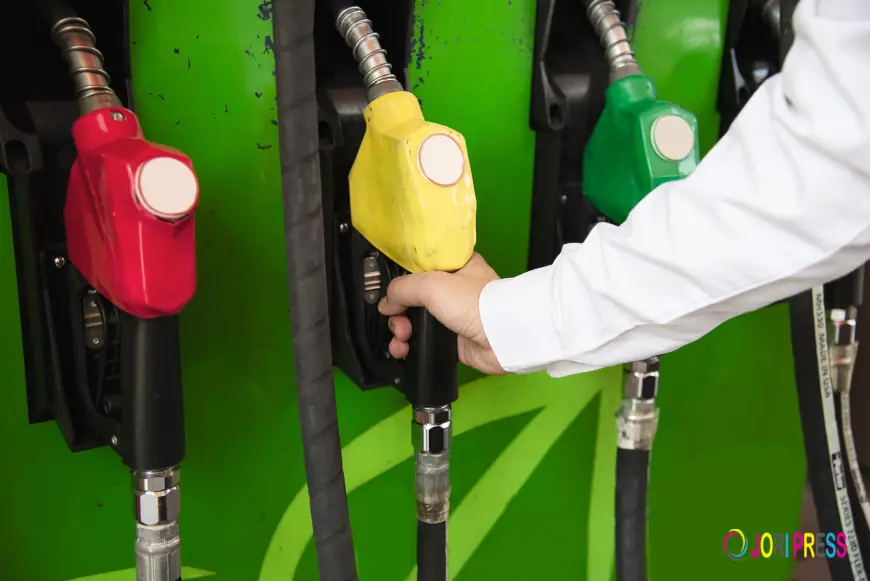
India's fuel landscape is evolving rapidly. If you've noticed labels such as E10 or E20 at fuel stations, you're not alone. As the government increases ethanol blending across the country, many vehicle owners have questions about ethanol-blended petrol, including its safety and its effects on their cars' performance.
This guide will explain what ethanol-blended petrol is, why it is being introduced, the different types of petrol available in India, and what drivers should know to ensure their engines perform at their best.
What is Ethanol Blended Petrol in India?
Ethanol-blended petrol in India is regular petrol mixed with a certain percentage of ethanol, a renewable, alcohol-based fuel produced from sugarcane, maize, and other agricultural feedstocks.
The most common blends available today are:
- E10 – 10% ethanol and 90% petrol
- E20 – 20% ethanol and 80% petrol
The Government of India is promoting ethanol blending to reduce crude oil imports, lower emissions, and support sustainable energy.
Is Ethanol Mixed with Petrol in India?
Yes.
If you're wondering "Is ethanol mixed with petrol in India?", the answer is yes. Ethanol blending has already been implemented across many fuel stations, and the rollout continues nationwide.
Depending on your location and fuel station, you may receive either E10 or E20 petrol.
As India continues increasing ethanol blending, more vehicles will regularly operate on ethanol-blended fuels.
Ethanol Percentage in Petrol in India
Many drivers ask about the ethanol percentage in petrol in India.
Currently, the most common blends are:
- E10 Petrol – 10% ethanol
- E20 Petrol – 20% ethanol
The percentage depends on government policy and fuel availability in different regions.
Vehicle manufacturers are also designing newer BS6 and future vehicles to support higher ethanol blends.
Types of Petrol in India
Today, there are several types of petrol in India, each designed for different engine requirements.
Regular Petrol
Standard petrol suitable for most everyday vehicles.
Premium Petrol
Higher octane petrol designed for performance-oriented or high-compression engines.
E10 Petrol
Contains 10% ethanol and is widely available across India.
E20 Petrol
Contains 20% ethanol and is gradually becoming the standard fuel for modern compatible vehicles.
Although these fuels differ in composition, choosing the right fuel depends on your vehicle manufacturer's recommendations.
Why is India Increasing Ethanol Blending?
The move towards ethanol blending offers several national benefits.
These include:
- Reducing crude oil imports
- Lowering vehicle emissions
- Supporting Indian farmers
- Improving energy security
- Promoting renewable fuel use
While these advantages benefit the country, drivers should also understand how ethanol behaves differently from conventional petrol.
Common Petrol Issues in India
One of the most discussed petrol issues in India today is fuel quality variation and the increasing use of ethanol blends.
Some vehicle owners experience:
- Reduced mileage
- Engine knocking
- Carbon deposits
- Injector contamination
- Rough idling
- Slow acceleration
These problems are not caused by ethanol alone. Driving habits, inconsistent fuel quality, poor maintenance, and deposit build-up can all contribute to reduced engine performance.
Does Ethanol Affect Your Engine?
Ethanol burns cleaner than petrol, but it also has different chemical properties.
Compared to conventional petrol, ethanol:
- Absorbs moisture more easily
- Has lower energy density
- Can increase corrosion risk in older fuel systems
- Requires compatible seals, hoses, and fuel components
Modern BS6 and E20-compatible vehicles are designed to handle these fuel characteristics much better than older vehicles.
How to Protect Your Engine While Using Ethanol-Blended Petrol
Whether you're using E10 or E20 fuel, proper fuel system maintenance becomes increasingly important.
Some good practices include:
- Refuel from trusted fuel stations.
- Follow your manufacturer's service schedule.
- Keep fuel injectors clean.
- Avoid storing fuel for long periods.
- Use a quality fuel additive formulated for ethanol-blended petrol.
Modern fuel additives help support cleaner injectors, improved combustion, reduced deposits, and additional protection for fuel system components operating with ethanol-blended fuels.
Should You Be Worried About Ethanol-Blended Petrol?
For most modern vehicles, there's no need to worry if your vehicle is approved for ethanol-blended fuels.
The key is understanding your vehicle's compatibility and maintaining the fuel system properly.
If you own an older vehicle, always check your owner's manual before regularly using higher ethanol blends such as E20.
Conclusion
Ethanol-blended petrol in India is becoming the future of automotive fuel. As the country continues increasing ethanol blending, understanding how these fuels work is becoming essential for every vehicle owner.
Although ethanol-blended petrol offers environmental and economic benefits, maintaining a clean fuel system remains important for consistent engine performance. Using good-quality fuel, following regular maintenance, and protecting your fuel system can help your vehicle continue performing efficiently for years to come.
Frequently Asked Questions (FAQs)
What is ethanol blended petrol in India?
It is petrol mixed with ethanol, most commonly available as E10 (10% ethanol) and E20 (20% ethanol).
Is ethanol mixed with petrol in India?
Yes. Ethanol blending has already been implemented across India under the government's ethanol blending programme.
What is the ethanol percentage in petrol in India?
The most common ethanol blends are E10 and E20, depending on the fuel station and region.
What are the different types of petrol in India?
India currently offers regular petrol, premium petrol, E10 petrol, and E20 petrol.
Does ethanol blended petrol reduce mileage?
Since ethanol contains slightly lower energy than petrol, some vehicles may experience a small reduction in fuel economy. However, actual mileage depends on vehicle condition, driving style, and maintenance.
Can BS6 cars use ethanol blended petrol?
Many BS6 vehicles are designed to use ethanol-blended petrol, but you should always check your vehicle manufacturer's recommendations before using E20 fuel regularly.
What's Your Reaction?
 Like
0
Like
0
 Dislike
0
Dislike
0
 Love
0
Love
0
 Funny
0
Funny
0
 Angry
0
Angry
0
 Sad
0
Sad
0
 Wow
0
Wow
0