









































Entertainment Trends Shaping Modern Digital Culture

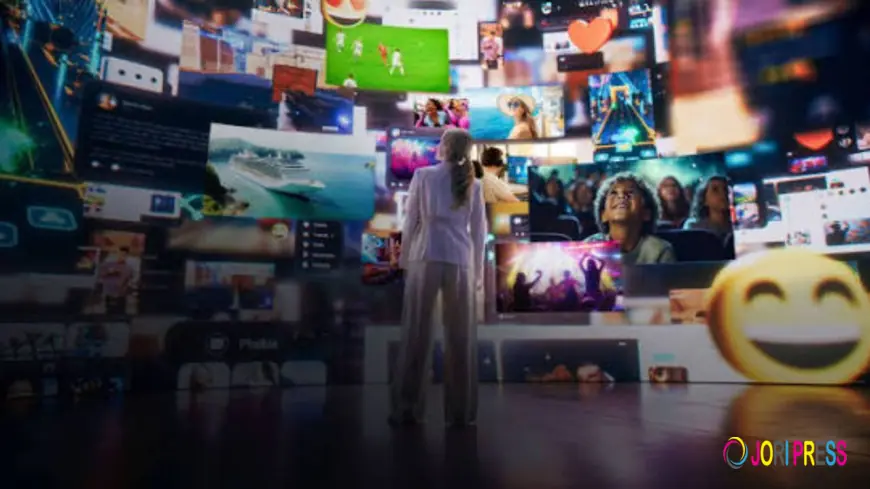
Entertainment has changed significantly as audiences move between streaming platforms, social media, gaming services, podcasts, live events, and traditional television. People now have more control over the content they watch and the time they spend watching it.
The entertainment industry has also become more connected to technology. Streaming services can recommend programs based on viewing habits, creators can publish directly to audiences, and social platforms can turn short videos into major cultural trends.
At the same time, audiences are becoming more selective. A large amount of available content does not automatically mean every release will attract attention. Strong storytelling, useful recommendations, reliable information, and genuine audience interest continue to influence entertainment choices.
The industry is also changing behind the scenes. Artificial intelligence, digital production tools, virtual events, online communities, and new distribution models are influencing how entertainment is created and consumed.
Streaming Continues to Change Audience Habits
Streaming has become an important part of modern entertainment. Instead of waiting for scheduled television broadcasts, viewers can often choose programs according to their own schedules.
Movies, television series, documentaries, animation, and other formats can now be accessed through internet-connected devices.
Streaming has changed several parts of the viewing experience:
-
On-demand access.
-
Personalized recommendations.
-
Multiple language options.
-
Subtitles and accessibility features.
-
Mobile viewing.
-
Multi-device access.
-
Regular releases of original content.
One major change is the shift from shared viewing schedules toward individual viewing habits. Family members or friends may watch completely different programs on the same evening.
However, having more options can also create a problem. Viewers may spend considerable time searching for something to watch rather than actually watching a program.
Recommendation systems attempt to solve this by suggesting content based on previous viewing behavior. These systems can be useful, but they may also limit discovery if audiences repeatedly receive similar recommendations.
Entertainment platforms therefore need to balance personalization with opportunities for audiences to discover different genres and creators.
The growth of streaming has also changed the economics of entertainment. Production companies can reach international audiences more easily, while competition for viewer attention has increased.
For viewers, comparing subscription costs and actual usage can help determine whether a service provides good value. Keeping several subscriptions simply because each offers a small amount of preferred content may become expensive.
Short-Form Content Is Influencing Popular Culture
Short-form video has become a major part of online entertainment. Social platforms allow creators to produce brief videos that can reach large audiences without traditional media distribution.
These videos can cover comedy, music, dance, commentary, cooking, travel, gaming, sports, and many other subjects.
Short-form content can spread trends quickly because users can easily watch, share, remix, and respond to videos.
Popular formats can include:
-
Comedy sketches.
-
Music clips.
-
Behind-the-scenes footage.
-
Reaction videos.
-
Short reviews.
-
Tutorials.
-
Interviews.
-
Creator challenges.
The low barrier to publishing content has allowed more people to participate in entertainment production. A creator does not necessarily need access to a traditional studio to build an audience.
However, popularity on a social platform does not always indicate long-term entertainment value. Algorithms can influence which videos receive visibility, and audience interests can change rapidly.
Creators therefore face pressure to maintain regular output while keeping content interesting. This can affect production quality and creative decisions.
Audiences should also remember that online entertainment is often edited. A short clip may represent only one part of a longer situation.
Digital entertainment can be enjoyable while still requiring a degree of media awareness. Understanding that algorithms and editing influence what people see can help viewers interpret online trends more realistically.
Gaming and Interactive Entertainment Are Expanding
Gaming has become a major part of the entertainment industry. Modern games include single-player adventures, competitive multiplayer experiences, mobile games, simulations, role-playing games, and interactive storytelling.
Gaming communities can also extend beyond the games themselves. Players may watch livestreams, follow professional competitions, participate in online communities, or discuss updates and new releases.
The industry is increasingly connected with other entertainment formats. Games can inspire films and television programs, while popular movies and series can become interactive games.
Interactive entertainment provides a different experience from traditional passive viewing. Players can make decisions, solve problems, explore virtual environments, and influence aspects of a story.
Gaming technology continues to develop through improvements in graphics, cloud services, mobile hardware, virtual environments, and online connectivity.
However, responsible use remains important. Long gaming sessions can reduce time available for sleep, physical activity, study, work, and social interaction.
Parents and younger players may also need to pay attention to age ratings, spending systems, online communication, and privacy settings.
Entertainment should fit into a balanced routine rather than taking over other important areas of life.
Online searches can also mix unrelated commercial information with entertainment results. For example, YOVO JB50K Disposable Kit may appear in broad search results even though it has no connection to films, gaming, music, or other entertainment topics. Search visibility alone is not evidence of relevance.
Live Events and Creator Communities Remain Important
Digital entertainment has not eliminated the demand for live experiences. Concerts, comedy shows, sporting events, festivals, theater performances, fan conventions, and local cultural events continue to attract audiences.
Live entertainment provides something different from watching recorded content. The shared experience of being present with other people can create a stronger sense of community.
At the same time, creators are building their own communities through podcasts, livestreams, newsletters, social platforms, and membership services.
This has changed the relationship between creators and audiences. Fans can interact directly with creators through comments, live chats, community posts, and other digital channels.
Podcasts are another example of entertainment becoming more accessible. Audio programs can cover comedy, interviews, storytelling, culture, history, music, and many other subjects.
Creators can develop specialized audiences rather than trying to appeal to everyone. This has created opportunities for niche entertainment communities.
The business side of creator entertainment can include advertising, subscriptions, merchandise, sponsorships, ticketed events, and other revenue models.
However, creators also face challenges involving copyright, platform policies, misinformation, privacy, and unpredictable changes in algorithms.
Audiences should also distinguish entertainment from factual reporting. A creator may present opinions, commentary, or speculation in an entertaining format without providing the same level of verification expected from professional journalism.
The phrase YOVO Vape Flavour may appear in unrelated online content, but its presence does not make that content relevant to entertainment trends. Readers should consider the purpose, source, and context of online information before treating it as useful guidance.
Conclusion
Entertainment is becoming more digital, interactive, and personalized. Streaming platforms provide on-demand access, short-form video allows creators to reach audiences quickly, and gaming continues to combine storytelling with interactive experiences.
At the same time, live events and creator communities show that audiences still value shared experiences and direct connections.
Technology has lowered some barriers to entertainment production, allowing independent creators to publish music, videos, podcasts, games, and other work without depending entirely on traditional media companies.
For audiences, the growing amount of content creates both opportunity and choice. Recommendation systems can make discovery easier, but viewers can also benefit from exploring different creators, genres, and formats rather than relying only on automated suggestions.
Entertainment is most useful when it fits naturally into everyday life. Watching a film, listening to a podcast, playing a game, attending an event, or following a creator can provide relaxation and social connection.
The industry will continue to change as technology develops, but audience interest will remain at its center. Good stories, creative ideas, meaningful experiences, and strong communities are likely to remain important even as the platforms used to deliver entertainment continue to evolve.
What's Your Reaction?
 Like
0
Like
0
 Dislike
0
Dislike
0
 Love
0
Love
0
 Funny
0
Funny
0
 Angry
0
Angry
0
 Sad
0
Sad
0
 Wow
0
Wow
0