






































How Regular Engine Maintenance Can Prevent Expensive Repairs Later
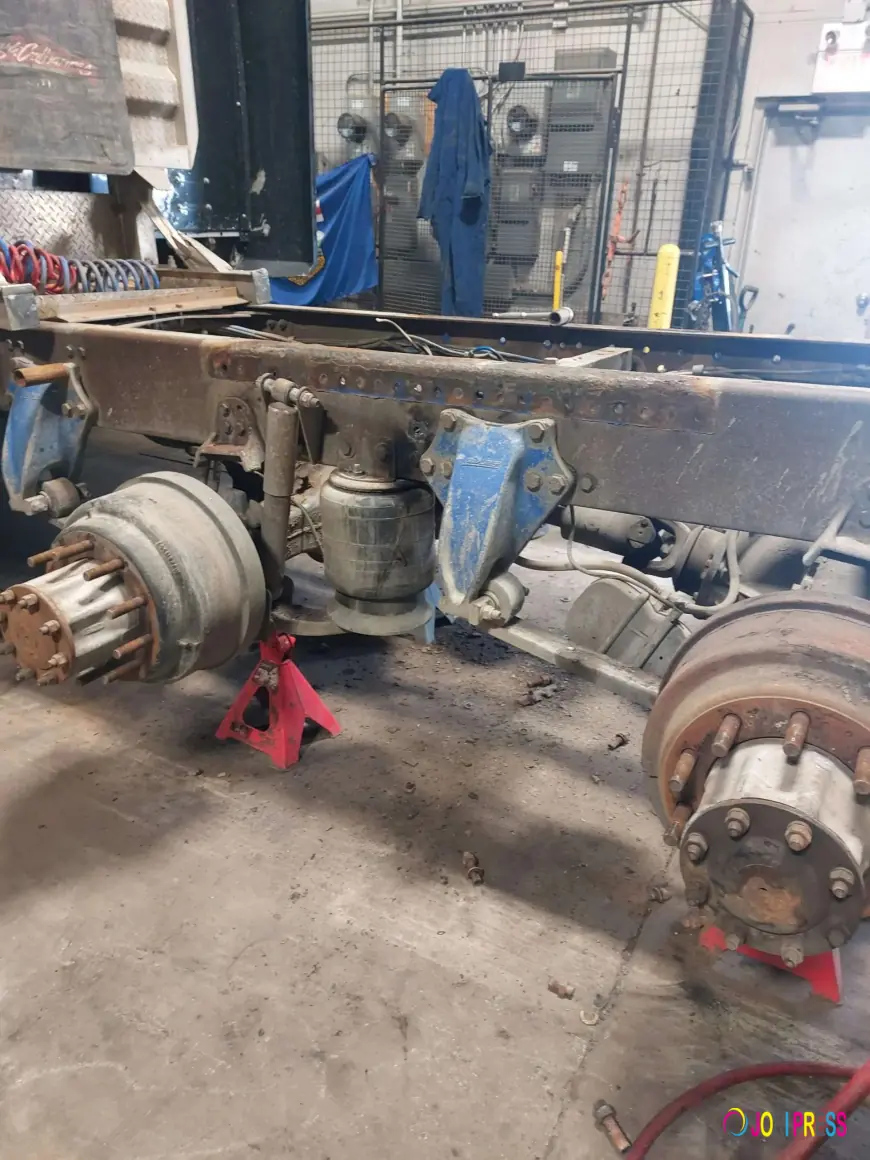
If you’re a Canadian trucker travelling thousands of kilometres across Alberta and beyond, you already know how much your truck depends on its engine. Your rig is not simply a vehicle. It is an important part of your daily work, and when the engine stops working, your schedule and income can be affected too. That is why regular engine maintenance service in Edmonton can play an important role in preventing unexpected failures and expensive repairs.
A diesel engine is built to handle demanding work, but even the toughest engine needs proper care. Long highway runs, heavy loads, cold Canadian mornings, steep grades, and changing road conditions can all contribute to wear over time. Regular maintenance gives you an opportunity to find developing problems before they turn into major engine damage.
Why Is Regular Engine Maintenance So Important in Canada?
Canadian trucks often operate in conditions that can put considerable stress on an engine. In Alberta, a truck may face freezing winter temperatures one day and long highway hauls during warmer months. When the engine regularly works under heavy loads and changing conditions, components can gradually wear even when everything appears to be working normally.
This is why diesel engine maintenance should not only happen when something goes wrong. Oil, filters, coolant, belts, hoses, fuel systems, and other components all play a role in keeping the engine operating properly. When these systems receive regular attention, a technician has a better chance of identifying small problems before they develop into costly failures.
Think about it this way. Would you rather discover a worn component during scheduled maintenance or discover it when your truck is sitting on the side of the highway with a load that still needs to be delivered?
What Happens If You Ignore Engine Warning Signs?
One of the easiest ways to allow a small mechanical problem to become expensive is to ignore the early warning signs. A diesel engine will often show changes before a serious failure occurs. You might hear an unfamiliar knocking sound, notice more exhaust smoke than usual, experience reduced power, or see the engine temperature running higher than normal.
A check engine light or other dashboard warning should also receive attention. It does not always mean that your engine is about to fail, but it does indicate that the vehicle's systems have detected something that may require investigation.
Ignoring these signs can allow an underlying problem to become worse. A cooling-system issue, for example, could eventually contribute to overheating. A fuel-system problem can affect engine performance and efficiency. A lubrication problem can cause serious internal wear if it remains unresolved.
The exact cause depends on the vehicle and symptoms, which is why professional diagnosis is often more useful than simply replacing parts and hoping for the best.
How Can Regular Engine Maintenance Save You Money?
The biggest financial benefit of preventive maintenance is that it can help identify problems while they are still manageable. A routine inspection may reveal a developing leak, worn belt, contaminated fluid, restricted filter, or other issue before it causes a major breakdown.
Regular truck engine maintenance can also help maintain performance and operating efficiency. When an engine receives the appropriate oil, filters, cooling-system care, and other required service, it has a better chance of performing as intended.
There is also the cost of downtime to consider. A major engine failure can involve parts, labour, towing, lost operating time, and potential delays for customers. Even when the repair itself is manageable, the disruption can be expensive for an owner-operator or fleet.
This is why maintenance should be viewed as part of operating a truck rather than simply another expense.
Which Engine Components Need Regular Attention?
A diesel engine contains many components that work together, so maintenance should not focus on one part alone. Engine oil and filtration are particularly important because proper lubrication helps protect internal components from excessive friction and wear.
The cooling system also deserves attention. Radiators, coolant, water pumps, hoses, and related components help control engine temperature. A small coolant leak may seem unimportant at first, but losing coolant can become a serious problem if the engine overheats.
Fuel and air systems are equally important. Filters, injectors, fuel pumps, turbochargers, and intake components all influence combustion and engine performance. If one of these systems develops a problem, you may notice poor acceleration, unusual smoke, increased fuel consumption, or other changes.
Belts and hoses can also deteriorate with age and operating conditions. Replacing a worn component during scheduled maintenance is generally much easier than dealing with a failure during a long haul.
What Are the Warning Signs Your Truck Engine Needs Attention?
Drivers spend more time with their trucks than many technicians do, which means they are often the first people to notice changes. If your engine starts behaving differently, do not dismiss the change simply because the truck still runs.
Unusual engine noises can be an early indication that something needs inspection. Changes in exhaust smoke may also provide useful information, particularly if the smoke is new or continues after the engine reaches normal operating temperature. A noticeable drop in power or fuel economy can also suggest that the engine or one of its supporting systems needs attention.
Oil or coolant leaks should not be ignored either. A small puddle underneath the truck may seem like a minor inconvenience, but the fluid could be coming from a component that needs repair.
And if your truck suddenly sounds different, trust that observation. You know the normal sound and feel of your rig better than anyone who has never driven it.
How Often Should You Service a Heavy-Duty Diesel Engine?
There is no single service interval that applies to every heavy-duty truck. The appropriate schedule depends on the engine manufacturer, truck model, operating conditions, mileage, load, fuel type, and type of work the vehicle performs.
A truck that regularly handles heavy loads, extended highway travel, severe weather, or demanding terrain may require closer attention than a vehicle operating under lighter conditions.
Rather than relying on one universal kilometre number, follow the manufacturer's maintenance recommendations and adjust the maintenance approach when the truck's operating conditions require it.
Regular oil and filter service, inspections of cooling and fuel systems, and checks of belts, hoses, batteries, and other components can help keep developing problems visible.
For commercial operators, scheduled maintenance should also work alongside required vehicle inspections and daily driver checks.
Where Can Canadian Truckers Get Professional Engine Service?
When an engine needs more than routine maintenance, choosing a repair provider with heavy-duty experience is important. Commercial diesel engines are different from passenger-car engines, and diagnosing a heavy-duty powertrain often requires specialized knowledge and diagnostic equipment.
For truck owners and operators in Edmonton, SRB Equipment provides heavy-duty engine repair and diagnostic services. The company works with commercial trucks and provides services ranging from engine diagnostics and repairs to larger engine repair and rebuilding requirements.
Professional diagnosis is particularly important when a truck experiences recurring problems. Fixing the visible symptom without finding the underlying cause may only provide a temporary solution.
Can Regular Maintenance Completely Prevent Engine Failure?
No maintenance plan can guarantee that an engine will never fail. Heavy-duty trucks operate under demanding conditions, and components eventually wear out.
However, regular preventive engine maintenance can reduce the likelihood of avoidable problems and give operators a better opportunity to identify developing issues early. It can also help technicians understand the truck's condition over time.
Maintenance records are useful here because they provide a history of servicing, repairs, recurring issues, and component replacements. This information can help fleet managers and technicians make better decisions about future service.
In other words, maintenance does not make your truck indestructible. It simply gives you a much better chance of dealing with problems while they are still manageable.
How Does Engine Maintenance Help Reduce Expensive Downtime?
For Canadian truckers and fleet operators, the cost of a breakdown is not limited to the repair invoice. A truck that cannot work may miss a delivery, delay a customer, require towing, or force a fleet to rearrange its schedule.
Routine maintenance can help reduce the possibility of unexpected downtime by keeping important engine systems under regular observation. When a technician identifies a developing issue during planned service, the operator can often schedule the repair at a more convenient time.
That is a major difference between planned maintenance and emergency repair. One fits into your schedule. The other tends to create its own schedule.
Why Is Engine Maintenance an Investment Rather Than an Expense?
It is easy to look at an oil change, inspection, or scheduled service and see only the immediate cost. The bigger picture tells a different story.
A well-maintained engine can support reliable operation, help protect valuable components, and potentially extend the useful life of the truck. More importantly, regular maintenance can reduce the chances of small issues developing into larger failures.
For an owner-operator, protecting the engine also means protecting an important business asset. For a fleet manager, consistent maintenance can help keep multiple vehicles available for work.
The goal is not to spend money on maintenance simply because you can. The goal is to spend wisely on maintenance so you can reduce the likelihood of spending far more on emergency repairs later.
What Should You Do If Your Truck Is Already Showing Problems?
If your truck is already showing warning signs such as unusual noises, overheating, reduced power, excessive smoke, fluid leaks, or persistent warning lights, do not wait for the problem to become a complete breakdown.
Start by having the issue properly diagnosed. A technician can inspect the relevant systems and determine whether the problem requires immediate repair or can be addressed through scheduled maintenance.
For Edmonton-area truck owners, SRB Equipment provides heavy-duty truck repair and engine services for commercial vehicles. Getting professional help early can give you more options than waiting until the truck becomes completely inoperable.
Final Thoughts: Take Care of Your Engine, and It Will Take Care of Your Truck
Regular engine maintenance is one of the simplest ways Canadian truck owners can protect their vehicles from avoidable problems. Alberta's weather, long distances, heavy loads, and demanding routes can be tough on diesel engines, making consistent maintenance even more important.
A truck does not need to be broken down before it deserves attention. Routine servicing, inspections, diagnostics, and timely repairs can help identify developing issues and keep your engine working as it should.
If you have been postponing that engine inspection or noticing changes in how your truck runs, take it as a friendly reminder to get it checked. Contact SRB Equipment for professional heavy-duty engine maintenance, diagnostics, and repair services in Edmonton.
Taking care of a small problem today could save you from a much bigger repair bill tomorrow.
What's Your Reaction?
 Like
0
Like
0
 Dislike
0
Dislike
0
 Love
0
Love
0
 Funny
0
Funny
0
 Angry
0
Angry
0
 Sad
0
Sad
0
 Wow
0
Wow
0