




































Electric Scooter: How It Works, Benefits and Running Costs

Electric scooters have become a practical choice for everyday transportation, especially for people looking for an affordable and convenient way to travel short and medium distances. With simple operation, lower running costs, and fewer moving parts than conventional petrol-powered vehicles, electric scooters are changing how people think about daily commuting.
Whether you need a vehicle for office travel, college, shopping, local errands, or regular city rides, an electric scooter can offer a comfortable alternative to traditional two-wheelers. However, choosing the right one requires an understanding of range, battery technology, charging, performance, maintenance, and overall ownership costs.
What Is an Electric Scooter?
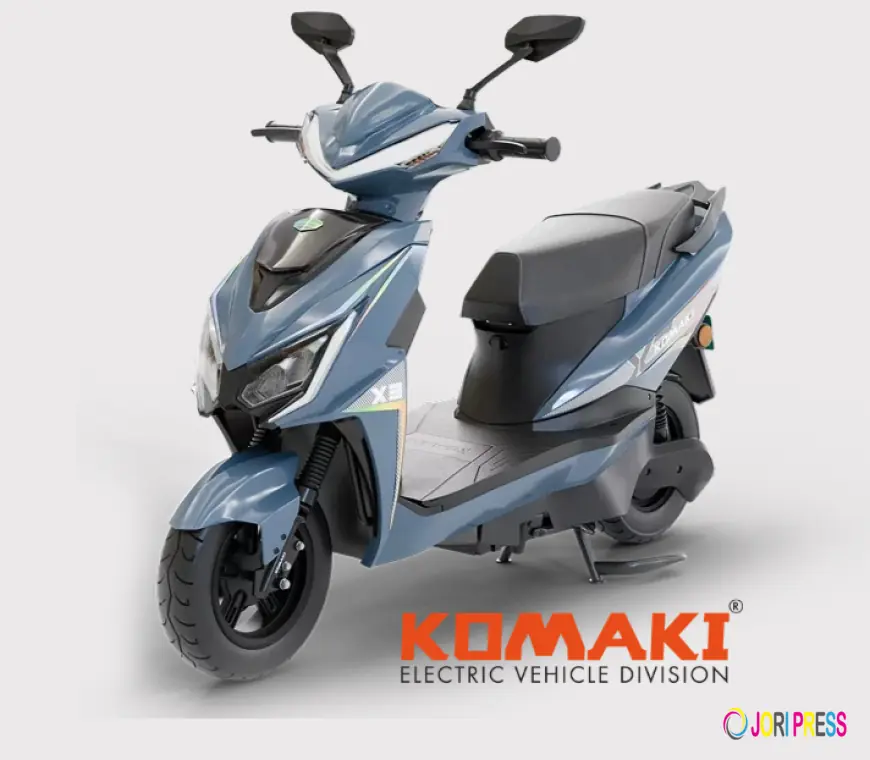
An electric scooter is a two-wheeler powered by electricity stored in a rechargeable battery. Instead of using petrol or diesel, it uses an electric motor to generate movement. The battery supplies power to the motor, while an electronic controller manages the flow of electricity.
Most electric scooters are designed for urban use and focus on easy handling, comfortable seating, practical storage, and efficient energy consumption. Depending on the model and specifications, they can be suitable for short neighbourhood trips or longer daily commutes.
How Does an Electric Scooter Work?
The basic working system of an electric scooter is relatively simple. When the rider uses the accelerator, the controller sends electricity from the battery to the motor. The motor then converts electrical energy into mechanical power, which turns the wheels.
The battery is one of the most important components because it determines how much energy the scooter can store. Charging is usually done by connecting the scooter or its removable battery to a compatible charger and a household electrical outlet.
Many modern electric scooters also include digital displays that show information such as battery level, speed, riding mode, and estimated range.
Battery and Range Matter
Battery capacity is an important factor when choosing an electric scooter. A larger battery can generally store more energy, although actual range also depends on several other factors.
Rider weight, road conditions, traffic, speed, riding style, weather, tyre pressure, and frequent use of high-power modes can all affect range. Therefore, the claimed range should not be treated as the exact distance the scooter will travel in every situation.
For daily commuting, it is better to choose a scooter with enough practical range to cover your regular journey with some reserve. If your daily travel is around 30 kilometres, for example, having additional range can reduce the need for frequent charging.
Charging an Electric Scooter
Charging is one of the biggest differences between an electric scooter and a petrol-powered two-wheeler. Instead of visiting a fuel station, owners can charge their vehicles at home or at suitable charging points.
Charging time varies depending on battery capacity, charger specifications, and the scooter's charging system. Some models can also use removable batteries, allowing the battery to be charged separately.
Before purchasing an electric scooter, check whether your home has a convenient electrical connection for charging. Understanding the charging requirements can make everyday ownership much easier.
Performance and Riding Experience
Electric scooters are generally known for smooth and quiet operation. Electric motors can deliver power quickly, which can make starting from traffic signals and moving through busy city roads convenient.
Different scooters are designed for different types of riders. Some focus on low-speed local travel and efficiency, while others are designed for higher speeds and longer-distance commuting.
Suspension, tyre size, braking system, seating position, wheelbase, and overall weight also influence the riding experience. A scooter that looks impressive on paper may not necessarily be comfortable for every rider, so practical usability should be considered before making a decision.
Maintenance Requirements
Electric scooters usually have fewer mechanical components than petrol-powered vehicles. They do not require regular engine oil changes, spark plug replacements, or many of the maintenance procedures associated with internal combustion engines.
However, they still require proper care. Tyres, brakes, suspension components, lights, electrical connections, and other wear items need periodic inspection. Battery health is particularly important because the battery is one of the most valuable components of an electric scooter.
Following the manufacturer's recommended charging and storage practices can also help maintain battery performance over time.
Running Cost and Everyday Savings
One of the main reasons people consider electric scooters is their potentially lower running cost. Electricity used for charging can cost less than the fuel required to travel the same distance on a conventional petrol scooter.
The actual savings depend on electricity tariffs, petrol prices, energy efficiency, riding conditions, and annual usage. Regular commuters who travel significant distances may notice greater savings over time.
Insurance, maintenance, tyres, charging equipment, and other ownership expenses should also be included when calculating the total cost of ownership.
Is an Electric Scooter Right for You?
An electric scooter can be a suitable choice if most of your travel takes place within cities or nearby areas and you have convenient access to charging. It can work particularly well for daily commuting, local shopping, college travel, and regular short-distance journeys.
Before buying one, consider your average daily distance, required range, charging access, riding conditions, passenger requirements, storage needs, safety features, and budget.
The best electric scooter is not necessarily the one with the highest claimed range or the most features. It is the one that matches your everyday travel requirements and remains practical throughout its ownership.
Conclusion
Electric scooters offer a simpler and potentially more economical approach to everyday mobility. Their quiet operation, electric powertrain, convenient charging, and lower routine maintenance requirements make them increasingly relevant for modern urban transportation.
As battery technology and charging infrastructure continue to improve, electric scooters are likely to become an even more practical option for everyday riders. Understanding your travel needs and comparing the important specifications carefully can help you choose an electric scooter that fits your lifestyle and budget.
What's Your Reaction?
 Like
0
Like
0
 Dislike
0
Dislike
0
 Love
0
Love
0
 Funny
0
Funny
0
 Angry
0
Angry
0
 Sad
0
Sad
0
 Wow
0
Wow
0