









































What Is a Good Hashrate for Dogecoin Mining and Is It Still Profitable?
Wondering what a good hashrate for Dogecoin is and if mining is still profitable? Learn the math behind ASIC hardware, cloud mining, and your true earnings.
If you have ever stared at a crypto calculator and wondered how people actually make money mining Dogecoin, you are not alone. Between flashy claims of making thousands of dollars a day and the complicated reality of hardware specs, it is easy to get overwhelmed.
Can you really start a miner and pull in massive daily returns? What kind of hashrate do you actually need? And how do cloud mining earnings stack up against owning physical hardware? Let’s break down the math, separate the hype from reality, and look at how tools like the ValueHash Dogecoin Mining Calculator can help you figure out your true bottom line.
Understanding Dogecoin Mining and the Scrypt Algorithm
Before looking at numbers, we need to clear up a common misconception about how Dogecoin is mined. You cannot mine Dogecoin on a regular home computer, a laptop, or a smartphone. Dogecoin relies on the Scrypt algorithm, which requires specialized hardware known as an Application-Specific Integrated Circuit (ASIC).
Furthermore, Dogecoin is merge-mined with Litecoin. This is a crucial detail. When you point a Scrypt ASIC at a compatible pool, you aren't just earning Dogecoin you are mining Litecoin and Dogecoin simultaneously at full hashrate without burning any extra electricity. In most setups, the combined rewards of both tokens determine whether your operation turns a profit.
What Is a Good Hashrate for Dogecoin Mining?
When evaluating hardware, hashrate measures how many hashes your machine can calculate per second, usually expressed in Gigahashes per second (GH/s) or Megahashes per second (MH/s).
So, what constitutes a "good" hashrate in today’s competitive market?
-
Entry-Level / Home Rigs: Smaller devices or older units might output anywhere from 2 GH/s to 6 GH/s (such as compact or prosumer models like the Fluminer series). These can be fun to run or manage in a home setting if electricity costs are low, but their daily token yield is modest.
-
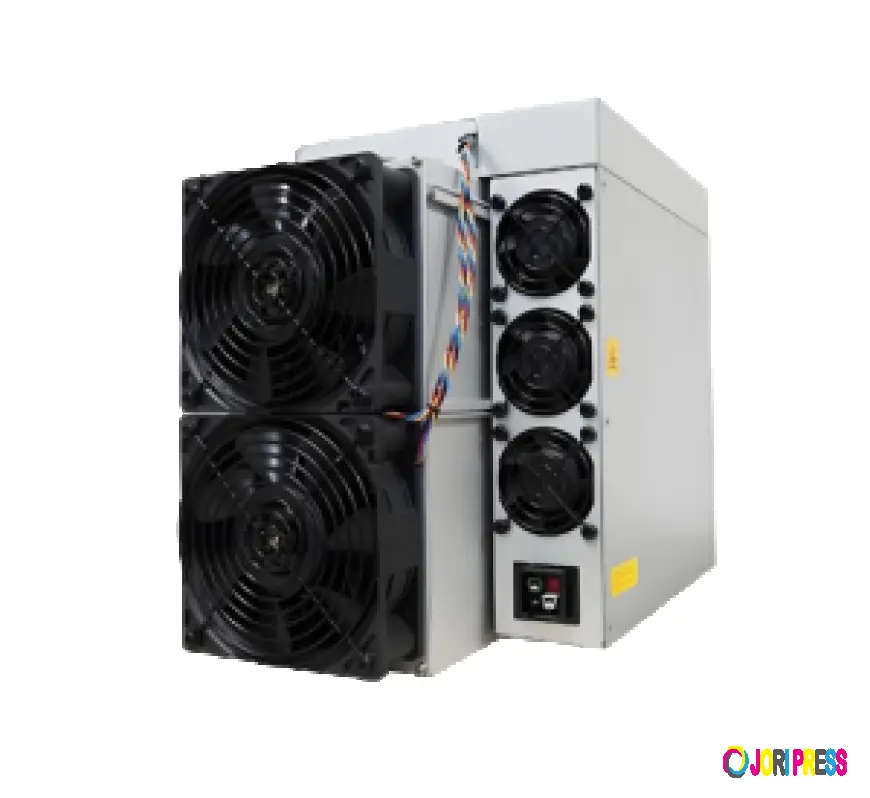
Industrial-Grade Powerhouses: Top-tier commercial hardware such as the Bitmain Antminer L9 series delivers a massive hashrate ranging from 16 GH/s to 17 GH/s (and newer iterations pushing even higher).
However, raw hashrate isn't everything. The hidden metric that separates profitable miners from expensive paperweights is efficiency, measured in Joules per Megahash (J/MH). Two machines might have similar hash outputs, but if one consumes significantly less power to get there, your electricity bill won't wipe out your earnings.
The Reality of Dogecoin Cloud Mining Earnings
Because buying, housing, and cooling industrial ASIC rigs can be intimidating, many beginners look toward cloud mining. Cloud mining lets you rent hashing power from remote data centers instead of managing physical hardware.
While it sounds convenient, you need to approach cloud mining with open eyes:
-
How Earnings Are Calculated: Your daily returns depend on the amount of hashrate you rent, current network difficulty, pool or platform maintenance fees (usually taking 5% to 10% off the top), and the live market price of DOGE.
-
The Catch: Promissory claims like turning a minor budget into thousands of dollars a day rarely reflect sustainable math. Cloud mining providers must factor facility overhead, equipment depreciation, and service margins into your contract. Always use verified, transparent platforms, and run the numbers through a reliable tool like a mining calculator before locking in long-term contracts.
Dogecoin Mining Profitability: What Decides Your Bottom Line?
Can you still make a profit mining Dogecoin? Yes, but it is conditional. Profitability boils down to four main pillars:
-
Your Electricity Rate: This is the single biggest factor. If you are paying standard residential rates (around $0.10 to $0.12+ per kWh), your power bill will likely swallow your mining revenue. Ideal profitability usually requires industrial or commercial power rates sitting below $0.07 to $0.08 per kWh.
-
Hardware Efficiency: As global network difficulty climbs, older and less efficient machines quickly cross the threshold into unprofitability. Modern, energy-efficient ASICs keep your overhead low.
-
Combined Token Pricing: Because of merge mining, your revenue fluctuates based on the market movements of both Dogecoin and Litecoin. When market sentiment rises, margins widen dramatically.
-
Network Difficulty: As more miners plug in powerful hardware, the network adjusts, making each hash slightly less productive over time.
How to Calculate Your Potential Returns
Before spending capital on hardware or cloud contracts, guessing is a recipe for losing money. This is where tools like the Dogecoin Mining Calculator become essential.
By plugging in your specific variables such as your hardware's exact hashrate, power consumption in watts, local electricity cost per kWh, and current pool fees the calculator cuts through the noise. It gives you a clear, realistic projection of your daily, monthly, and yearly earnings so you can make an informed decision rather than relying on internet hype.
Final Thoughts
Dogecoin mining is an interesting space, blending high-energy digital assets with traditional industrial logic. Whether you are eyeing physical Scrypt ASICs or exploring cloud contracts, success depends on meticulous math rather than wishful thinking. Check your local power rates, evaluate your hardware's efficiency, and always run a live calculation before making your move.
What's Your Reaction?
 Like
0
Like
0
 Dislike
0
Dislike
0
 Love
0
Love
0
 Funny
0
Funny
0
 Angry
0
Angry
0
 Sad
0
Sad
0
 Wow
0
Wow
0