




































Does Rayon Linen Blend Fabric Complement Sheer Materials in Layered Event Decorations?

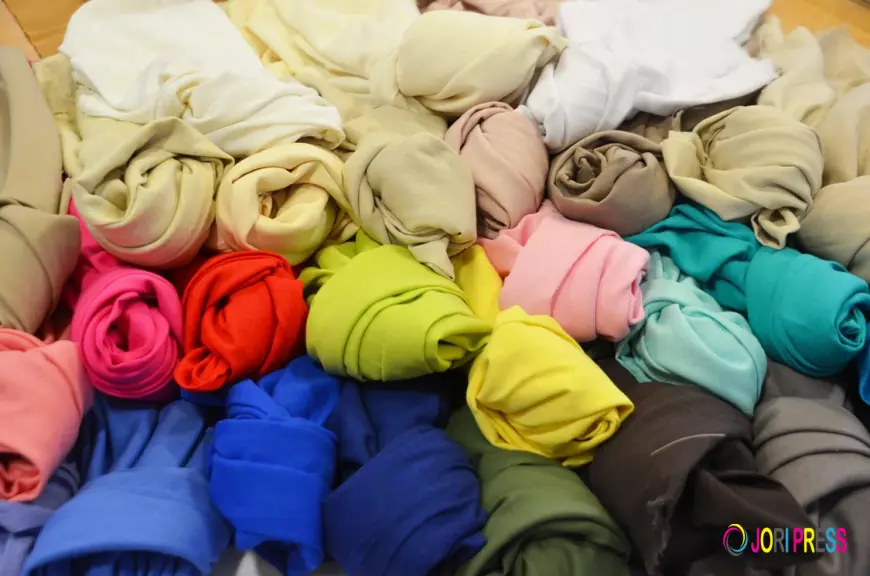
Layered decorations can make an event space feel more inviting and visually interesting. Sheer materials such as chiffon, organza, and voile add softness, but using them alone may leave a setup looking too light or unfinished. Adding a fabric with more body can help balance the design. A rayon linen blend fabric is worth considering because it can bring a mix of texture, softness, and a more grounded appearance to decorative arrangements.
For an event planner, the main advantage of combining different fabric types is the chance to create depth without overcrowding the venue. A blend with a linen-like texture can provide a visual contrast to flowing sheer layers. The result depends on the fabric's weight, weave, color, and finish, but the combination can work well across many event styles.
Why Layered Fabric Decorations Need Different Textures
Using several fabrics in one decoration helps create a more complete look. Each material brings its own qualities to the arrangement. Sheer fabrics allow light to pass through and create soft folds, while denser materials can add structure and help define different areas.
A sheer ceiling drape, for instance, may look more balanced when paired with a textured fabric along the edges. Similarly, a backdrop made entirely of lightweight material can benefit from a solid panel or decorative border.
Texture matters just as much as color. Pairing a smooth fabric with a slightly textured one creates contrast without requiring bold patterns. This is where a rayon and linen blend can be useful. Its surface may offer a more natural look than glossy decorative fabrics, depending on its construction.
How Rayon Linen Blends Balance Sheer Materials
Rayon is known for its soft feel and drape, while linen is valued for its natural texture and relaxed appearance. A blend combines aspects of both fibers, although the final characteristics depend on the proportions and fabric construction.
Compared with very lightweight sheer materials, some rayon-linen blends have more visual weight. This makes them useful for decorative panels, table accents, and fabric borders. They can help anchor a design while chiffon or organza adds movement around them.
The contrast does not need to be dramatic. A neutral blend paired with ivory organza can create a soft, understated look for a wedding reception. On the other hand, a deeper shade combined with sheer fabric in a similar color can add depth to a formal stage backdrop.
Styling Ideas for Wedding and Reception Décor
Weddings offer plenty of opportunities to mix textured and sheer materials. The combination can work across several parts of the venue, as long as the fabrics follow a consistent color scheme.
Ceiling draping: Lightweight sheer fabric can be arranged across the ceiling to create a soft, flowing effect. A rayon-linen blend can be used for selected borders or decorative sections to give the arrangement more definition. However, heavier fabric should only be used with suitable support systems.
Stage backdrops: Sheer panels can frame the stage, while a textured center section creates a clear focal point. This arrangement works well when the couple's seating area or ceremony space needs to stand out without using too many decorative objects.
Table styling: A textured table runner can add contrast to a plain tablecloth. Sheer overlays or fabric accents can soften the look, especially for formal dinners and outdoor receptions.
Chair decorations: Rather than covering every chair with heavy material, designers can use simple fabric accents with lighter decorative ties. This keeps the seating arrangement neat while connecting it to the rest of the venue.
Creating Different Looks With Color and Light
Color can change how two fabrics work together. Soft shades such as beige, ivory, sage, and dusty rose can create a relaxed setting. These tones are often suitable for garden weddings, daytime celebrations, and intimate gatherings.
For evening events, deeper colors such as navy, wine, forest green, and charcoal can make the décor feel more dramatic. Sheer overlays in lighter or matching shades can soften the overall appearance.
Lighting also plays a part. Sheer materials allow light to pass through, creating a gentle glow when placed near suitable lighting. A more opaque fabric can provide contrast and help prevent the entire backdrop from looking transparent. Before finalizing the setup, decorators should test fabric samples under the venue's lighting. Some colors may appear quite different under warm or cool lights.
Choosing the Right Rayon Fabric for Event Projects
Not every rayon fabric has the same weight, surface, or drape. Some versions are fluid and lightweight, while others have a firmer feel. Therefore, the intended use should guide the selection.
When comparing rayon fabric, check its fiber content, weave, width, and care instructions. The linen percentage can also affect the texture and appearance. A blend with a higher linen content may have a more noticeable natural texture, while a higher rayon content may feel softer and drape differently.
It is also useful to request samples before ordering a large quantity. Touching the material and seeing how it falls can help designers decide whether it will work with the selected sheer fabrics.
Planning Yardage for Layered Decorations
Accurate fabric measurements can prevent shortages during event setup. The required amount depends on the dimensions of the space, the number of decorative layers, and the fullness of the folds.
Buying rayon fabric by the yard can be useful for projects that need custom lengths or several separate decorative pieces. Designers can measure each area individually and include extra material for hems, seams, overlaps, and draping effects.
Pattern direction and fabric width should also be checked before cutting. If several panels are needed, consistent measurements can help maintain a neat appearance throughout the venue. For large installations, it is wise to prepare a layout before ordering the material.
Care and Installation Considerations
Decorative fabrics need proper handling before and during an event. Rayon blends may wrinkle or respond differently to washing depending on their fiber content and finish. Always follow the supplier's care instructions, and test a small sample before steaming or cleaning the material.
Installation requires equal attention. Sheer fabrics may be lightweight, but layered arrangements can still place pressure on their supports. Secure all panels properly and follow the venue's fire-safety rules. Where required, use fabrics with suitable flame-retardant documentation.
Bringing Texture and Softness Together
A rayon-linen blend can complement sheer materials by adding texture and visual weight to layered event decorations. The softer drape associated with rayon can work alongside the more natural look of linen, while chiffon and organza bring lightness and movement.
The key is to choose materials that serve different purposes. Use sheer fabrics to create flow, textured blends to add definition, and a coordinated color palette to connect the arrangement. With thoughtful fabric selection and careful installation, event decorators can create settings that feel balanced, elegant, and welcoming.
What's Your Reaction?
 Like
0
 Dislike
0
 Love
0
 Funny
0
 Angry
0
 Sad
0
 Wow
0