



































Diabetic Foot Wound Infection: Prevention and Recovery Guide
Understanding the warning signs, following proper diabetic wound care, and seeking timely treatment are essential for promoting healthy wound healing and protecting long-term health.

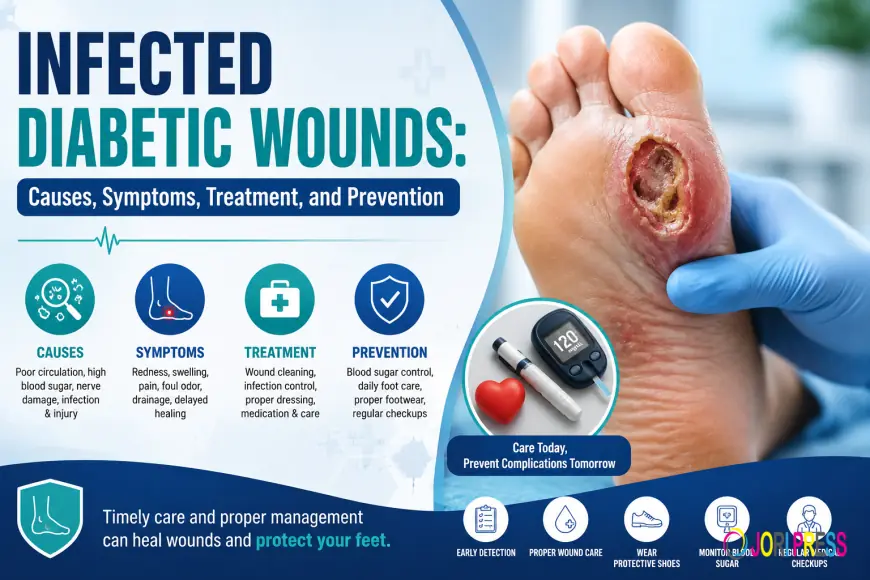
Diabetes affects the body's ability to heal wounds efficiently, making even minor cuts or blisters vulnerable to infection. An infected diabetic wound can progress rapidly if left untreated, increasing the risk of severe complications such as diabetic foot ulcers, tissue damage, or even amputation. Understanding the warning signs, following proper diabetic wound care, and seeking timely treatment are essential for promoting healthy wound healing and protecting long-term health.
What Is an Infected Diabetic Wound?
An infected diabetic wound occurs when bacteria or other harmful microorganisms enter an open wound and multiply, causing inflammation and delaying the natural healing process. People with diabetes are particularly susceptible because high blood sugar levels reduce circulation, weaken the immune system, and damage nerves. As a result, small injuries may go unnoticed and become infected before treatment begins.
Prompt diabetic wound treatment is essential to prevent infection from spreading to deeper tissues.
Why Are Diabetic Wounds More Likely to Become Infected?
Several factors contribute to infection in diabetic wounds:
-
Poor blood circulation
-
Elevated blood glucose levels
-
Reduced immune response
-
Peripheral neuropathy (loss of sensation)
-
Dry and cracked skin
-
Delayed wound healing
-
Repeated pressure on the feet
-
Poor foot hygiene
These conditions create an environment where bacteria can easily grow and slow the body's natural wound healing process.
Common Symptoms of an Infected Diabetic Wound
Recognizing infection early is critical for successful recovery. Common symptoms include:
-
Increasing redness around the wound
-
Swelling that worsens over time
-
Persistent or severe pain
-
Warm skin surrounding the wound
-
Yellow, green, or cloudy drainage
-
Foul odor
-
Delayed healing
-
Fever or chills in severe infections
-
Black or dead tissue
-
Expanding wound size
If these symptoms appear, immediate diabetic wound care is recommended.
How Infection Affects Wound Healing
Healthy wound healing follows a structured process that includes inflammation, tissue growth, and skin remodeling. Infection interrupts these stages by increasing inflammation and damaging newly formed tissue.
Without proper infected diabetic wound treatment, healing becomes significantly slower, increasing the risk of chronic wounds and deeper tissue damage. Early intervention improves recovery while preventing complications.
Importance of Proper Diabetic Wound Care
Effective diabetic wound care is essential for controlling infection and supporting tissue repair.
A proper wound care routine includes:
-
Cleaning the wound gently
-
Applying appropriate wound dressing
-
Keeping the wound protected
-
Monitoring for changes
-
Controlling blood sugar
-
Avoiding pressure on the wound
-
Maintaining skin hygiene
-
Attending regular medical check-ups
Consistent wound management creates the best environment for healing.
Role of Wound Dressing
Choosing the correct wound dressing plays an important role in treating infected diabetic wounds.
Quality wound dressings help:
-
Protect against bacteria
-
Maintain moisture balance
-
Absorb excess drainage
-
Reduce contamination
-
Promote tissue regeneration
-
Improve patient comfort
Different wounds require different dressing types depending on drainage, wound depth, and infection severity.
Blood Sugar Management and Wound Healing
Blood sugar control directly affects diabetic wound healing.
High glucose levels:
-
Slow tissue repair
-
Increase bacterial growth
-
Reduce circulation
-
Weaken immune function
-
Delay collagen production
Maintaining healthy blood sugar levels significantly improves healing outcomes and lowers the risk of recurrent infections.
Nutrition for Faster Recovery
Good nutrition supports the body's ability to fight infection and repair damaged tissue.
Essential nutrients include:
-
Protein
-
Vitamin C
-
Vitamin A
-
Zinc
-
Iron
-
Omega-3 fatty acids
-
Adequate water intake
Balanced nutrition strengthens immunity while supporting healthy skin regeneration.
Preventing Diabetic Wound Infections
Preventive care is the best strategy for avoiding serious complications.
Daily preventive measures include:
-
Inspect feet every day
-
Wash and dry feet carefully
-
Moisturize dry skin
-
Wear comfortable footwear
-
Avoid walking barefoot
-
Trim nails carefully
-
Monitor blood sugar
-
Treat small cuts immediately
-
Attend regular diabetic foot examinations
Early prevention significantly reduces infection risks.
When to Seek Medical Attention
Medical evaluation is necessary if a diabetic wound shows:
-
Increasing redness
-
Spreading swelling
-
Thick yellow or green drainage
-
Persistent foul odor
-
Fever
-
Severe pain
-
Black tissue
-
Rapid wound enlargement
-
Delayed healing despite treatment
Prompt professional care helps prevent serious complications.
Advanced Diabetic Wound Care
Some infected wounds require advanced treatment approaches to support healing.
These may include:
-
Professional wound cleaning
-
Specialized wound dressings
-
Infection management
-
Pressure relief
-
Regular wound monitoring
-
Blood sugar optimization
Early intervention often results in faster recovery and better long-term outcomes.
Long-Term Foot Care for People with Diabetes
Maintaining healthy feet remains essential even after wounds heal.
Individuals should continue:
-
Daily foot inspections
-
Proper footwear selection
-
Good hygiene
-
Blood sugar management
-
Healthy nutrition
-
Routine medical check-ups
-
Immediate care for new injuries
Long-term prevention greatly reduces the likelihood of future wound infections.
Conclusion
An infected diabetic wound requires immediate attention to prevent serious complications and promote healthy wound healing. Early recognition of symptoms such as redness, swelling, drainage, pain, and delayed healing allows timely treatment before the infection worsens. Consistent diabetic wound care, proper wound dressing, blood sugar management, balanced nutrition, and routine foot inspections all contribute to successful recovery. By following preventive measures and seeking professional care when necessary, individuals with diabetes can significantly reduce infection risks while maintaining healthy feet and improving their overall quality of life.
What's Your Reaction?
 Like
0
Like
0
 Dislike
0
Dislike
0
 Love
0
Love
0
 Funny
0
Funny
0
 Angry
0
Angry
0
 Sad
0
Sad
0
 Wow
0
Wow
0