







































Designing Safer Tunnels with Advanced Fire Protection Systems
Tunnels are a critical part of modern transportation and infrastructure. They connect cities

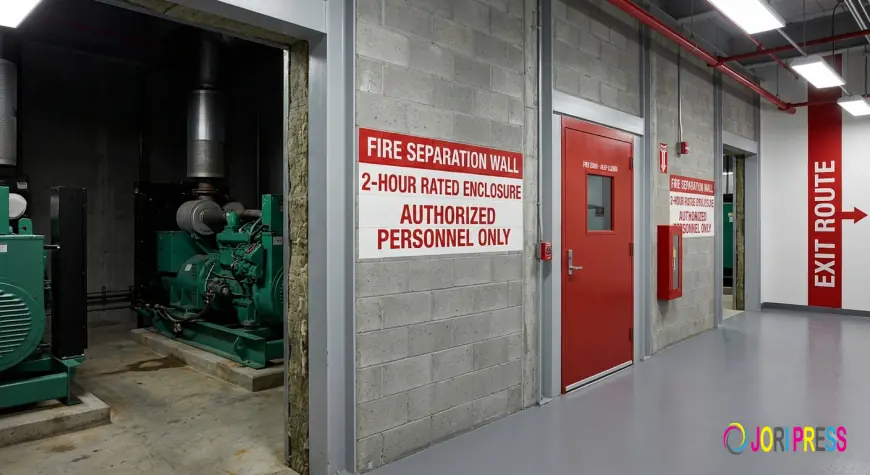
Tunnels are a critical part of modern transportation and infrastructure. They connect cities, support railway networks, enable underground roadways, and provide essential routes through difficult terrain. However, their enclosed structure creates unique fire-safety challenges. Limited access, restricted ventilation, high temperatures, and the potential for rapid smoke movement can make tunnel fires particularly difficult to manage.
For this reason, tunnel fire protection systems should be considered an essential part of tunnel design, construction, and maintenance. A well-planned fire protection strategy combines active systems with passive measures to protect people, structural elements, and critical infrastructure.
Understanding Tunnel Fire Risks
A fire inside a tunnel can develop differently from a fire in an open environment. Heat and smoke may become concentrated, while emergency personnel can face difficulties reaching the affected area. Depending on the tunnel's purpose, additional risks may come from vehicles, electrical equipment, railway systems, cables, machinery, or other infrastructure.
The consequences can include:
- High-temperature exposure to structural elements
- Smoke accumulation and reduced visibility
- Damage to electrical and communication systems
- Disruption of transportation services
- Difficulties during evacuation
- Potential structural deterioration
Understanding these risks is the first step toward developing effective underground tunnel fire protection.
The Importance of Tunnel Fire Protection Systems
A tunnel fire protection system is not necessarily a single product or technology. It can include multiple layers of protection designed to work together.
Active fire protection may include fire detection, alarm systems, water-based suppression, hydrants, and smoke-control systems. These measures are designed to detect and respond to fire conditions.
Passive fire protection provides another layer of safety. It helps protect structural and service components from fire exposure without requiring activation.
Combining these approaches can help reduce the potential impact of a fire and provide additional time for evacuation, emergency response, and firefighting operations.
Tunnel Passive Fire Protection
Tunnel passive fire protection is particularly important because structural components can be exposed to extreme temperatures during a tunnel fire.
Concrete, steel, cable systems, joints, penetrations, and other components may require specific protection depending on the tunnel's construction and fire-resistance requirements.
Passive protection can help:
- Maintain structural stability during fire exposure
- Protect critical infrastructure
- Limit the movement of fire and heat
- Protect vulnerable services
- Support compartmentation
- Provide additional time for emergency response
The appropriate protection method depends on the construction materials, tunnel configuration, expected fire conditions, environmental exposure, and required fire-resistance performance.
Railway Tunnel Fire Protection
Railway and metro tunnels require particular attention because they can contain large numbers of passengers as well as complex electrical and mechanical systems.
Railway tunnel fire protection should consider both passenger safety and infrastructure resilience. Railway tunnels may contain signalling equipment, power cables, communication systems, emergency lighting, ventilation equipment, and other critical services.
Protecting these systems can be important during an emergency. If essential infrastructure remains operational for the required period, it can support evacuation, communication, ventilation, and emergency response.
Fire protection planning should therefore account for the tunnel structure and the infrastructure installed within it.
Protecting Structural Components
One of the main objectives of passive fire protection is to reduce the effects of high temperatures on structural components.
Steel can lose significant strength when exposed to elevated temperatures, while concrete can experience cracking, spalling, and other forms of deterioration under severe fire conditions.
Suitable fire-resistant systems can be designed to protect vulnerable areas and help maintain the required performance of structural elements during fire exposure.
Protection should be selected according to the specific application rather than using a one-size-fits-all approach.
Protecting Cables and Critical Services
Modern tunnels depend heavily on electrical and communication infrastructure. Cables may control lighting, ventilation, signalling, communications, monitoring equipment, and other essential systems.
Fire-resistant cable protection can help reduce damage caused by heat and flames. Fire stopping can also be used around service penetrations to prevent fire and smoke from passing through openings in fire-rated barriers.
These measures become particularly important where cables or services pass between different protected zones.
Compartmentation in Tunnel Design
Compartmentation can form an important part of a comprehensive tunnel fire strategy. The objective is to control the movement of fire, smoke, and heat by dividing areas or protecting openings and interfaces where required.
Properly designed fire barriers and fire stopping systems can help maintain the intended fire resistance of protected sections.
This requires careful attention to joints, penetrations, access points, cable routes, and other areas where gaps may occur. Even a small unprotected opening can compromise the performance of a fire-rated assembly.
Designing Protection for New and Existing Tunnels
Fire protection should ideally be considered during the early design stages of a new tunnel. Early planning makes it easier to coordinate structural protection, cable routes, ventilation, compartmentation, access, and other safety requirements.
Existing tunnels present additional challenges. Protection may need to be installed around operational infrastructure, restricted spaces, existing cables, ventilation equipment, and other obstacles.
A detailed assessment can help identify vulnerable areas and determine where additional protection may be necessary.
Inspection and Maintenance Matter
Installing fire protection is only one part of tunnel safety. Protection systems should also be inspected and maintained throughout the operational life of the tunnel.
Damage caused by construction activities, maintenance work, moisture, vibration, mechanical impact, or modifications can affect the performance of fire protection systems.
Regular inspections can help identify damaged or compromised areas so that appropriate corrective measures can be taken.
Building a Comprehensive Fire Safety Strategy
Effective tunnel fire protection requires coordination between structural engineering, fire safety, electrical systems, mechanical services, emergency planning, and maintenance.
A comprehensive approach should consider:
- Fire risk assessment to understand potential fire scenarios.
- Structural fire protection for vulnerable construction elements.
- Service protection for critical cables and equipment.
- Compartmentation and fire stopping to control fire and smoke movement.
- Detection and suppression to support rapid response.
- Smoke management to improve emergency conditions.
- Inspection and maintenance to preserve long-term performance.
Conclusion
Designing safer tunnels requires more than installing individual fire protection products. It requires a coordinated strategy that considers the tunnel structure, services, occupants, emergency response, and operating environment.
From tunnel fire protection systems and underground tunnel fire protection to railway tunnel fire protection and tunnel passive fire protection, each layer contributes to overall resilience.
By incorporating appropriate fire protection during design, construction, refurbishment, and maintenance, tunnel operators and infrastructure stakeholders can improve fire resistance, protect critical assets, and create safer environments for the people who depend on these essential transportation networks.
What's Your Reaction?
 Like
0
Like
0
 Dislike
0
Dislike
0
 Love
0
Love
0
 Funny
0
Funny
0
 Angry
0
Angry
0
 Sad
0
Sad
0
 Wow
0
Wow
0