









































DDA Lift Rules for Delhi Homes: Complete Guide to Safe Elevator Installation

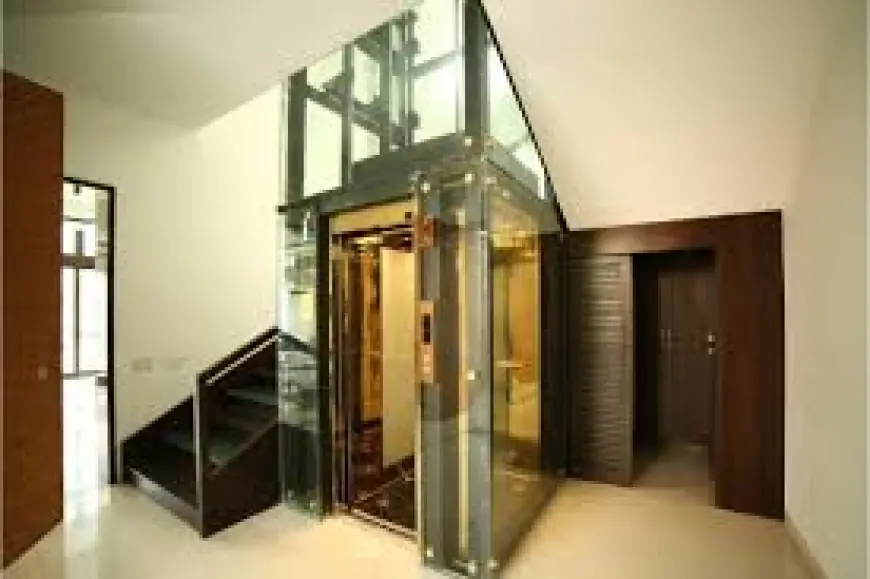
With the rising demand for comfortable and accessible living, home elevators are becoming increasingly popular in Delhi. Many residents living in DDA flats, builder floors, and independent houses are installing lifts to improve convenience and mobility. However, before beginning any elevator project, understanding the latest DDA lift rules is essential for safe and legal installation.
Lift installation is not just about adding luxury to a property. It also involves structural planning, electrical safety, and government approvals. Following proper regulations helps avoid legal complications, project delays, and future safety concerns.
What Are DDA Lift Rules?
DDA lift rules are the regulations and guidelines related to lift installation under the Delhi Development Authority and local municipal bodies. These rules are designed to ensure that elevators are installed safely without affecting the building structure, common areas, or emergency exits.
The rules generally apply to:
- DDA flats
- Builder floors
- Independent houses
- Apartment complexes
- Housing societies
- Commercial properties
The main objective is to maintain safety standards and ensure smooth building operations.
Why DDA Lift Rules Are Important
Installing a lift without proper approvals or planning may create serious issues in the future. Authorities may stop the project, reject approvals, or impose penalties if installation guidelines are ignored.
Following DDA lift rules offers several benefits:
- Improved structural safety
- Legal compliance
- Better elevator performance
- Increased property value
- Reduced maintenance issues
- Safe operation for residents
For older buildings in Delhi, structural assessment becomes especially important before installation.
Is Permission Required for Lift Installation?
Yes, permissions are usually required before installing a lift in residential or commercial buildings. Since elevators involve civil work and electrical modifications, local authorities may require proper approvals.
Depending on the property type, permissions may include:
- DDA approval
- Municipal corporation permission
- Structural engineer certification
- Resident Welfare Association approval
- Fire department clearance
Experienced lift companies often assist property owners with the approval and documentation process.
Structural Safety Requirements
One of the most important DDA lift rules is structural inspection. Before installation begins, a qualified structural engineer should evaluate the building to confirm whether it can safely support the elevator system.
The structural inspection generally includes:
- Building load-bearing analysis
- Shaft placement planning
- Foundation strength evaluation
- Wall safety assessment
- Reinforcement requirements
Older DDA flats may require additional strengthening work before lift installation can proceed safely.
Space Requirements for Home Elevators
Every elevator system requires sufficient space for smooth operation and maintenance.
Important space-related considerations include:
- Lift shaft dimensions
- Pit depth
- Overhead clearance
- Entry and exit area
- Machine room requirement
Machine-room-less (MRL) lifts are highly preferred in Delhi because they require less space and are suitable for compact residential buildings.
DDA Lift Rules for Builder Floors
Builder floors in Delhi frequently install private lifts for convenience and luxury living. However, installation must follow approved building regulations.
Important guidelines include:
- Common access areas should remain open
- Emergency exits should not be blocked
- Structural modifications must be approved
- Safety systems should meet standards
- Proper electrical installation is necessary
Hydraulic lifts and compact home elevators are commonly used because they fit easily into limited spaces.
Fire Safety Compliance
Fire safety is an essential part of DDA lift rules. Elevator systems should not interfere with emergency evacuation routes or fire exits.
Modern lifts generally include:
- Automatic rescue devices
- Emergency alarm systems
- Backup power supply
- Fire-resistant doors
- Overload protection systems
Commercial properties may require additional fire safety approvals depending on occupancy and building height.
Electrical Safety Standards
Lift systems involve advanced electrical components, making electrical safety extremely important for reliable operation.
Key electrical requirements include:
- Proper earthing system
- Dedicated power supply
- Emergency backup connection
- Safe wiring installation
- Voltage protection systems
Professional installation ensures compliance with Indian electrical safety standards and improves long-term elevator performance.
Best Lift Types for Delhi Homes
Different elevator systems are available depending on the building structure and user requirements.
Hydraulic Lifts
Hydraulic elevators are suitable for:
- Low-rise residential buildings
- Smooth and quiet operation
- Compact installation spaces
MRL Lifts
Machine-room-less lifts provide:
- Space-saving design
- Energy-efficient performance
- Modern appearance
Gearless Home Elevators
Gearless elevators are ideal for:
- Luxury homes
- Silent operation
- Advanced technology
Choosing the right lift depends on available space, budget, and daily usage requirements.
Common Challenges During Lift Installation
Property owners may face several issues during lift installation if planning is not done properly.
Common challenges include:
- Limited installation space
- Structural limitations
- Delayed approvals
- Neighbor objections
- Poor installation quality
Hiring an experienced elevator company can help reduce these problems and ensure smoother project completion.
Benefits of Installing a Home Elevator
Installing a lift offers several long-term advantages for residential properties.
Better Accessibility
Elevators make movement easier for elderly family members and people with mobility challenges.
Increased Property Value
Lift-equipped homes often attract higher resale value in Delhi’s property market.
Improved Comfort
Daily movement between floors becomes easier and more convenient.
Modern Lifestyle Upgrade
A stylish elevator improves both luxury and functionality in modern homes.
Conclusion
Understanding DDA lift rules is essential before starting any elevator installation project in Delhi. Proper approvals, structural inspections, fire safety compliance, and electrical standards help ensure safe and legal lift operation.
Whether you are installing a lift in a DDA flat, builder floor, or commercial building, following the correct guidelines can improve safety, convenience, and long-term property value.
Working with a trusted elevator company experienced in Delhi regulations can make the entire installation process smoother, safer, and more efficient.
What's Your Reaction?
 Like
0
Like
0
 Dislike
0
Dislike
0
 Love
0
Love
0
 Funny
0
Funny
0
 Angry
0
Angry
0
 Sad
0
Sad
0
 Wow
0
Wow
0