







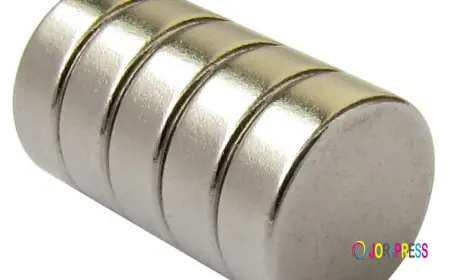

































Customized Magnetism Shoe and Household Appliances Magnetic Tiles MagneticSegment


In modern manufacturing, magnetic components can support specialized functions across footwear accessories, household equipment, and compact assemblies. A customized magnetism shoe can be developed around particular magnetic requirements, structural dimensions, and installation conditions, while household appliances magnetic tiles can help manufacturers integrate magnetic functions into selected appliance designs. When a customized magnetism shoe is planned alongside the principles used for household appliances magnetic tiles, designers can compare different approaches to component geometry, material compatibility, and product integration. Understanding these considerations helps purchasing teams and engineers identify practical solutions for specific manufacturing needs.
Match Magnetic Components to Their Intended Functions
Every magnetic product begins with a clear application requirement. Designers should establish what the component needs to accomplish before choosing its dimensions, magnetic properties, or construction. In footwear-related applications, a magnetic shoe component may require a particular profile, secure positioning, and compatibility with surrounding materials. The final design should also consider comfort, durability, and the physical demands of everyday use where relevant.
For appliance applications, magnetic tiles may serve different purposes depending on the equipment structure. Their dimensions and placement should correspond to the available installation space and the intended interaction with nearby components. Defining these functional requirements early helps manufacturers avoid selecting parts that are difficult to install or unsuitable for the final assembly.
Consider Materials, Geometry, and Assembly Space
Material selection influences component strength, durability, and manufacturing feasibility. Different magnetic materials offer different characteristics, so the best choice depends on the required magnetic performance, operating environment, and production budget. Engineers should also consider nearby metal parts, nonmagnetic housings, and other components that may affect the assembly.
Geometry is equally important. Thickness, length, width, and surface shape can determine whether a magnetic part fits correctly into a product. A carefully designed profile may simplify installation and reduce interference with neighboring structures. Before finalizing a specification, manufacturers should review technical drawings and confirm essential tolerances.
Prototype evaluation can reveal issues that are difficult to identify from drawings alone. Testing sample components in a representative assembly helps verify fit, positioning, and functional performance before larger production orders are placed.
Adapt Magnetic Designs to Real-World Conditions
Footwear and household equipment can experience different forms of stress, making environmental evaluation essential. A shoe component may encounter repeated flexing, pressure, moisture, and contact with other materials. An appliance component may operate near warm surfaces or experience vibration generated by moving parts. These differences should guide material selection and structural design.
Manufacturers should assess whether protective coverings, reinforced housings, or additional mechanical support are needed. Magnetic force alone should not be assumed to provide sufficient retention under every condition. Where a component must remain securely positioned, physical testing can help determine whether the complete assembly meets its intended requirements.
Repeated-use testing is particularly valuable for designs involving frequent attachment and removal. It can reveal changes in fit, surface wear, or alignment that may not appear during initial inspection.
Develop Customized Solutions With MagneticSegment
Customization gives manufacturers greater flexibility when standard magnetic components do not fit a particular product structure. MagneticSegment supports magnetic component applications across industries, including household appliance motors and other engineered assemblies. Depending on project requirements, buyers can discuss dimensions, shapes, magnetic characteristics, and production specifications with a supplier.
A useful technical inquiry should explain the component's intended function, available installation space, surrounding materials, and expected operating conditions. Drawings or sample parts can further clarify the required geometry and fit. For household appliance magnetic tiles, engineers may also need to specify the intended motor structure and relevant magnetic arrangement.
Clear requirements help both parties assess manufacturing feasibility before production begins. Sample evaluation, dimensional inspection, and agreed quality criteria can then support a smoother transition from development to repeat orders.
What's Your Reaction?
 Like
0
 Dislike
0
 Love
0
 Funny
0
 Angry
0
 Sad
0
 Wow
0