





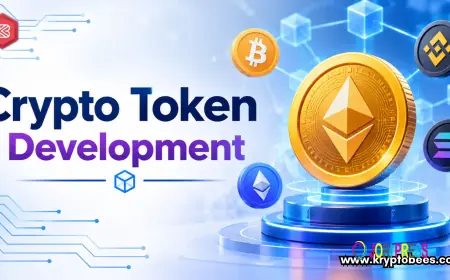































Crypto Token Development: Tokenomics Beyond Supply
Explore tokenomics beyond total supply, including token utility, distribution models, vesting mechanisms and smart contract logic. Understand how thoughtful Crypto Token Development can shape digital asset functionality and support sustainable blockchain ecosystems.

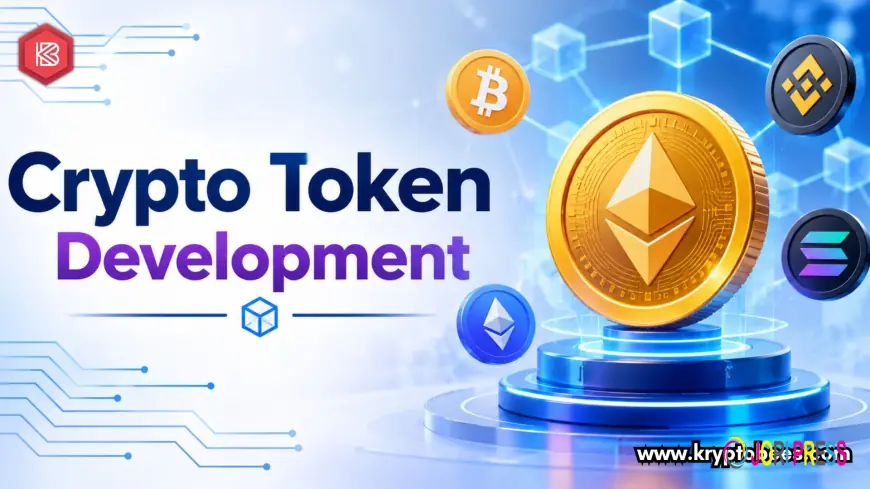
Token creation is only one part of building a blockchain-based asset. Its long-term functionality depends on how it circulates, supports platform activities and creates value within an ecosystem. A Crypto Token Development Company considers token utility, distribution logic, governance structure and supply controls while designing tokens that align with a project's business model and operational requirements.
Tokenomics Beyond Total Supply
Tokenomics involves more than defining a token's maximum supply. Developers must evaluate circulation, emission rates, allocation percentages and the relationship between supply and platform demand. Fixed-supply, inflationary and deflationary models serve different purposes, so the economic structure should reflect the project's actual usage and objectives.
Utility and Demand Mechanisms
Tokens can support transaction fees, staking, governance voting, rewards, access to digital services and ecosystem payments. Crypto Token Development Services may involve designing these utility mechanisms around specific platform functions. Meaningful token utility depends on real participation rather than reward systems that rely entirely on new users or continuous token issuance.
Token Distribution and Vesting Models
Distribution influences ownership concentration, market circulation and community participation. Allocations for founders, investors, development, community incentives and reserves should follow a clearly defined structure. Vesting schedules and release conditions can also manage the timing of token circulation and reduce sudden supply changes.
Smart Contract Logic and Governance
A Crypto coin development company may implement token standards, transfer rules, staking functions, governance permissions and supply controls through smart contracts. Contract permissions, upgrade mechanisms and voting procedures should be clearly defined and tested before deployment to minimise unexpected behaviour.
Long-Term Token Sustainability
A token's economic model should account for changing demand, market conditions, reward expenses and platform growth. Scenario testing can help developers evaluate supply pressure, incentive costs and governance decisions before introducing the token into a live ecosystem.
Conclusion
Effective token development requires a clear relationship between token utility, distribution, contract logic and economic sustainability. A well-planned tokenomics model gives blockchain projects a practical foundation for supporting their ecosystem beyond the initial launch.
Contact us for more information:
Phone No : +91 6381548050
What's Your Reaction?
 Like
0
 Dislike
0
 Love
0
 Funny
0
 Angry
0
 Sad
0
 Wow
0