








































Cost-Saving Tips for CNC Tool Management
Discover practical cost-saving tips for CNC tool management to improve tool life, reduce downtime, and boost machining efficiency with expert insights.
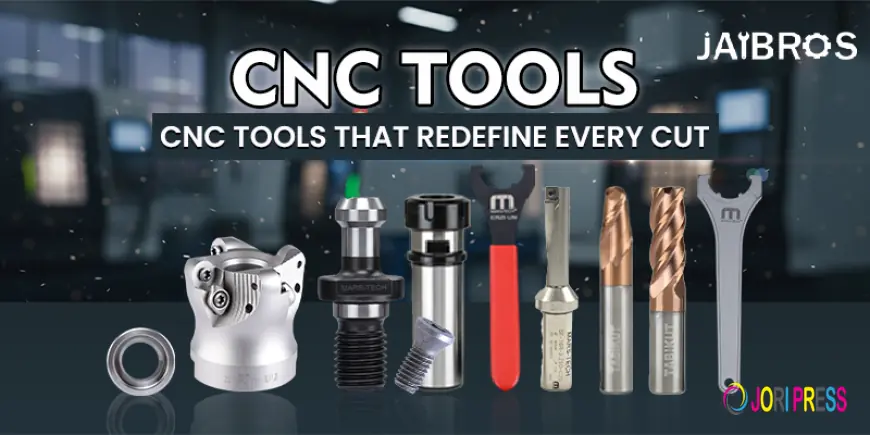
Cost-Saving Tips for CNC Tool Management |Guide
Efficient machining is not just about producing high-quality parts—it is also about controlling production costs. In today's competitive manufacturing industry, businesses constantly look for ways to improve productivity while reducing expenses. One of the most effective ways to achieve this balance is through proper CNC tool management.
From selecting high-quality cutting equipment to implementing preventive maintenance practices, every decision affects operational efficiency and profitability. Poor tool management can lead to frequent replacements, unexpected machine downtime, reduced machining accuracy, and higher production costs. On the other hand, a well-planned strategy extends tool life, improves machining precision, and maximizes return on investment.
Whether you operate a small workshop or a large manufacturing facility, adopting smart tool management practices can significantly improve overall performance.
Why CNC Tool Management Matters
Every machining operation depends on reliable cutting equipment. A worn or improperly maintained CNC tool can reduce machining accuracy, increase cycle time, and damage expensive workpieces. Replacing tools too early wastes money, while using them beyond their lifespan can lead to poor-quality components and unexpected failures.
Effective tool management helps manufacturers:
-
Reduce machining costs
-
Increase tool life
-
Improve production efficiency
-
Minimize machine downtime
-
Maintain consistent product quality
-
Reduce material waste
These benefits directly contribute to higher profitability and better customer satisfaction.
Invest in High-Quality Cutting Tools
Many manufacturers try to save money by purchasing inexpensive cutting tools. However, low-quality tools often wear out quickly and require frequent replacements. This increases both direct and indirect production costs.
Investing in premium-quality cutting tools offers several advantages:
-
Longer service life
-
Better wear resistance
-
Higher machining accuracy
-
Reduced maintenance
-
Improved surface finish
Although premium products may have a higher initial cost, they often provide better long-term value by lowering operating expenses.
Choose the Right Tool for the Material
One of the biggest mistakes in machining is using the same cutting tool for every material. Different metals require different cutting characteristics.
For example:
-
Aluminum requires sharp cutting edges for smooth finishes.
-
Stainless steel demands heat-resistant tools.
-
Hardened steel needs wear-resistant inserts.
-
Cast iron requires durable cutting geometry.
Selecting the correct CNC tool for each application minimizes wear and improves machining performance.
Understand the Different Types of CNC Machine
Efficient tool management also depends on understanding the types of CNC machine used in production.
CNC Milling Machines
These machines remove material using rotating cutters and are commonly used for precision manufacturing.
CNC Lathes
Lathes rotate the workpiece while stationary cutting tools shape it into the required dimensions.
CNC Routers
Routers are suitable for machining wood, plastics, and lightweight metals.
CNC Plasma Cutting Machines
These machines use plasma technology to cut electrically conductive materials quickly and accurately.
CNC EDM Machines
Electrical discharge machining is ideal for highly detailed components requiring exceptional precision.
Each machine has different cutting requirements, making proper tool selection essential for cost-effective production.
Monitor Tool Wear Regularly
Waiting until a tool completely fails can be expensive. Sudden tool failure may damage workpieces, interrupt production, and increase maintenance costs.
Instead, manufacturers should establish regular inspection schedules to monitor:
-
Edge wear
-
Chipping
-
Surface damage
-
Heat discoloration
-
Tool vibration
Predictive maintenance helps identify wear before it affects production quality.
Modern monitoring systems can even track tool life automatically, allowing operators to replace tools at the right time rather than too early or too late.
Use Carbide Tools for Longer Tool Life
Modern machining operations often rely on carbide drill solutions because carbide provides superior hardness compared to conventional steel tools.
Benefits of carbide drill products include:
-
Excellent wear resistance
-
High-speed machining capability
-
Better heat resistance
-
Longer operating life
-
Improved dimensional accuracy
Although carbide tools require a higher initial investment, they significantly reduce replacement frequency, making them a cost-effective choice for long-term production.
Optimize Cutting Parameters
Incorrect machining parameters shorten tool life and increase production costs.
Manufacturers should optimize:
-
Cutting speed
-
Feed rate
-
Depth of cut
-
Spindle speed
-
Coolant flow
Proper parameter selection reduces unnecessary stress on every CNC tool, helping achieve smoother machining and longer service life.
Using manufacturer-recommended cutting data also improves consistency across production batches.
Reduce Downtime Through Preventive Maintenance
Machine downtime is one of the largest hidden costs in manufacturing. Regular maintenance prevents unexpected failures that interrupt production schedules.
A preventive maintenance plan should include:
-
Cleaning tool holders
-
Inspecting spindle condition
-
Checking coolant systems
-
Lubricating moving components
-
Verifying machine calibration
Proper maintenance not only protects machines but also extends the lifespan of every CNC tool used during production.
Improve Tool Storage Practices
Many expensive cutting tools become damaged before they are even used due to improper storage.
Good storage practices include:
-
Keeping tools in protective holders
-
Storing inserts separately
-
Preventing moisture exposure
-
Organizing tools by application
-
Clearly labeling inventory
Proper organization reduces accidental damage and improves workplace efficiency by allowing operators to locate tools quickly.
Measure Accurately Before Machining
Poor measurement often results in rejected components and wasted materials. Accurate inspection ensures that machining operations remain within specified tolerances.
A digital caliper vernier is one of the most commonly used measuring instruments in manufacturing because it provides highly accurate readings for:
-
External dimensions
-
Internal dimensions
-
Hole diameters
-
Depth measurements
Using a digital caliper vernier during setup and inspection helps reduce costly machining errors while improving overall product quality.
Maximize Efficiency with Thread Milling
Threading operations are common in industries such as automotive, aerospace, and heavy engineering. Using a thread mill instead of conventional tapping can help manufacturers reduce tooling costs while improving machining flexibility.
A thread mill offers several advantages:
-
Longer tool life
-
Reduced risk of tool breakage
-
Better chip evacuation
-
Ability to produce multiple thread sizes
-
Improved thread quality
Because one tool can often machine different thread diameters of the same pitch, manufacturers can reduce inventory costs and improve operational efficiency.
Manage Tool Inventory Effectively
Poor inventory management often leads to unnecessary purchases and production delays. Many workshops either overstock tools that are rarely used or run out of essential cutting tools during critical production schedules.
To improve inventory management:
-
Track tool usage regularly.
-
Maintain minimum stock levels.
-
Label tools according to application.
-
Remove damaged tools from inventory.
-
Use inventory management software whenever possible.
A well-organized inventory ensures that operators always have the right equipment available while reducing unnecessary spending.
Buy from Reliable Suppliers
The quality of a supplier directly affects machining performance and long-term costs. Trusted suppliers provide durable products, technical guidance, and consistent product availability.
Many manufacturers search for CNC tools near me because local suppliers can offer faster delivery, easier communication, and quicker after-sales support.
At the same time, purchasing CNC tools online has become increasingly popular. Online platforms allow buyers to compare specifications, pricing, and customer reviews before making a purchase.
When selecting a supplier, consider:
-
Product quality
-
Technical support
-
Warranty
-
Product availability
-
Industry reputation
Invest in the Best CNC Tools
Although premium products often cost more initially, they usually provide greater value over time. Investing in the best CNC tools helps reduce replacement frequency, improve machining accuracy, and lower maintenance expenses.
High-quality tools typically offer:
-
Superior wear resistance
-
Better dimensional accuracy
-
Higher cutting speeds
-
Longer service life
-
Improved productivity
Rather than focusing only on purchase price, manufacturers should evaluate the total operating cost throughout the tool's lifespan.
Track Tool Performance
Data-driven decision-making has become an essential part of modern manufacturing. Monitoring tool performance helps identify opportunities to reduce costs and improve productivity.
Useful metrics include:
-
Tool life
-
Number of machined components
-
Replacement frequency
-
Machine downtime
-
Scrap rate
-
Tool cost per component
Analyzing these performance indicators allows businesses to optimize machining strategies and maximize return on investment.
Train Machine Operators
Even the most advanced equipment cannot deliver maximum performance without skilled operators. Proper training helps employees use equipment efficiently while avoiding costly mistakes.
Training should include:
-
Correct tool selection
-
Proper machine setup
-
Inspection procedures
-
Safe operating practices
-
Preventive maintenance
Well-trained operators make better decisions that extend the life of every CNC tool while improving production quality.
Use Coolant Efficiently
Coolant plays a vital role in reducing heat, minimizing friction, and improving machining performance. Insufficient cooling can accelerate wear and shorten the lifespan of cutting tools.
Manufacturers should:
-
Monitor coolant concentration.
-
Maintain proper coolant flow.
-
Replace contaminated coolant regularly.
-
Clean coolant systems during maintenance.
Efficient coolant management helps reduce operating costs while improving machining consistency.
Reduce Scrap Through Process Optimization
Material waste directly affects profitability. Poor machining strategies often result in rejected components, unnecessary rework, and increased production expenses.
Manufacturers can reduce scrap by:
-
Verifying machine calibration
-
Inspecting cutting tools regularly
-
Using accurate measuring instruments
-
Optimizing cutting parameters
-
Monitoring machining quality throughout production
Even small improvements in machining accuracy can generate significant long-term savings.
Embrace Smart Manufacturing
Industry 4.0 technologies are transforming tool management across manufacturing industries. Smart machining systems now use sensors, automation, and artificial intelligence to monitor tool wear in real time.
Modern solutions can:
-
Predict tool replacement schedules
-
Detect abnormal vibration
-
Monitor cutting temperatures
-
Reduce unexpected downtime
-
Improve production planning
By integrating smart technologies into daily operations, manufacturers can significantly lower production costs while maintaining consistent quality.
Conclusion
Effective tool management is one of the smartest ways to reduce manufacturing costs without compromising quality. Choosing high-quality cutting tools, monitoring wear, optimizing machining parameters, maintaining equipment, and training operators all contribute to greater productivity and long-term savings.
Whether purchasing from trusted local suppliers or exploring reliable online options, investing in durable machining solutions helps manufacturers maximize efficiency while reducing operational expenses. Businesses that focus on preventive maintenance, inventory control, and performance tracking are better positioned to remain competitive in today's demanding manufacturing environment.
For businesses seeking reliable industrial tooling solutions, Jaibros offers a comprehensive range of precision machining products designed to support modern manufacturing. From cutting tools and measuring instruments to high-performance machining accessories, Jaibros is committed to delivering quality, durability, and dependable solutions that help industries improve productivity and achieve long-term success.
FAQs
1. Why is CNC tool management important?
Proper CNC tool management reduces operating costs, extends tool life, minimizes downtime, and improves machining accuracy.
2. How can carbide drills reduce machining costs?
A carbide drill lasts longer, performs better at higher cutting speeds, and requires fewer replacements than conventional drills.
3. Why should manufacturers use a thread mill?
A thread mill offers greater flexibility, produces high-quality threads, reduces tool breakage, and lowers overall tooling costs.
4. Is it better to buy CNC tools online or from local suppliers?
Both options have advantages. Local suppliers offer quick support, while CNC tools online provide wider product choices and competitive pricing.
5. What measuring tool is commonly used for precision machining?
A digital caliper vernier is widely used to measure internal, external, and depth dimensions accurately, ensuring high-quality machining results.
What's Your Reaction?
 Like
0
Like
0
 Dislike
0
Dislike
0
 Love
0
Love
0
 Funny
0
Funny
0
 Angry
0
Angry
0
 Sad
0
Sad
0
 Wow
0
Wow
0