










































The Growing Importance of Controlled Polymer Synthesis in Modern Manufacturing
Learn how controlled polymer synthesis improves material performance, manufacturing efficiency, and sustainability while driving innovation across water treatment, healthcare, coatings, and industrial applications.
Introduction
Modern industries increasingly depend on advanced materials that offer durability, efficiency, and precise performance characteristics. From water treatment systems and medical devices to coatings and specialty chemicals, the demand for customized polymers continues to grow. As a result, controlled polymer synthesis has become a critical area of innovation, helping manufacturers create materials tailored to specific industrial needs.
The ability to design polymers with predictable structures and properties is transforming how products are developed and improving performance across multiple sectors.
What Is Controlled Polymer Synthesis?
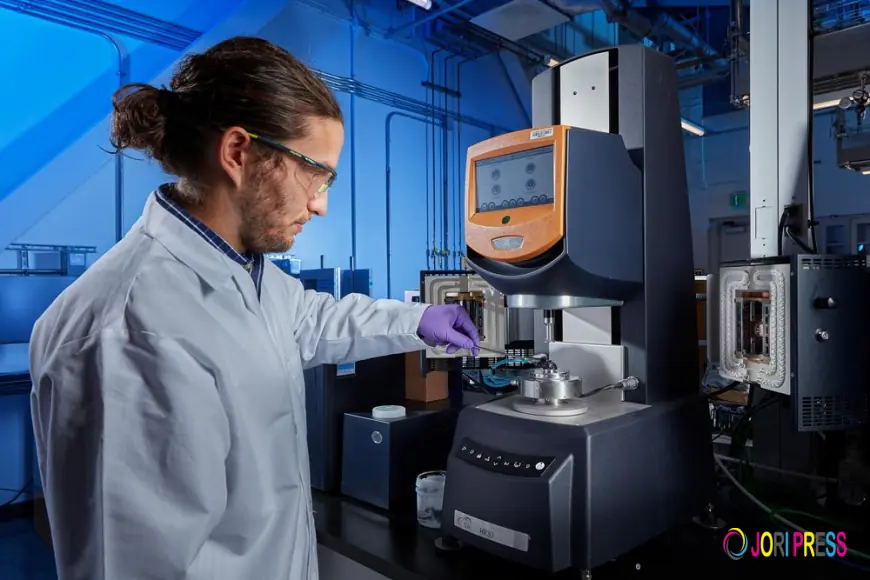
Controlled polymer synthesis refers to manufacturing methods that allow scientists to regulate the growth and architecture of polymer chains during production. Unlike traditional polymerization techniques, these advanced methods provide greater control over molecular weight distribution, composition, and functionality.
This precision helps manufacturers produce materials with consistent quality while reducing unwanted variations that can affect product performance.
Why Precision Matters in Polymer Development
Improved Product Performance
When polymer structures are carefully controlled, the resulting materials often demonstrate enhanced strength, stability, and efficiency. This makes them suitable for demanding industrial applications where reliability is essential.
Better Resource Utilization
Controlled synthesis techniques help reduce waste by minimizing side reactions and optimizing raw material consumption. This supports more sustainable manufacturing practices while improving overall production efficiency.
Enhanced Customization
Industries often require materials with specific characteristics. Controlled polymer synthesis enables researchers to tailor properties such as viscosity, solubility, flexibility, and chemical resistance to meet unique operational requirements.
Applications Across Key Industries
Water Treatment
Advanced polymers play an important role in improving water clarification, sludge dewatering, and filtration processes. Consistent polymer quality can directly influence treatment efficiency and operational performance.
Healthcare and Biomedical Fields
Controlled polymers are increasingly used in drug delivery systems, diagnostic devices, and medical materials that require precise functionality and dependable performance.
Coatings and Adhesives
Manufacturers use engineered polymers to improve coating durability, adhesion strength, and resistance to environmental conditions.
Electronics and Advanced Manufacturing
The electronics industry relies on specialized polymer materials for insulation, protective coatings, and component manufacturing, where precision and consistency are crucial.
Emerging Technologies Driving Innovation
Recent advancements in polymer science continue to expand the possibilities for material development. Researchers are exploring innovative approaches such as UV RAFT Technology to achieve greater control over polymer architecture while maintaining efficiency and flexibility during production.
These technologies enable manufacturers to develop next-generation materials that meet increasingly complex industrial requirements.
Future Outlook
As industries prioritize sustainability, performance, and innovation, controlled polymer synthesis will continue to gain importance. Companies investing in advanced polymer technologies are better positioned to develop high-value products that address evolving market demands.
The future of manufacturing will depend heavily on the ability to create customized materials with predictable properties, making controlled polymer synthesis a cornerstone of modern industrial progress.
Conclusion
Controlled polymer synthesis is reshaping material science by enabling greater precision, consistency, and efficiency in polymer production. As new technologies emerge and industrial requirements become more sophisticated, advanced polymer development methods will remain essential for driving innovation across multiple sectors and supporting the next generation of high-performance materials.
What's Your Reaction?
 Like
0
Like
0
 Dislike
0
Dislike
0
 Love
0
Love
0
 Funny
0
Funny
0
 Angry
0
Angry
0
 Sad
0
Sad
0
 Wow
0
Wow
0