








































CNC Tool and Automation: Upcoming Trends Shaping Industry
Discover how CNC tools and automation are shaping the future of manufacturing with smart technology, improved accuracy, and higher productivity.

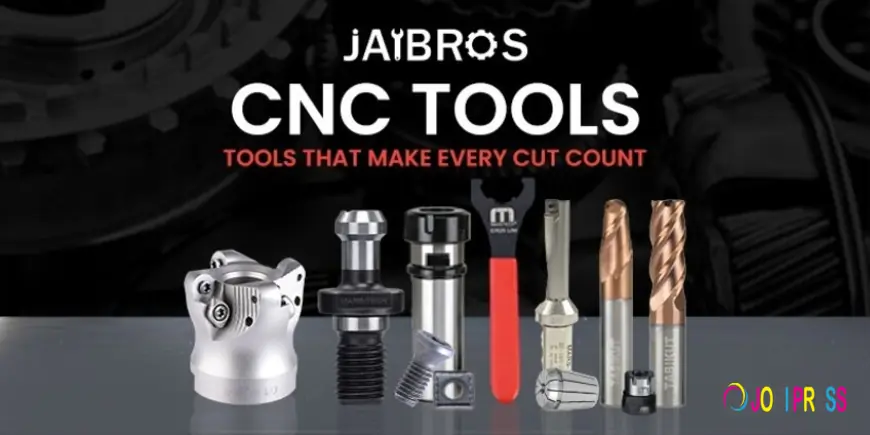
The Future of CNC Tool and Automation in Manufacturing
Manufacturing is evolving faster than ever, driven by automation, digital transformation, and smart technologies. Businesses are no longer relying only on traditional machining methods—they are moving toward intelligent systems that enhance productivity, precision, and efficiency. At the centre of this transformation is the CNC tool, which plays a crucial role in shaping modern production processes.
Automation is not just about reducing human effort; it is about improving consistency, reducing errors, and maximising output. When combined with advanced tooling, automation creates a powerful ecosystem that can significantly improve manufacturing performance.
The Evolution of CNC Tools in Automation
Over the years, machining tools have evolved from simple cutting instruments to highly advanced components integrated with digital systems.
A modern CNC tool is designed to work seamlessly with automated machines, enabling high-speed operations and consistent results. These tools are now capable of handling complex tasks with minimal human intervention.
As automation continues to grow, tools are becoming smarter, more durable, and more efficient.
Role of Automation in Modern Machining
Automation has become a key factor in improving manufacturing efficiency. Machines can now operate continuously with minimal supervision, reducing downtime and increasing output.
A reliable CNC tool ensures that automated systems deliver accurate and consistent results.
Automation also reduces human error, making it possible to achieve high-quality production at scale.
Smart Tools and Real-Time Monitoring
One of the most exciting developments in machining is the rise of smart tools. These tools are equipped with sensors that provide real-time data on performance, temperature, and wear.
A smart CNC tool can alert operators about potential issues before they lead to failure.
This allows manufacturers to optimise processes, reduce downtime, and improve efficiency.
Integration with Industry 4.0
Industry 4.0 is transforming manufacturing by connecting machines, systems, and data. CNC tools are becoming an integral part of this digital ecosystem.
Manufacturers can make better choices and get better results by looking at data from machines and tools.
Understanding the types of CNC machine used in production helps ensure that tools are compatible with automated systems.
Advanced Tooling Materials and Technology
Tool materials have also evolved significantly. Carbide-based tools are widely used due to their strength and durability.
Carbide drill tools, for example, are ideal for high-speed drilling operations and provide excellent performance in demanding conditions.
Similarly, thread mill tools offer precise threading capabilities, making them essential for modern machining processes.
Importance of Precision Measurement
Accuracy remains a top priority in manufacturing. Precision measurement tools are essential for ensuring high-quality results.
A digital caliper vernier is commonly used to measure dimensions accurately, helping maintain consistency in production.
Combining precision instruments with high-quality CNC tools ensures reliable and accurate machining.
Digital Transformation in Tool Procurement
The way manufacturers purchase tools has changed significantly.
Businesses can now explore CNC tools online to compare features, specifications, and prices.
Online platforms provide access to a wide range of tools, making it easier to find the right solutions.
At the same time, searching for CNC tools near me helps manufacturers connect with local suppliers for quick delivery and support.
Benefits of CNC Tool Automation
Increased Productivity
Automated systems operate continuously, increasing output.
Improved Accuracy
Smart tools ensure consistent and precise machining results.
Reduced Costs
Automation reduces labour costs and minimises errors.
Enhanced Efficiency
Optimised processes improve overall performance.
Better Safety
Automation reduces the need for manual intervention, improving workplace safety.
Challenges in Adopting Automation
While automation offers numerous benefits, it also comes with challenges:
-
High initial investment
-
Need for skilled operators
-
Integration with existing systems
Manufacturers must carefully plan their transition to automation and invest in the best CNC tools to maximise returns.
What’s Next for CNC Tools and Automation?
The future of machining is driven by innovation and technology.
Artificial Intelligence
AI will enable machines to learn and adapt, improving efficiency and reducing errors.
Predictive Maintenance
Tools will be able to predict wear and failure, minimising downtime.
Smart Factories
Fully automated factories will rely on interconnected systems for seamless production.
Advanced Materials
New materials will enhance tool durability and performance.
A modern CNC tool will continue to evolve, offering better precision, efficiency, and adaptability.
Common Mistakes to Avoid
Ignoring Tool Quality
Low-quality tools reduce performance and increase costs.
Poor Setup
Incorrect installation affects accuracy and efficiency.
Lack of Maintenance
Neglecting maintenance leads to frequent failures.
Not Using Advanced Tools
Avoiding new technologies limits productivity.
Conclusion
The future of manufacturing lies in the integration of advanced tooling and automation. A high-performance CNC tool plays a crucial role in enabling precision, efficiency, and reliability across different types of CNC machine systems.
As technology continues to evolve, manufacturers must adapt to new trends and invest in innovative solutions. From smart monitoring systems to advanced materials like carbide drill tools and thread mill tools, the possibilities are endless. Precision instruments such as digital caliper vernier further enhance accuracy, ensuring consistent results.
Whether sourcing through CNC tools online platforms or searching locally using CNC tools near me, choosing the best CNC tools is essential for staying competitive in today’s market.
At Jaibros, we are committed to delivering cutting-edge tooling solutions designed for modern manufacturing. With a strong focus on innovation, precision, and durability, Jaibros helps businesses embrace automation and achieve superior machining performance in the years ahead.
FAQs
1. What is the role of CNC tools in automation?
CNC tools enable automated machines to perform precise and efficient machining operations.
2. How does automation improve manufacturing?
It increases productivity, reduces errors, and ensures consistent quality.
3. Why are carbide tools important?
They offer durability, heat resistance, and high performance in demanding applications.
4. Where can I buy CNC tools?
You can purchase them from online platforms or local suppliers.
5. What is a digital caliper vernier used for?
It is used to measure dimensions accurately in machining processes.
What's Your Reaction?
 Like
0
Like
0
 Dislike
0
Dislike
0
 Love
0
Love
0
 Funny
0
Funny
0
 Angry
0
Angry
0
 Sad
0
Sad
0
 Wow
0
Wow
0