





































Choosing the Right Boiler Size for Your Bristol Property

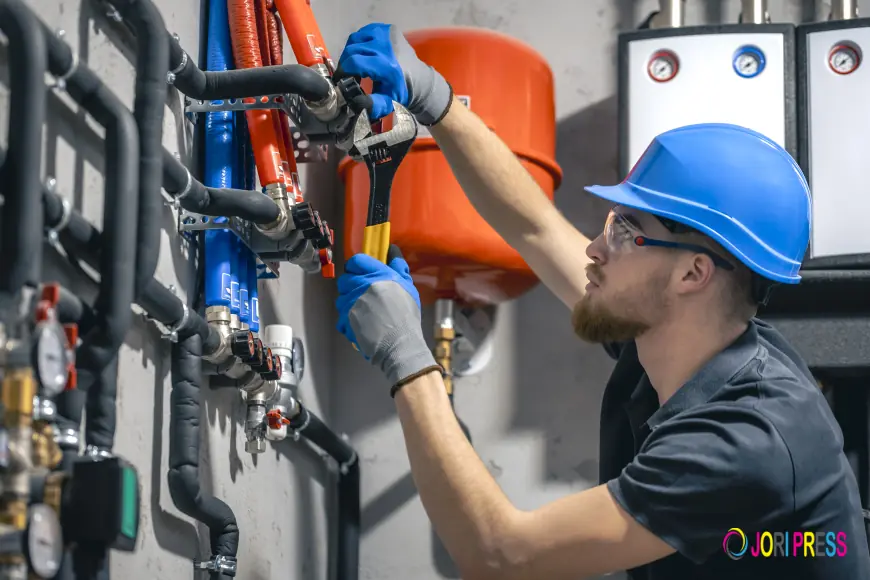
Buying a brand new boiler is the sort of choice homeowners usually only get round to when they really have to. If you’re planning a boiler installation in Bristol, or you’re dealing with a heating system that’s gone wrong , it often begins with a broken boiler or some sudden service report, that basically pushes everything forward. Next thing you know you’re rushing to pull together quotes and compare brands, but there’s this one thing that gets missed way too often: picking the right boiler size for your home.
Because when the boiler size is right, you tend to get better energy efficiency, steadier warmth, and lower running costs, which ends up mattering as much as the boiler price or its reputation, maybe even more than people think.
Bristol though, has a pretty varied housing mix, so it’s not really “one size fits all.” You’ve got Victorian terraces around Fishponds and Kingswood, with solid walls and draughty upper floors, then on the other side there are newer builds in Emersons Green and Longwell Green with better insulation and tighter construction. A boiler that keeps one place cosy can end up making the other run constantly, still struggling to keep up. Then you add the bathroom count, the number of people in the home, and how hot water is used from morning to night, and yeah, it becomes pretty obvious why a boiler size that suits your neighbour’s setup isn’t automatically correct for your own.
This article goes through what “boiler sizing” actually means, how the output figures are worked out in practice, and where people most often trip up when they’re choosing a replacement. The aim is to give you enough clarity to ask the right questions before a quote is signed off, so the boiler that gets fitted matches the heating needs of the house you’ve got , not a rough guess based on square footage or whatever was installed last time.
Why Boiler Size Matters More Than Brand or Price
When homeowners in Bristol start looking into a new boiler , the first questions are usually about which brand to choose or how much the job will cost. These are fair things to ask, but they miss the bit that matters more. The size of the boiler,meaning its heat output measured in kilowatts, has a far bigger effect on day to day comfort, day to day running costs and the lifespan of the whole system than the badge on the front of the unit.
If the boiler is too small , it will feel like it can’t quite keep up on cold mornings, it takes longer to heat up the hot water and some rooms end up noticeably cooler, even if the thermostat seems fine. If the boiler is too big, it will switch on and off more often than it should , wasting gas and adding extra stress to its own components. Neither issue is screaming on day one. They tend to appear later, months down the line, as higher bills, patchy warmth, or a boiler that needs attention sooner than it ought to.
This is why an experienced installer will always ask about the property before quoting a specific model. Like, how many bathrooms are there, how many radiators need heating, and how quickly does the household expect hot water to arrive. These bits shape the answer way more than a personal preference for one maker over another, honestly. Two identical three bedroom houses in Bristol can still need different boiler sizes, depending on how they are built, how well insulated they are, and how the family living there actually uses hot water, day to day.
Getting this right at the start avoids this long list of smaller issues later on. And that’s exactly why sizing deserves more attention than most homeowners give it before they sign off on a quote.
Understanding Boiler Output and What kW Actually Measures
Boiler output gets written on every spec sheet, but most homeowners never really get around to figuring out what the number means, i mean, not in the way you would expect. Like a boiler rated at 24kW, is not basically describing the size of the wall box, no. It’s describing how much thermal energy the boiler can deliver, and how fast it can generate hot water once a tap is turned on.
There are two figures people should know, and for some reason they often get mixed up. Central heating output is telling you how much heat the boiler can send through the radiators, piece by piece. Domestic hot water output is about how quickly it heats water when you need it, which becomes the main point in homes with a combi boiler and no separate hot water cylinder. A boiler might have a relatively modest central heating output but a much stronger domestic hot water output, because these two tasks aren’t asking for the same kind of effort from the system.
And this is where the confusion usually begins. A person with a small two bedroom flat and another person with a five bedroom house can both get told they need a 30kW boiler, and they assume the advice is wrong for at least one of them. But maybe the flat has one bathroom and a lower hot water demand, so it needs less central heating power, while still having enough hot water output to fill a bath in a decent time. The bigger house might have more radiators to warm up, yet still have broadly similar hot water requirements. Same number, different reason, and that’s the part people tend to skip.
So knowing this distinction can help homeowners ask better questions when they get a quote, instead of just comparing kW numbers between properties that are not really alike. A boiler sized correctly for one home is, not automatically, the same fit for a similarly looking place a few streets away, and those output figures are usually the first clue to why.
How Property Size and Layout Affect Boiler Sizing
Two houses that look like they have the exact same square footage can still end up needing two, very different boilers, and that’s where a bunch of homeowners sort of get blindsided when they swap notes with a neighbour or friend who’s just down the street. The overall property size is one part of the story for boiler sizing, but the way the home is laid out, its age and the build details really matter just as much, and honestly in some situations maybe even more
Like, take an older Victorian terrace around Fishponds or Kingswood. It often has solid walls , and higher ceilings than a newer home in Emersons Green or Longwell Green. That combo means warmth drifts off faster, so the boiler ends up pushing harder just to keep the same room temperature, steady. But then again, a more modern place with better insulation and the same floor area might need noticeably less output, largely because less heat escapes through the walls and the roof , in the first place.
Layout also kind of has its own role, a house where rooms are spread across three floors puts other requirements on a heating setup than a bungalow that keeps the same total space on one level, because the pipe runs are longer, and the warmth has further to travel before it reaches those radiators farthest from the boiler. Then if an extension gets added years later to the original build, that can throw it off too , it brings in extra radiators and extra floor area that the older heating plan never really priced in.
So really, a proper assessment ought to look at the building itself, instead of leaning mostly on floor area. Wall construction , window glazing , insulation performance, and even how the rooms are placed and connected matter, they all feed into the final number. When people skip that stage and end up sizing a boiler just on square footage, it is one of the most common routes to a system that never quite behaves how it should, even if the boiler itself is perfectly fine .
Matching Boiler Size to Bathrooms and Hot Water Demand
The number of bathrooms in a Bristol home is one of the clearest pointers for how much hot water capacity a new boiler really needs to deliver, and it can end up meaning more in the final choice than the actual size of the place itself. A home with one bathroom, where hot water use is pretty modest, will behave in a completely different way compared with a three bathroom home, where two showers might start at almost the same moment on a busy morning.
Combi boilers heat water on demand, so their hot water output has to keep up with whatever taps, showers, and handbasins are going at the same time. In a single bathroom household, that situation is usually not a problem. But once you add another bathroom,maybe an en suite, or you’ve got four or five people getting ready together, then the boiler has to provide a higher flow rate, otherwise the water can turn a bit lukewarm in the middle of someone’s shower, yeah, right when they don’t want it.
This is one of the reasons that family homes with several bathrooms are often better matched to a system boiler with a hot water cylinder, rather than a combi. The cylinder basically holds a ready supply of hot water, so several taps can run at once without each outlet fighting for the same instant output. A combi, on the other hand, is limited by its highest flow rate only, regardless of how many people are waiting to get hot water at the very same time.
Getting this part of the sizing right means being honest about how the household really uses hot water, not only how many bathrooms exist on paper. A guest bathroom used twice a month , places way different demands on a boiler than a family bathroom used by four people, every single morning. An installer who asks about daily routines before recommending a boiler is doing more than small talk, they are collecting the details that decides if the new system runs comfortably or it struggles from day one.
Combi, System and Regular Boilers and How Sizing Differs Between Them
The type of boiler that is being installed sorta changes how the sizing is worked out, so the same 3 bedroom house in Bristol might get quoted a 30kW combi by one installer and a 24kW system boiler with a cylinder from another. Both numbers can still be correct, because each boiler kind measures and delivers its output a bit differently.
Combi boilers warm the water straight from the mains whenever it is asked for, so there is no proper hot water cylinder just sat there for long term storage, and it can feel a little more instant. In a boiler installation Bristol kind of job, sizing a combi boiler is sort of based around the hot water flow rate that you actually need, because the unit has to push hot water right away the second taps, or a shower are turned on. So when people are picking a new boiler Bristol things like how many bathrooms there are, how many people live in the household, plus whether hot water is being used at the same time really start to matter more. Compared to system or regular boilers, combi boilers don’t have any stored hot water you can lean on, so getting the right output is what tends to help performance stay steady , keep efficiency higher , and make hot water feel dependable across the whole home.
System boilers run together with a hot water cylinder, so part of the demand is covered by water that is already stored, rather than the boiler having to heat everything instantly. That lets a system boiler be sized more around the central heating load, meaning radiators and the overall property size, since the cylinder can take up a fair chunk of the hot water demand. Homes with multiple bathrooms or higher hot water use often fit this setup better than a combi, even if the kW figure shown at first glance looks lower.
Regular boilers, sometimes called heat only or conventional boilers, often go with a cylinder but they usually live inside older heating setups that already have a cold water tank up in the loft. The sizing idea here is pretty similar to system boilers, though older regular arrangements can have extra inefficiencies, and those won’t really show up in a simple kW comparison, not in any straightforward way.
None of this means one boiler type is automatically better than another, not in general terms anyway. It’s more that the “right” size for a home depends on which type is going in, and comparing the kW figures across different boiler types without factoring the context is one of the easiest ways to get a mismatched recommendation.
Radiator Count and Heat Loss Calculations Explained
Radiator count is one of the easiest factors in boiler sizing, but it is also one of the most guessed at rather than properly worked out. Each radiator in a home takes heat from the boiler, so the more radiators there are , the more central heating output the boiler must provide to keep everything ticking along at the right temperature, all at the same time.
But a quick radiator tally is only the beginning, sort of. What really sets the boiler size is heat loss, meaning the rate at which the building leaks warmth through its walls, windows, roof, and floor. Two houses can have the same number of radiators, yet show totally different heat loss values depending on insulation quality, how dated the glazing is, and how much the property is bullied by wind and weather . A heat loss calculation basically totals the energy required to replace what escapes from each room, and that number, not just the radiator count, is what the boiler has to be able to match.
So this is why a decent installer will do a property walk through, room by room, noting radiator sizes, window styles, wall build and ceiling height , rather than simply counting how many radiators are wired into the system. The software used for this usually follows well known heat loss approaches, figuring the wattage needed per room and then adding it up to get a whole house requirement. From there , the central heating side of the boiler size is determined, separately from whatever hot water demand is added on top.
Skipping this step and trying to size the boiler just by radiator counts alone, it kinda tends to overshoot, because it’s really easy to overestimate the need without properly thinking about how much heat a well insulated room is actually losing. A decent heat loss calculation keeps the final boiler size more grounded in the building’s real thermal performance, instead of relying on a rough guess, based on how many radiators were fitted, more or less.
Common Mistakes Homeowners Make When Choosing Boiler Size
Most sizing mistakes kind of happen quietly, way before anyone really realises that something went askew. The boiler keeps running, the heating still comes on, and the hot water still does its job, just not quite as well as it ought to. By the time the problem becomes obvious, the boiler is already sitting there, installed , and the cost to fix it later tends to be much higher than doing it properly from the very first day.
One of the most common slip ups is picking a boiler based on what was fitted previously , without looking closely at whether that original boiler was ever sized correctly in the first place. If a house had an oversized boiler for the last fifteen years, swapping it out like for like basically repeats the same mistake, only now it’s brand new equipment. The household never truly clocks the inefficiency because they don’t have a comparison point, no real reference to measure against.
Another common mistake is leaning on an online boiler size calculator without really doing a proper home visit, and yeah that matters more than people think. These tools usually want only a few basics like the number of bedrooms and bathrooms, then they spit out some sort of generic recommendation. It can be handy as a rough starting point, but it can’t really include wall construction, insulation standards, the actual length of pipe runs, or even how a household uses hot water day by day. A recommendation that comes from a five minute form, usually doesn’t line up with what a room by room assessment would show.
Also, picking a boiler size just because it matches a bigger house down the street is one of those issues worth flagging. Homeowners sometimes ask for the same unit a neighbour had fitted, kind of assuming that similar sized homes must need similar boilers. But as discussed earlier, the layout, how well the place is insulated, and the hot water routines inside each home can be different enough that this “same boiler” idea rarely survives closer checking.
Finally, some homeowners size upward just to be safe, like a bigger boiler can only help, you know. But in practice , if you go oversized, it tends to cycle on and off more often, it gulps more gas than it should, and the components get worn out quicker than they would with a correctly sized unit that stays in its comfortable range. Bigger is not really a safety margin , it is more like a different pile of problems to deal with.
What an Oversized or Undersized Boiler Costs You Over Time
The price gap between the right boiler size and the wrong one rarely jumps out on day one. It comes in a slow kind of way, on gas bills, in repair callouts, and in a boiler that ends up needing replacing sooner than it should. That’s what makes getting the sizing wrong so easy to miss and also such a costly thing to live with.
An undersized boiler ends up doing more than it should to keep up with demand it was never really made for. It runs for longer stretches, trying to reach the target temperature, it burns more gas to do it, and it keeps laying continuous stress on parts that were designed for a lighter, more occasional duty cycle. In homes with an undersized boiler, people often notice the heating takes longer to warm up, hot water seems cooler when more than one tap is being used, and the boiler behaves like it’s almost always on during the colder months.
An oversized boiler creates a different set of problems. Instead of running steadily, it gets to the target temperature pretty fast and then shuts down , only to fire back up a short time later when the temperature drops. That stop go pattern, usually called short cycling, is tougher on the boiler’s internal bits than a steady longer run would be. Ignition components, pumps and heat exchangers all see more wear because of the frequent cycling and that can shorten the lifespan of a boiler, that would otherwise be expected to run well past a decade.
Both situations often end up costing more in gas bills too, just for different reasons. An undersized boiler is burning more fuel because it’s constantly trying to catch up with demand, while an oversized one kind of wastes energy through inefficient cycling instead of smooth, controlled operation. Over a few years, the gap between a properly sized boiler and one that’s mismatched can pile into a real amount, plus any repair expenses that come from extra strain put on the system.
None of it is really obvious when the boiler is first installed, it only becomes clear as time passes, and that’s exactly why getting the size right from the beginning matters more than it might sound during the first quote.
Why a Home Survey Beats an Online Boiler Size Calculator
Online boiler size calculators have really become a common first stop for homeowners looking into a new install, and honestly it makes sense why. You spend a few minutes entering, stuff like bedrooms and bathrooms, then it spits out a number that feels like a decent reference point before you even talk to an installer. But the thing is, a reference point is basically the most they can ever do, and not much more.
These calculators run on broad guesses. They may take a “typical” insulation level, an average count of radiators for that general home size, plus what they think is normal hot water usage for the household number you typed in. Still, none of that is the actual building in front of an engineer. As mentioned earlier, two homes that look similar on paper can end up having totally different heating demands depending on how they’re built, how well they’re insulated, and even how the rooms are arranged. And a calculator doesn’t really know if the property has solid walls or cavity walls, if it has older single glazing or newer double glazing, or if an extension has quietly added, say, three more radiators since the system was first put in.
That’s where a home survey comes in, it fills in the gaps those calculators can’t. An engineer who walks the property can see what’s actually installed, check the radiator sizes and their condition, identify glazing type and wall construction room by room, and also ask in a direct way how hot water is used day to day in that specific household. This real-world detail then feeds into a proper heat loss calculation, so you end up with a result rooted in the real structure, not just a bundle of averages squeezed onto a rough description.
This does not mean an online calculator is useless or anything like that. It still can help homeowners get a rough idea of what to expect before booking a proper quote, which is handy for budgeting stuff. But it should not replace a real onsite visit, especially before a final boiler size is confirmed. A number that comes out of a five minute form is really just a starting point for discussion, not a replacement for someone qualified, actually assessing the property in person.
Getting a Boiler Sized Correctly for a Bristol Home
Picking the proper boiler size isn’t some tiny choice you make alone, it’s more like the whole bunch of what we’ve already gone through, then pulled together into one final set up that actually holds water, figuratively and maybe literally. Property build quality, radiator count, how many bathrooms, usual hot water habits, and even which boiler type you’re considering they all get mixed into the final figure an installer comes up with, and honestly you can’t really judge any of those pieces correctly from a fast phone call, or from one of those forms where you just tick boxes and hit submit.
For people in Bristol, the most sensible move before you commit to a replacement boiler is to book a proper survey rather than asking for a quote purely on general details. A competent engineer visits the property, walks through it properly, looks at radiators room by room, checks how the walls and windows are made, then asks the day to day questions about how hot water gets used. That’s the kind of information a heat loss calculation truly needs. The resulting number, teamed with a straightforward look at how many bathrooms there are and how the household actually lives, gives you a boiler size that’s fitted around the real building, not just a rough guess somebody typed in.
And it’s good to remember that a correctly sized boiler isn’t automatically the biggest, or the most powerful thing you can buy. As we talked about earlier, going oversized can cause its own mess, like short cycling, extra strain on internal parts, and all those small issues that quietly add up over time. Going undersized, on the other hand, means the boiler is constantly pushing more than it should just to stay on top of demand. The right size usually sits in that middle ground, matched tightly to the property rather than being chosen for simple comfort, peace of mind , or convenience.
Getting a new boiler isn’t one of those purchases that most households make often, and if you get the size right first time you can avoid years of higher bills, patchy heating, or a setup that ends up needing replacing sooner than its warranty should really allow. It helps to take a bit more time for a proper survey before installation, not just swapping it in like for like , or trusting a generic online calculator. That little difference is what tends to separate a boiler that actually performs well for its full lifespan, from the one that never quite lives up to what it should, even if everything looks fine on paper.
What's Your Reaction?
 Like
0
Like
0
 Dislike
0
Dislike
0
 Love
0
Love
0
 Funny
0
Funny
0
 Angry
0
Angry
0
 Sad
0
Sad
0
 Wow
0
Wow
0