







































Can Medical Grade Compression Socks Help Improve Blood Circulation?
**2-Line Summary:** This article explains how medical grade compression socks support healthy blood circulation by improving venous return, reducing swelling, and relieving leg fatigue. It highlights who can benefit most, including women, travelers, pregnant individuals, and people with long standing or sitting routines.

Poor circulation is a common concern that affects millions of people. Whether caused by long hours of standing, extended periods of sitting, pregnancy, aging, or certain health conditions, reduced blood flow can leave your legs feeling heavy, tired, and swollen. Many people searching for relief often wonder whether medical grade compression socks actually improve circulation or if their benefits are simply marketing claims.
The good news is that compression therapy has been used for decades to support healthy blood flow. Medical grade compression socks are specifically designed to apply controlled pressure to the legs, helping veins function more efficiently and reducing many of the symptoms associated with poor circulation. For women who spend long hours on their feet or experience leg discomfort throughout the day, finding the best medical grade compression socks for women can be a practical step toward improving daily comfort and supporting vascular health.
Understanding How Blood Circulation Works
The circulatory system continuously moves blood throughout the body, delivering oxygen and nutrients to tissues while carrying away waste products. While arteries help transport blood from the heart, veins have the challenging task of returning blood back to the heart against gravity.
This process becomes more difficult in the legs because blood must travel upward. Healthy veins contain one-way valves that prevent blood from flowing backward. However, factors such as age, pregnancy, weight gain, prolonged standing, and a sedentary lifestyle can place extra strain on these veins.
When blood flow slows down, people may begin noticing symptoms such as swollen ankles, aching legs, fatigue, or a feeling of heaviness in the lower limbs. These symptoms can become more noticeable at the end of a long workday or after sitting for extended periods.
How Medical Grade Compression Socks Support Circulation
Medical grade compression socks are designed using graduated compression technology. This means the pressure is strongest around the ankle and gradually decreases as the sock extends up the leg.
This graduated pressure helps encourage blood to move upward toward the heart instead of pooling in the lower extremities. By supporting vein function, compression socks can help improve circulation and reduce fluid buildup in the legs.
Unlike regular socks, medical grade compression socks are manufactured to provide specific levels of compression measured in millimeters of mercury (mmHg). This controlled pressure allows them to deliver targeted support that promotes healthier blood flow throughout the day.
Many healthcare professionals recommend compression therapy because it addresses one of the primary causes of leg discomfort: inefficient venous return. When blood circulates more effectively, many people experience less swelling, reduced fatigue, and improved overall comfort.
Why Women Often Experience Circulation Issues
Women are particularly susceptible to circulation-related concerns due to several factors. Hormonal changes, pregnancy, and certain lifestyle factors can all affect vein health and blood flow.
During pregnancy, for example, blood volume increases significantly to support the developing baby. At the same time, the growing uterus places additional pressure on veins in the pelvis and legs. This combination often contributes to swollen feet, ankle edema, and tired legs.
Women who work in healthcare, retail, education, hospitality, and other professions that require prolonged standing may also experience circulation challenges. Spending eight or more hours on your feet can increase pressure on leg veins and contribute to discomfort over time.
This is one reason many women actively search for the best medical grade compression socks for women. Proper compression support can help manage everyday circulation concerns while providing greater comfort during work, travel, and daily activities.
Can Compression Socks Reduce Swelling?
One of the most noticeable benefits of medical grade compression socks is their ability to help reduce swelling.
Swelling often occurs when fluid accumulates in the tissues of the feet, ankles, and lower legs. Gravity naturally pulls fluid downward, especially during long periods of standing or sitting. When circulation slows, this fluid can become trapped in surrounding tissues.
Compression socks apply gentle pressure that helps minimize fluid buildup and encourages normal circulation. As a result, many people notice reduced swelling and a lighter feeling in their legs after wearing compression socks consistently.
For travelers, pregnant women, and individuals with occupations that require prolonged standing, this benefit alone can significantly improve daily comfort.
The Connection Between Compression Socks and Leg Fatigue
Tired, aching legs are often associated with poor circulation. When blood does not move efficiently through the veins, muscles may not receive optimal oxygen delivery. This can contribute to feelings of fatigue, heaviness, and discomfort.
Medical grade compression socks help support circulation by encouraging blood flow back toward the heart. Improved circulation can help reduce the strain placed on leg muscles throughout the day.
Many users report that their legs feel more energized and less fatigued after wearing compression socks during work hours, long flights, or extended periods of activity. While compression socks are not a cure for circulation disorders, they can provide valuable support for people experiencing everyday leg fatigue.
Who May Benefit from Medical Grade Compression Socks?
Compression socks are commonly used by a wide variety of individuals seeking circulation support.
Pregnant women often wear compression socks to manage swelling and leg discomfort. Healthcare workers and nurses frequently rely on them during long shifts spent standing and walking. Frequent travelers wear compression socks to support circulation during flights and road trips. Older adults may use them to help maintain leg comfort and mobility.
Athletes and active individuals also incorporate compression garments into their routines, particularly during recovery periods. Improved circulation may support muscle recovery and reduce feelings of heaviness following intense activity.
The versatility of compression socks makes them a valuable option for anyone looking to improve lower-leg comfort and circulation throughout the day.
Choosing the Best Medical Grade Compression Socks for Women
Not all compression socks offer the same level of support. Selecting the right product involves considering several important factors.
Proper fit is essential. Compression socks should feel snug without causing pain or restricting movement. Taking accurate measurements of the ankle, calf, and leg length helps ensure effective compression.
Material quality also plays a major role. Breathable fabrics that wick moisture away from the skin can improve comfort during extended wear. Women who wear compression socks daily often prefer soft, durable materials that maintain their compression levels after repeated washing.
Compression strength should match individual needs. Some people require mild support for everyday comfort, while others may need stronger compression levels recommended by a healthcare provider.
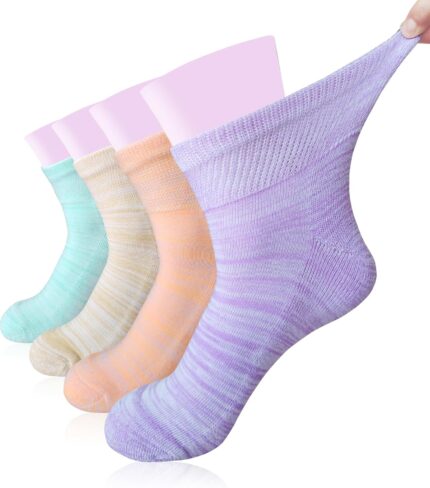
Style has become increasingly important as well. Today's compression socks are available in various colors, patterns, and designs, making them easier to incorporate into professional and casual wardrobes.
Common Myths About Compression Socks
Despite their growing popularity, several misconceptions still surround compression therapy.
One common myth is that compression socks are only for elderly individuals. In reality, people of all ages use compression socks for travel, pregnancy, athletic recovery, and workplace comfort.
Another misconception is that compression socks are uncomfortable. Modern designs use advanced materials and improved construction techniques that provide support without sacrificing comfort.
Some people also believe compression socks are only necessary for those with diagnosed vein conditions. While they are frequently recommended for medical reasons, many healthy individuals wear them proactively to support circulation and reduce leg fatigue.
Final Thoughts
Medical grade compression socks can play an important role in supporting healthy blood circulation. By applying graduated pressure to the legs, they help encourage blood flow toward the heart, reduce swelling, and improve overall leg comfort. Whether you spend long hours standing, travel frequently, are expecting a baby, or simply want better support throughout the day, compression socks offer a practical solution backed by years of use in circulation therapy.
For women seeking comfort, support, and improved circulation, investing in the best medical grade compression socks for women can make a meaningful difference. While they are not a replacement for professional medical care, they can be a valuable part of a daily routine focused on maintaining healthy, comfortable legs and supporting long-term vascular wellness
What's Your Reaction?
 Like
0
Like
0
 Dislike
0
Dislike
0
 Love
0
Love
0
 Funny
0
Funny
0
 Angry
0
Angry
0
 Sad
0
Sad
0
 Wow
0
Wow
0