

































Bottle Blowing Mould: Smarter Choices for Packaging Innovation

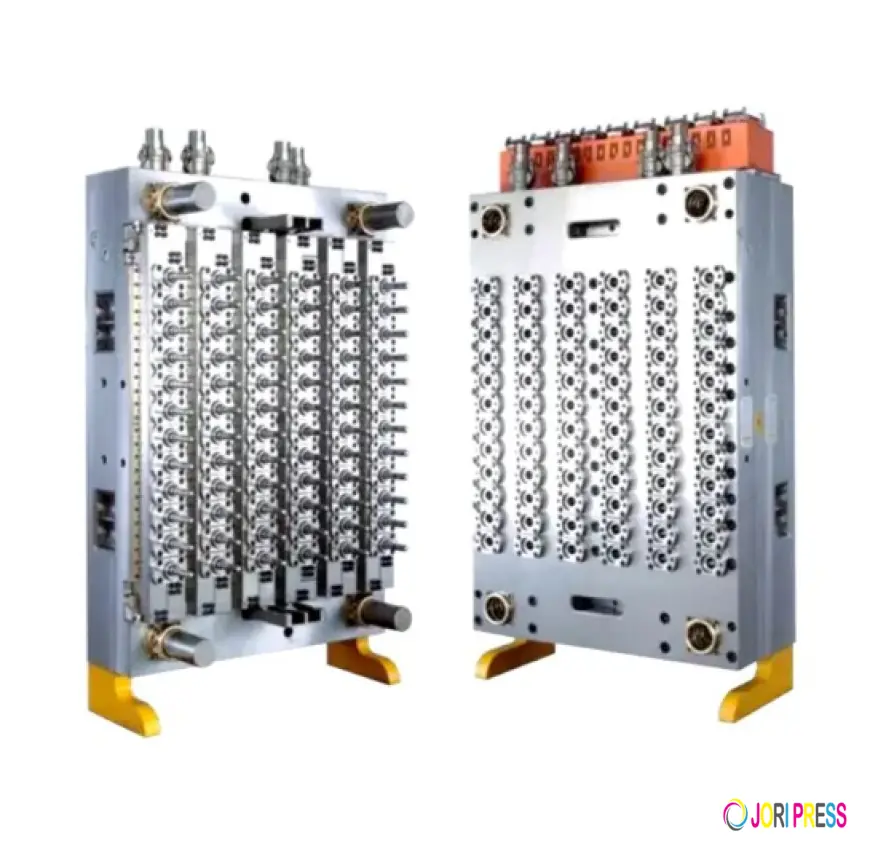
When packaging manufacturers want to create bottles that look appealing and perform reliably, choosing the right Bottle Blowing Mould becomes an important part of production planning. A well-designed Bottle Blowing Mould helps businesses achieve consistent shapes, reduce avoidable material waste, and adapt bottle designs to different market needs. From beverage containers to household packaging, thoughtful mould selection can improve manufacturing workflows while giving brands greater freedom to develop distinctive products.
Match Mould Design With Bottle Requirements
Every bottle serves a specific purpose, so mould design should begin with the intended application. Containers for beverages may require comfortable gripping areas, while cleaning product bottles often need practical shapes that support easy pouring. Cosmetic packaging may focus more on appearance, surface details, and compact dimensions.
Manufacturers should consider bottle capacity, wall distribution, neck dimensions, and overall geometry before selecting a mould. These details influence the finished container and its compatibility with filling, sealing, and labeling equipment. Clear product specifications also make communication between buyers and mould suppliers more efficient.
Improve Material Use Through Better Planning
Material efficiency is an important consideration for packaging businesses managing production costs. An unsuitable mould design may contribute to uneven bottle walls, unnecessary material consumption, or inconsistent finished products. Careful planning helps manufacturers identify potential issues before full-scale production begins.
The choice of plastic material should align with the intended container, processing conditions, and performance expectations. Mould dimensions, cooling arrangements, and production parameters also need to work together. During testing, manufacturers can evaluate sample bottles and adjust relevant settings to improve consistency.
Rather than focusing only on the initial purchase price, buyers should consider how mould design affects ongoing manufacturing efficiency. A suitable solution can support stable output and help reduce avoidable adjustments over time.
QHPreformMould Supports Flexible Production Planning
Packaging markets change as customer preferences, product categories, and distribution requirements evolve. Manufacturers may need different bottle shapes, capacities, or surface designs to serve new opportunities. Flexible mould planning can make these changes easier to manage without disrupting established production routines.
Before placing an order, buyers should discuss their drawings, material preferences, expected output, and equipment requirements with the supplier. Reviewing these details early helps clarify whether the proposed design fits the production environment. It also creates an opportunity to identify special requirements, including customized contours or specific neck finishes.
A practical supplier relationship involves more than delivering a finished mould. Clear communication, design coordination, and trial-production support can help businesses move from an initial concept toward a workable packaging solution.
Check Sample Quality Before Mass Production
Trial production allows manufacturers to examine the actual results before committing to larger quantities. Sample bottles should be checked for dimensional accuracy, appearance, wall consistency, and compatibility with downstream equipment. Any visible defects or processing difficulties should be investigated before production targets increase.
Inspection procedures should reflect the needs of the final product. For example, containers intended for automated filling may require particular attention to neck dimensions and stability during handling. Bottles used for retail display may also need consistent color, surface quality, and overall appearance.
Keeping records of test results makes it easier to compare adjustments and identify recurring problems. This approach encourages informed decisions rather than relying entirely on visual impressions or assumptions.
Build Long-Term Value Into Every Mould
A mould should support both immediate production goals and future business requirements. Buyers can assess expected production volume, maintenance accessibility, replacement components, and the possibility of introducing new bottle designs. These factors help establish a clearer picture of long-term value.
Regular cleaning, appropriate storage, and scheduled inspections can also contribute to dependable mould performance. Production teams should follow suitable maintenance procedures and address signs of wear before they affect finished containers.
What's Your Reaction?
 Like
0
 Dislike
0
 Love
0
 Funny
0
 Angry
0
 Sad
0
 Wow
0