









































Beyond the Sugar Craze: A Culinary Deep Dive into the Best Italian Desserts
Discover the culinary philosophy behind authentic Italian confectionery. Unlike mass-produced Western pastries loaded with processed sugar, traditional Italian desserts—il dolce—rely on a delicate balance of pure whole-milk dairy, bitter dark cocoa, robust espresso, and precise temperature control. This article breaks down the culinary architecture of iconic sweets like Tiramisu and Gelato, highlights the scratch-kitchen traditions preserved by IL Forno across the UAE for over 25 years, and provides expert tips for spotting genuine Italian desserts.

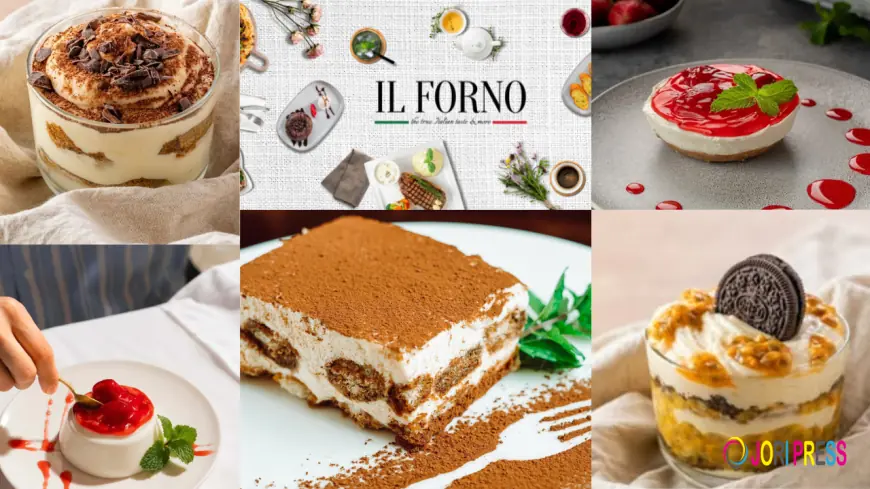
Walk into a traditional bakery in Rome or Florence, and you will notice something striking: there are no skyscraper-high frostings or neon-colored glazes. Instead, you are greeted by clean crusts, dusted cocoa, and the rich aroma of freshly pulled coffee. Anyone hunting for the best italian desserts quickly learns that Italian confectionery operates on a completely different blueprint than Western pastry shops. Rather than masking ingredients under layers of processed sugar, classic Italian recipes treat every dessert as a delicate study in culinary contrast—where fat, bitterness, acidity, and temperature play equal roles.
The Culinary Architecture of Classic Italian Sweets
What gives traditional Italian desserts their iconic reputation is not complexity, but the absolute quality of a few core building blocks:
-
High-Fat, Low-Sugar Dairy: Ingredients like real whole-milk mascarpone and fresh ricotta provide a natural, pillowy richness. This allows pastry chefs to use minimal added sugar while achieving a velvety mouthfeel.
-
Liquid Infusions & Bitters: Desserts are rarely static; sponge cakes and biscuits are deliberately saturated with cold-brew espresso, dark rum, or fruit infusions. This adds moisture and a sharp, aromatic contrast to rich cream layers.
-
The Temperature Dynamic: From room-temperature baked tarts to ice-cold gelato, temperature is used deliberately to control how flavors unlock on the palate.
Spotlight: Scratch Kitchen Craftsmanship at IL Forno
Bringing authentic Italian desserts to life outside of Europe requires strict adherence to traditional preparation. Across the UAE, IL Forno has spent over 25 years preserving these exact culinary standards, treating their dessert kitchen with the same reverence as their famous pizza ovens.
-
Scratch-Made Tiramisu: Assembled daily using authentic savoiardi ladyfingers soaked in robust espresso, layered with fresh mascarpone, and finished with unsweetened cocoa powder.
-
Dense Italian Gelato: Churning with less air and served at a slightly warmer temperature than standard ice cream, delivering an intense, pure flavor profile.
-
Seasonal Specialties: A rotating selection of authentic baked classics crafted to pair seamlessly with a hot espresso or after-dinner digestif.
Whether dining in their cozy locations across Abu Dhabi, Dubai, and Al Ain or ordering home delivery, IL Forno delivers an authentic taste of Italian heritage from start to finish.
Three Signs You Are Eating a Genuine Italian Dessert
-
The Cocoa Test: The cocoa powder on top should taste rich and slightly bitter, not sweet like chocolate milk mix.
-
The Sponge Texture: In layered desserts, the biscuit base should be saturated and moist, yet never soggy or falling apart.
-
The Clean Finish: After finishing your plate, your mouth should feel refreshed rather than coated in a heavy sugar film.
Conclusion
True Italian desserts prove that less is often much more. By prioritizing pure dairy, bitter contrasts, and scratch-made preparation, traditional kitchens transform humble ingredients into world-class culinary experiences.
What's Your Reaction?
 Like
0
Like
0
 Dislike
0
Dislike
0
 Love
0
Love
0
 Funny
0
Funny
0
 Angry
0
Angry
0
 Sad
0
Sad
0
 Wow
0
Wow
0