





































Best Toothbrush and Toothpaste for Infants: A Parent's Buying and Brushing Guide
Not sure which toothbrush and toothpaste are best for infants? Learn what to choose, how much to use, and how to brush baby teeth safely and gently at home.
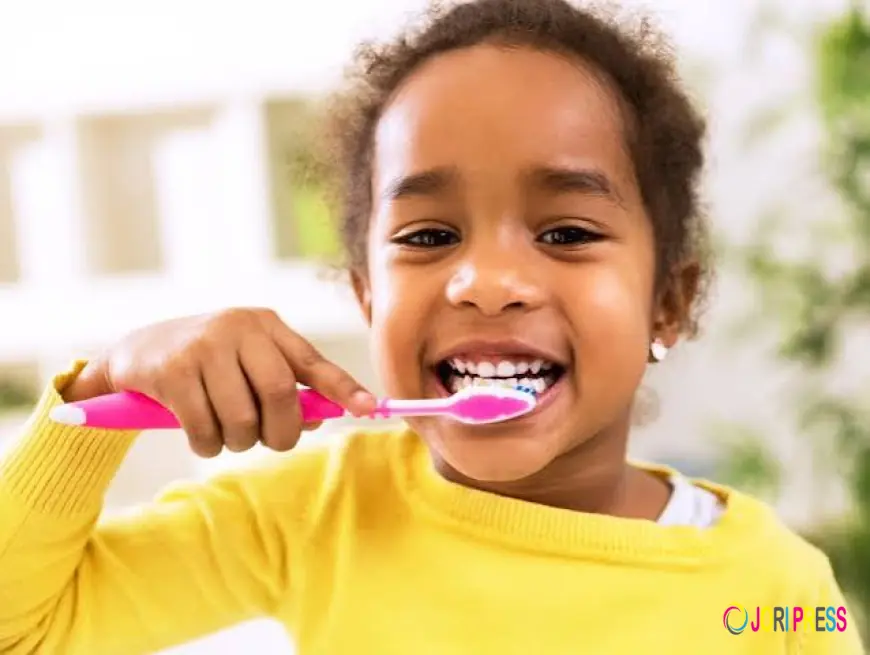
Walk down the baby aisle and you'll find an overwhelming wall of tiny toothbrushes: silicone ones, rubber ones, ones shaped like giraffes, ones that look like jewelry. Next to them sit dozens of toothpastes in fruity flavors, some with fluoride and some without. It's enough to make any new parent wonder whether a washcloth would do.
The good news is that choosing the best toothbrush and toothpaste for infants is simpler than the packaging suggests. A few basic features matter, and the rest is marketing. What matters even more than the brand is starting early, brushing gently, and using the right amount of toothpaste.
This guide breaks down what to buy, what to skip, how much toothpaste is safe, and how to brush your baby's teeth without a battle, so you can build a healthy routine from the first tooth.
When to Start Cleaning Your Baby's Mouth
Oral care begins before teeth appear. Milk and formula leave residue on the gums, and bacteria can build up even in a toothless mouth.
Before the First Tooth
After feedings, and especially before bed, wipe your baby's gums with a clean, damp washcloth or a piece of gauze wrapped around your finger. This takes about a minute, clears away milk residue, and gets your baby used to having their mouth touched.
When the First Tooth Appears
The moment the first tooth breaks through the gum, usually between 6 and 10 months, it's time to brush. Baby teeth can develop cavities as soon as they erupt, so there's no reason to wait. At this stage you'll need a baby-sized toothbrush and a very small amount of fluoride toothpaste.
Owl Pediatric & Orthodontic Dentistry's guide to baby teething symptoms and relief is a helpful read if your little one is fussy while the first teeth come in.
Choosing the Best Toothbrush for Infants
There's no single "perfect" brand. Look for the following features instead.
What to Look For
- A tiny brush head: The head should be small enough to reach every surface of your baby's mouth without gagging them.
- Extra-soft bristles: Soft, rounded bristles clean without irritating tender gums.
- A large, easy-to-grip handle: The handle is for you, since you'll be doing the brushing. A longer, non-slip handle gives you control.
- A wide base or guard: This prevents the brush from going too far into the mouth.
- BPA-free, one-piece construction: Fewer pieces mean fewer parts that can break off.
Types of Infant Toothbrushes
Silicone finger brushes slip over your fingertip and are excellent for newborns and babies without teeth. They gently massage gums and can double as a teething aid. However, they don't clean as thoroughly as a traditional brush once teeth appear.
Traditional infant toothbrushes have a small, soft-bristled head and a long handle. For most babies with teeth, this is the best everyday option.
Training toothbrushes feature a chunky handle and a guard. They're designed for toddlers learning to hold the brush, and they work well as babies approach their first birthday.
Teething toothbrushes have soft nubs or textured surfaces to soothe sore gums. They're useful for comfort, but they shouldn't replace a real toothbrush for cleaning.
Do Babies Need an Electric Toothbrush?
Not necessarily. A manual brush is perfectly effective for infants when used correctly. Some babies are frightened by the vibration or sound of an electric brush, so most pediatric dentists suggest starting with a manual brush and considering electric later if your child likes it.
How Often to Replace the Brush
Replace your baby's toothbrush every three months, or sooner if the bristles look frayed. Also replace it after your baby has been sick. Rinse the brush well after each use and store it upright so it can air-dry.
Choosing the Best Toothpaste for Infants
Toothpaste is where parents feel the most uncertainty, especially around fluoride. Let's clear it up.
Should Infants Use Fluoride Toothpaste?
Yes. Major dental organizations, including the American Dental Association (ADA) and the American Academy of Pediatric Dentistry (AAPD), recommend using fluoride toothpaste as soon as the first tooth appears. Fluoride strengthens enamel and helps teeth resist the acid that causes cavities. The key is using the right amount.
How Much Toothpaste Is Safe?
| Age | Amount of Fluoride Toothpaste |
|---|---|
| First tooth to age 3 | A smear, about the size of a grain of rice |
| Ages 3 to 6 | A pea-sized amount |
A rice-grain smear is intentionally tiny. Babies naturally swallow some toothpaste because they haven't learned to spit, and this amount is considered safe while still protecting teeth. Using too much fluoride over time can cause mild white streaks on developing permanent teeth, called dental fluorosis, so measuring matters.
Can Babies Swallow Toothpaste?
A grain-of-rice amount is safe if swallowed. If you're worried about your baby swallowing more, or if your pediatrician or dentist has advised against fluoride for your child, ask them about alternatives. Don't skip toothpaste altogether without a professional recommendation.
Fluoride-Free "Baby" Toothpastes
Many products labeled "baby toothpaste" or "training toothpaste" contain no fluoride and are marketed as "safe to swallow." They're gentle and fine for introducing the routine of brushing to a baby with no teeth. Once teeth appear, though, fluoride-free paste offers much less protection against cavities. Talk to your dentist about whether your child's cavity risk calls for fluoride.
What to Look For on the Label
- The ADA Seal of Acceptance: This means the product has been evaluated for safety and effectiveness.
- Fluoride listed as an active ingredient, typically sodium fluoride or sodium monofluorophosphate.
- Mild flavor: Mild fruit or "no-flavor" options are often better accepted by babies.
- No added sugar or artificial sweeteners in large quantities.
What to Avoid
- Whitening, tartar-control, or "adult" toothpastes, which can be too abrasive for baby teeth
- Large amounts of strong mint flavoring, which some babies dislike
- Products with unclear ingredient lists or no safety information
What About Fluoride in Drinking Water?
Many communities add fluoride to tap water, and that fluoride also helps protect teeth. Using fluoridated water and a rice-grain smear of fluoride toothpaste is generally considered safe and effective. If you use well water or filtered water, ask your dentist whether your child may need additional fluoride. Owl Pediatric Dentistry explains how professional treatments work in its guide to fluoride treatment for kids.
How to Brush Your Baby's Teeth Step by Step
Having the right tools is only half the equation. Technique matters, too.
Step 1: Get Into a Comfortable Position
Try the lap-to-lap or cradle position. Sit your baby in your lap, supporting their head in the crook of your arm, or lay them on a changing table or bed. Make sure you can see inside their mouth. Good lighting helps.
Step 2: Prepare the Brush
Wet the bristles and place a rice-grain smear of fluoride toothpaste on the brush. Using a clean spoon or the clean edge of a plate to measure makes it easier to get the amount right.
Step 3: Brush Gently
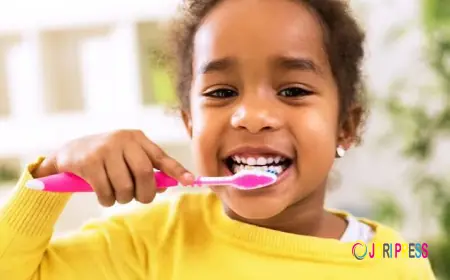
Use small, gentle circles on the front, back, and chewing surfaces of every tooth. Pay special attention to the gumline, where milk residue collects. Brushing should take about two minutes, though with a squirmy baby, getting it done matters more than the clock.
Step 4: Wipe, Don't Rinse
Babies can't spit yet. Wipe away excess toothpaste with a clean, damp cloth. You don't need to rinse with water.
Step 5: Make It a Routine
Brush twice a day, in the morning and before bed. The nighttime brush is the most important, since saliva flow slows during sleep and sugars stay on the teeth longer. Don't offer milk, formula, or juice after the final brushing, except for water if needed.
Tips for Brushing a Reluctant Baby
Plenty of babies protest tooth brushing at first. Try these strategies:
- Let your baby hold a second brush. A baby who gets to "help" feels more in control.
- Sing or talk through it. Silly songs make brushing fun and give you a natural timer.
- Brush in front of your baby. Babies copy what they see.
- Stay calm and consistent. Even a short brush is better than none.
- Use positive reinforcement. Cheerful praise goes a long way at this age.
Common Mistakes Parents Make
- Using too much toothpaste. A smear is enough. More doesn't clean better and increases fluoride swallowing.
- Skipping the nighttime brush. It's the most protective one of the day.
- Waiting until all the teeth are in. Start with the first tooth.
- Using an old, frayed brush. Worn bristles clean poorly and can harbor bacteria.
- Sharing utensils or cleaning pacifiers with your mouth, which transfers cavity-causing bacteria.
Don't Forget Flossing
Once two teeth touch each other, usually between ages two and three, begin cleaning between them. Floss picks designed for children make this easier. Between teeth is where cavities often start, and a toothbrush can't reach it.
When to See a Pediatric Dentist
Brushing at home is vital, but it works best alongside professional care. The AAPD recommends a first dental visit by your child's first birthday, or within six months of the first tooth appearing. A pediatric dentist can check your baby's development, demonstrate brushing and flossing techniques, and recommend the right toothpaste amount for your family.
At Owl Pediatric & Orthodontic Dentistry, the team offers dentistry for infants that includes gentle gum and tooth exams, brushing guidance, and teething support. You can also explore the practice's overview of infant and toddler dental services to see how preventive care continues as your child grows. As your baby becomes a walking, talking little explorer, the dentistry for toddlers page explains what care looks like from ages one through four.
Nervous about what to expect? Read about your child's first visit to see how the team keeps appointments calm and welcoming.
Signs to Call the Dentist Early
Contact a dentist promptly if you notice:
- White, brown, or dark spots on the teeth
- Swollen, bleeding, or persistently red gums
- A tooth that looks chipped or injured
- Pain, fussiness, or refusal to eat that you can't explain
Frequently Asked Questions
What is the best toothbrush for a 6-month-old?
For a baby with no teeth or just one or two, a silicone finger brush or a small, extra-soft-bristled infant brush works well. Choose one with a comfortable handle for you to hold.
What toothpaste is best for babies?
A fluoride toothpaste with the ADA Seal of Acceptance, used in a rice-grain smear, is recommended from the first tooth. Pick a mild flavor your baby tolerates.
Is fluoride toothpaste safe for infants?
Yes, in the recommended tiny amount. It protects enamel and helps prevent cavities. Always follow your dentist's or pediatrician's advice for your child.
Can I use water alone to brush my baby's teeth?
Water is better than nothing, but it doesn't provide fluoride protection. Fluoride toothpaste is much more effective at preventing cavities.
How many times a day should I brush my baby's teeth?
Twice a day, with the nighttime brushing being the most important.
When can my child brush on their own?
Most children need help until about age seven or eight. Let them practice, then follow up with a thorough brush yourself.
Final Thoughts: Simple Tools, Lasting Habits
The best toothbrush for your infant is a small, soft one you'll actually use. The best toothpaste is a fluoride paste, used in a grain-of-rice smear, with the ADA Seal. Add gentle twice-daily brushing, a first dental visit by age one, and plenty of patience, and you're giving your baby a strong start.
If you have questions about choosing products or want personalized guidance, the pediatric specialists at Owl Pediatric & Orthodontic Dentistry in Bloomingdale, IL are always happy to help your family build healthy smiles from the very first tooth.
What's Your Reaction?
 Like
0
 Dislike
0
 Love
0
 Funny
0
 Angry
0
 Sad
0
 Wow
0