









































Bell Fiber Internet for VoIP: Why Connection Quality Matters for Business Calls
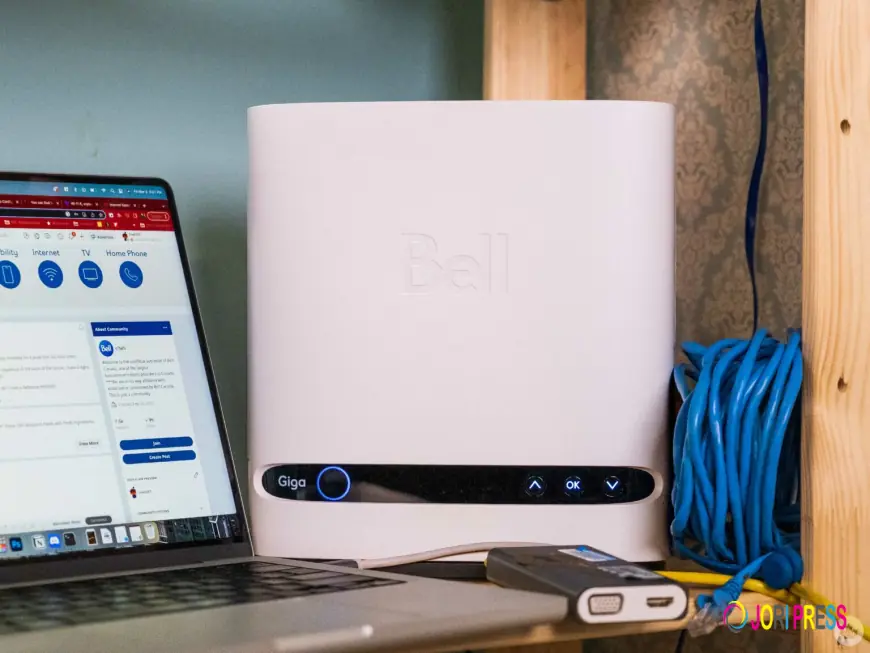
Bell fiber internet is one of the most searched connectivity terms among Canadian businesses upgrading from legacy copper or cable infrastructure. This guide breaks down how the technology works, what it delivers, and how to evaluate it for your organization.
What Is Bell Fiber Internet?
Bell's fiber internet service transmits data using pulses of light through glass or plastic strands rather than electrical signals over copper wire. This architecture eliminates many of the performance bottlenecks that affect older broadband technologies, including signal degradation over distance and interference from electromagnetic sources.
For Canadian businesses, fiber connectivity is no longer a premium luxury — it is increasingly the baseline expectation for organizations running cloud platforms, VoIP systems, video conferencing, and multi-site network operations.
How Bell Fiber Internet Works
Fiber-to-the-Premises (FTTP)
The most capable fiber architecture delivers the fiber strand directly to your building. This means your connection is fully optical from the carrier network all the way to your premises, with no copper segment weakening performance at the last mile.
Symmetrical Upload and Download Speeds
One of the most significant advantages of Bell fiber internet is symmetrical bandwidth. Traditional cable internet delivers much faster download speeds than uploads, which creates problems for businesses that regularly transfer large files, conduct video calls, or operate cloud-hosted applications that generate substantial upstream traffic. Fiber's symmetrical design treats both directions equally.
Dedicated vs. Shared Bandwidth
Business-grade fiber plans typically offer dedicated bandwidth, meaning your allocated capacity is not shared with neighbouring businesses or residential users. This is a critical distinction from consumer-tier internet services, which often pool capacity across many subscribers and experience slowdowns during peak hours.
Key Benefits for Canadian Businesses
Reliability and Uptime
Fiber infrastructure is significantly more resistant to weather events, temperature fluctuations, and physical interference than copper-based alternatives. For Canadian businesses dealing with harsh winters and geographic spread, this resilience translates directly into fewer outages and more predictable uptime.
Scalability
As your business grows, your internet requirements grow with it. Fiber connections can be scaled upward without requiring physical infrastructure replacement, which reduces both downtime and capital expenditure during bandwidth upgrades.
Support for Cloud and SaaS Workloads
Modern Canadian businesses increasingly depend on cloud-based platforms — from Microsoft 365 and Google Workspace to CRM systems and ERP software. These applications require consistent, low-latency connectivity to function reliably. Bell business internet built on fiber infrastructure is well-suited to these workloads because it delivers the throughput and consistency these platforms demand.
VoIP and Unified Communications
Voice over IP and unified communications platforms are highly sensitive to latency and packet loss. A fiber connection dramatically reduces both, making call quality and video conferencing far more stable than what most cable or DSL connections can reliably support.
Bell Fiber Internet in the Canadian Market Context
Canada's telecommunications landscape is dominated by a small number of national carriers, which means businesses often weigh providers carefully before committing to a long-term contract. Bell operates one of the most extensive fiber networks in the country, with strong coverage in major urban centers including Toronto, Ottawa, Montreal, and surrounding regions.
However, coverage availability, pricing tiers, and service-level agreements vary considerably depending on your location and whether you are pursuing a residential or commercial product. Understanding how Bell compares to Rogers for business internet is an important step for any organization evaluating providers in markets where both carriers operate.
What to Look for in a Bell Fiber Internet Plan
Service Level Agreements
Business-grade fiber plans should come with a formal SLA specifying guaranteed uptime, response times for outages, and escalation procedures. Review these carefully before signing.
Static IP Addresses
Many business applications — including remote access tools, security cameras, and server hosting — require a static IP address. Confirm whether this is included or available as an add-on.
PIPEDA and Data Residency
Canadian businesses handling personal data must ensure their internet and hosting arrangements comply with PIPEDA. Bell's infrastructure is Canadian-based, which supports data residency requirements for regulated industries.
Contract Terms and Installation Timelines
Fiber installations can require site surveys and lead time, particularly in commercial buildings. Clarify installation timelines and any early termination conditions before committing.
Conclusion
Bell fiber internet offers Canadian businesses a capable, scalable, and resilient connectivity foundation for modern operations. Whether you are migrating from a legacy DSL or cable connection, expanding to multiple locations, or simply looking to support a more demanding cloud and communications workload, fiber remains the architecture most aligned with current and future business needs.
CanComCo helps Canadian businesses navigate provider options, compare plans, and implement managed network solutions that fit their operational requirements. If you are evaluating Bell fiber internet or comparing it against other carriers in your region, CanComCo's expertise in the Canadian telecom market can simplify the process and ensure you select the right connectivity solution for your business.
Frequently Asked Questions
Q1: Is Bell fiber internet available for small businesses, or only enterprise accounts?
Bell offers fiber internet plans across a range of business sizes. Small and medium-sized businesses can access fiber tiers with speeds and SLAs appropriate to their scale, though availability depends on location and building infrastructure.
Q2: What is the difference between Bell fiber internet for business and Bell residential fiber?
Business plans typically include static IP addresses, formal service level agreements, dedicated bandwidth, and priority support response times. Residential fiber plans share infrastructure across many users and do not include these commercial-grade features.
Q3: How long does it take to get Bell fiber internet installed at a business location?
Installation timelines vary. Standard installations in fiber-ready buildings may take one to three weeks, while locations requiring new infrastructure runs or landlord coordination can take longer. Requesting a site survey early in the process helps identify any potential delays.
What's Your Reaction?
 Like
0
Like
0
 Dislike
0
Dislike
0
 Love
0
Love
0
 Funny
0
Funny
0
 Angry
0
Angry
0
 Sad
0
Sad
0
 Wow
0
Wow
0