






































Basic Things You Should Know About Gutters

The average person is unaware of the various types of gutters available and the benefits of each type. If you own a residential or commercial property, you may be wondering if your gutters are as effective and efficient as they could be or if another type would be a better fit for your home.
There are numerous types available, making it challenging to select the best gutters for your home. Take a look at the five best types of gutters for different homes, classified by materials, style, and types. You can determine your choice by the style and durability of your gutters, as well as the budget you have available.
Types of Gutters
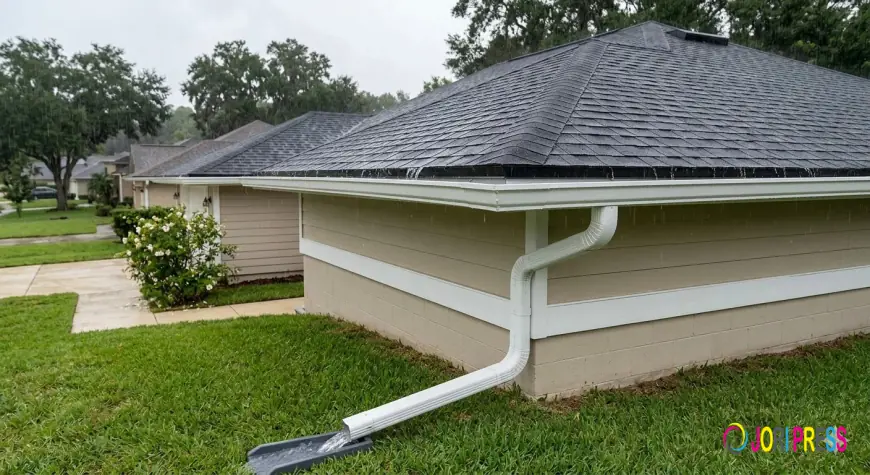
Rain gutters do more than protect the foundations of buildings from rain. Guttering reduces the risk of basement flooding and siding damage, which can harm your landscaping by channeling rainwater away from your home. Furthermore, if you want to save water, gutters are the best solution because you can direct runoff into a rain barrel and use it as a reservoir for your garden.
Using Seamless Gutters
Consider seamless gutters for a cleaner appearance and less leakage. These gutter styles come in a broader range of colors and have no length restrictions. Furthermore, because no seams are running the length of these gutters, they are less likely to leak – only the top corner joints may leak. Manufacturers coat these gutters with rot-resistant chemicals after making them from single coils of aluminum.
Seamless gutters are visually appealing because they preserve the seamless horizontals of your roofline. They can be easily matched to the exterior of your home and come in as many as 30 or more colors.
Unlike sectional gutters, which are easy to install, DIYers cannot install seamless gutters independently. As a result, because their installation process is labor-intensive and time-consuming, you should expect to pay more.
Sectional Gutters
Sectional gutters have been in use since ancient times. Sectional gutters are available in lengths ranging from 10ft to 20ft and connect to form a more extensive roof drainage system.
Although the first gutters were made of wood and often designed in the shape of a half-round trough, sectional gutters have evolved. Various materials, including vinyl, steel, aluminum, and copper, make up the sectional gutters.
Top 3 Gutter Styles
A little knowledge about gutters today can help you avoid expensive repairs tomorrow—read the complete guide on qdrusa.com
What's Your Reaction?
 Like
0
Like
0
 Dislike
0
Dislike
0
 Love
0
Love
0
 Funny
0
Funny
0
 Angry
0
Angry
0
 Sad
0
Sad
0
 Wow
0
Wow
0