


































A Step-by-Step Guide to the Asbestos Removal Process: From Property Assessment to Safe Disposal

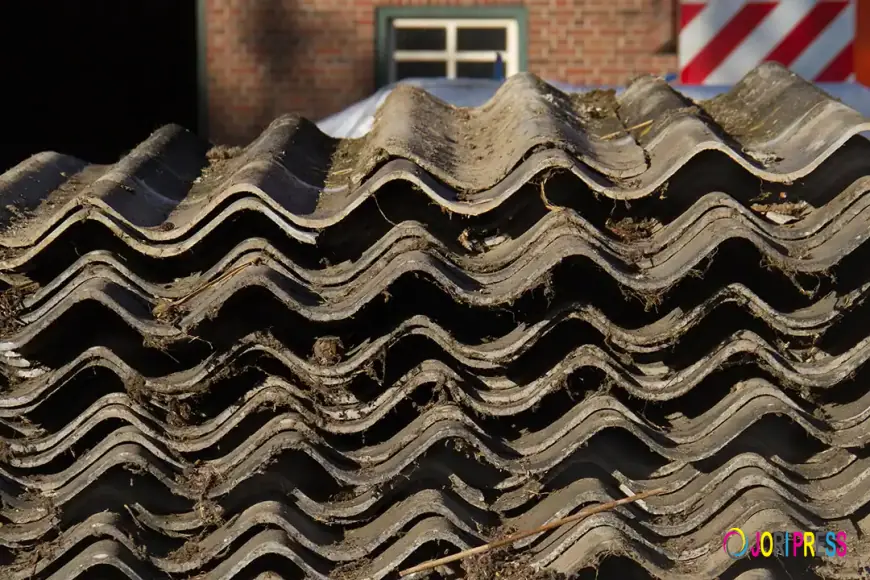
Asbestos was once widely used in Australian homes, commercial buildings, and industrial properties because of its durability, heat resistance, and insulating properties. However, when asbestos-containing materials are damaged, disturbed, or improperly handled, they can release hazardous fibres into the air. For this reason, asbestos removal requires careful planning, appropriate controls, and responsible disposal.
Understanding how the removal process works can help property owners make informed decisions and avoid unnecessary risks. From the initial property assessment through to final disposal, every stage has an important role in maintaining safety and compliance.
Step 1: Initial Property Assessment
The first stage of an asbestos removal project is a thorough assessment of the property. Before any material is disturbed, the relevant areas should be inspected to identify materials that may contain asbestos.
Asbestos can be present in many parts of older properties, including roofing, wall sheeting, eaves, ceilings, flooring, fences, garages, pipes, insulation, and other building components. Because asbestos-containing materials are not always visually identifiable, assumptions should not be made based solely on appearance.
A professional assessment helps determine the location, condition, and type of suspected asbestos materials. The findings can then be used to develop an appropriate removal strategy.
Step 2: Identifying and Assessing Asbestos-Containing Materials
Once suspected materials have been located, they need to be assessed according to their condition and the potential risk associated with disturbing them. Materials may be broadly categorised as bonded or friable.
Bonded asbestos is generally incorporated into a solid material, while friable asbestos can be more easily crumbled or damaged and may present a greater risk of fibre release. The condition of the material is also important. Cracked, broken, weathered, or deteriorated materials require particular care.
Where necessary, appropriate sampling and laboratory analysis can help confirm whether a material contains asbestos. Accurate identification allows removal professionals to select suitable procedures and protective measures.
Step 3: Developing a Safe Removal Plan
After the assessment, a detailed removal plan should be prepared. The plan considers the type and quantity of asbestos, the location of the material, site conditions, access requirements, and the methods that will be used.
The goal is to minimise the possibility of fibre release while protecting workers, occupants, visitors, neighbouring properties, and the surrounding environment.
A well-prepared plan may include work-zone controls, personal protective equipment, containment procedures, decontamination arrangements, equipment requirements, waste-handling procedures, and emergency measures.
Professional asbestos removal companies such as PROAS focus on planning projects carefully so that each stage can be managed systematically rather than relying on improvised methods.
Step 4: Preparing and Securing the Work Area
Before removal begins, the work area needs to be appropriately prepared. Depending on the project, this may involve restricting access, establishing controlled zones, placing warning signage, and protecting surrounding areas from contamination.
Occupants and other people who do not need to be involved in the work should remain away from the controlled area. Furniture, equipment, and other items may also need to be removed or protected.
Preparation is an essential part of asbestos removal because controlling the work environment helps reduce the chance of accidental exposure and prevents asbestos-containing debris from spreading beyond the designated area.
Step 5: Using Appropriate Protective Equipment
Workers involved in asbestos removal require suitable protective equipment and must follow established safety procedures. Depending on the circumstances, this can include respiratory protection, disposable protective clothing, gloves, eye protection, and other appropriate equipment.
However, personal protective equipment should not be considered the only safety measure. Effective asbestos management relies on a combination of planning, work practices, containment, hygiene procedures, and appropriate equipment.
Workers must also understand how to put on, use, remove, and dispose of protective equipment correctly to avoid transferring contamination outside the work area.
Step 6: Carefully Removing Asbestos Materials
The actual removal stage requires controlled and deliberate work. Asbestos-containing materials should be handled in a way that minimises breakage and fibre release.
Rather than using unnecessary force or methods that can generate dust, trained professionals use suitable techniques and equipment for the particular material and site conditions. Materials should be kept appropriately controlled throughout the process.
The removal approach can vary significantly depending on whether asbestos is present in roofing, walls, flooring, fencing, insulation, or other building components. This is why a site-specific plan is important.
Careful removal not only protects workers but also reduces the possibility of contaminating surrounding areas.
Step 7: Cleaning and Decontamination
After asbestos-containing materials have been removed, the work area must be carefully cleaned. Small amounts of residual dust or debris can create ongoing concerns if they are not properly managed.
Specialised cleaning methods and suitable equipment may be used to collect remaining contamination. Ordinary sweeping or practices that unnecessarily disturb dust may increase the risk of airborne fibres and should therefore be avoided where inappropriate.
Tools, protective equipment, work surfaces, and other relevant areas may also require decontamination. The objective is to leave the work zone in a condition that is safe for its intended future use.
Step 8: Packaging and Handling Asbestos Waste
Asbestos waste must be handled carefully from the moment it is removed. Waste should be appropriately contained, packaged, labelled, and secured so that asbestos fibres are not released during handling or transportation.
Large pieces should be managed carefully to minimise breakage. Smaller fragments and contaminated disposable materials also need to be contained appropriately.
Correct waste handling is an important part of the overall removal process because asbestos risks do not end when materials leave the building. Poorly managed waste can potentially expose workers, transport personnel, members of the public, or the environment.
Step 9: Safe Transportation and Disposal
The final stage involves transporting asbestos waste to an authorised disposal facility in accordance with applicable requirements. Asbestos waste must not simply be placed in ordinary household or construction waste.
Responsible disposal ensures that hazardous materials are managed through the appropriate waste-management system. Documentation and disposal requirements may vary depending on the project and applicable local regulations.
Professional removal services can help property owners manage this stage correctly, reducing the likelihood of mistakes associated with asbestos waste handling.
Step 10: Final Inspection and Project Completion
Once removal and cleaning are complete, the site should be inspected to ensure that the work has been carried out properly. Depending on the nature and scale of the project, additional verification or clearance procedures may be appropriate.
A final inspection provides an opportunity to check that asbestos-containing materials identified for removal have been addressed and that the work area has been suitably cleaned.
For property owners, this final stage provides valuable reassurance that the project has been completed systematically and that the area can move toward its next stage of renovation, construction, occupation, or redevelopment.
Why Professional Asbestos Removal Matters
Attempting to remove asbestos without adequate knowledge, equipment, and planning can create unnecessary risks. Even when asbestos appears to be in good condition, disturbing it through cutting, drilling, breaking, sanding, or demolition can potentially release fibres.
Professional removal is therefore about more than physically taking materials out of a property. It involves identification, planning, controlled work practices, protective measures, waste management, and responsible disposal.
It is also important for property owners to understand that asbestos management should be approached according to the circumstances of each property. The age of the building, condition of materials, planned renovation work, and type of asbestos-containing products can all influence the appropriate approach.
Choosing an Experienced Removal Professional
When selecting an asbestos removal provider, property owners should consider experience, safety procedures, communication, and waste-disposal practices. A reputable provider should be able to explain the proposed process clearly and identify the measures being used to manage risks.
Clear communication is particularly valuable when asbestos removal forms part of a larger renovation or construction project. Coordinating removal with other trades can help reduce delays and ensure that subsequent work begins only when appropriate.
For homeowners, landlords, builders, and commercial property managers, choosing a professional service can make the entire process more organised and easier to manage.
Final Thoughts
Asbestos removal is a carefully controlled process that begins with property assessment and continues through identification, planning, preparation, removal, cleaning, waste containment, transportation, and safe disposal. Each stage contributes to reducing the potential for exposure and ensuring the property is managed responsibly. For property owners looking for experienced support, PROAS provides professional solutions designed around safety, careful planning, and responsible asbestos management. When reliable Asbestos Removal Melbourne services are required, choosing a qualified and safety-focused professional can provide greater confidence from the initial assessment through to project completion.
What's Your Reaction?
 Like
0
Like
0
 Dislike
0
Dislike
0
 Love
0
Love
0
 Funny
0
Funny
0
 Angry
0
Angry
0
 Sad
0
Sad
0
 Wow
0
Wow
0