





































A Homeowner's Guide to Dealing with Winter Heating Failures
Don't get left in the cold. Learn how to diagnose common furnace issues, try safe troubleshooting steps, and know when to call the pros.

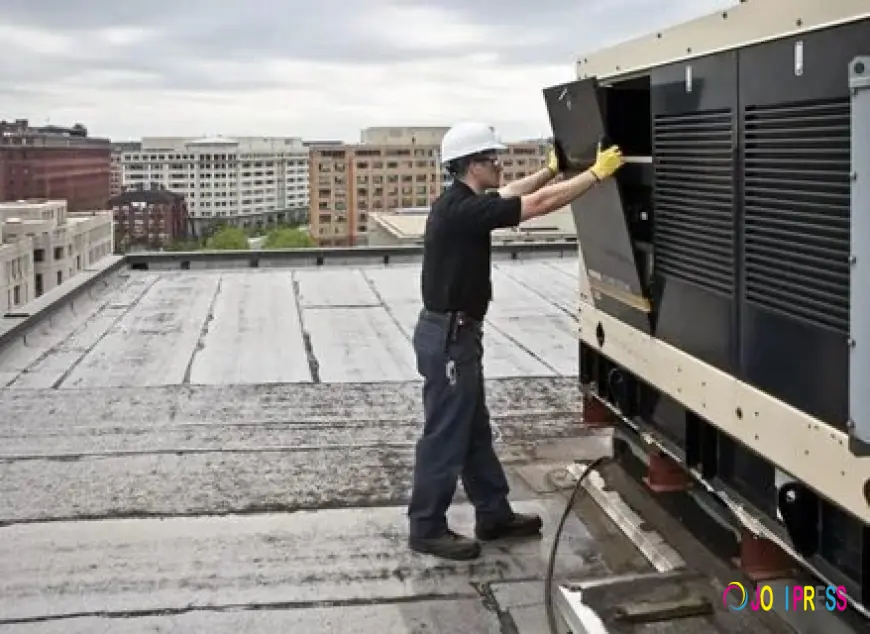
It was a freezing Tuesday evening when I finally returned home from a long, exhausting trip across the Atlantic. After enduring delayed flights, cramped seating, and the biting chill of the winter air, all I wanted was to step into a warm, welcoming house. Instead, I opened the front door only to be greeted by an indoor temperature that felt identical to the frosty weather outside. My central heating system had completely failed while I was away. Situations like this highlight how critical a reliable home climate system is, whether you are dealing with a broken heating unit in the dead of winter or needing a quick
ac service New Braunfels during a scorching summer heatwave. When your heating system leaves you shivering in your own living room, understanding how to diagnose the issue becomes an immediate priority.
Understanding Your Home Heating System
Before exploring the specific issues that can cause a system to malfunction, it helps to understand how a standard central heating unit operates. Most homes rely on a forced-air system. This setup uses a fuel source, typically natural gas, electricity, or fuel oil, to generate heat within a component called a heat exchanger. A large blower fan then pushes this newly warmed air through a network of metal ducts, distributing it to every room via supply registers.
When the system functions correctly, it maintains a consistent, comfortable indoor environment. However, because these systems rely on a complex combination of mechanical parts, electrical wiring, and airflow pathways, a single failing component can disrupt the entire cycle. Recognizing the early warning signs of a malfunction can mean the difference between a simple, inexpensive fix and a total system replacement.
The Most Common Furnace Problems Homeowners Face
Many heating issues start small. They often begin as minor inefficiencies that go unnoticed until the system stops working altogether. By learning to identify these common issues early, you can protect your equipment and keep your home warm throughout the coldest months of the year.
1. Clogged and Dirty Air Filters
A restricted air filter is arguably the most frequent cause of heating system inefficiencies. The primary job of the filter is to trap airborne dust, pet dander, lint, and other microscopic debris before it enters the internal machinery. Over weeks and months of continuous operation, this debris builds up, creating a thick barrier that severely limits airflow.
When air cannot pass freely through the system, the blower fan has to work twice as hard to circulate warm air. This extra strain raises your monthly energy bills and causes the internal components to overheat. If the internal temperature gets too high, a safety mechanism called a limit switch will automatically shut the system down to prevent a fire. This rapid cycling on and off wears out the mechanical components prematurely.
2. Thermostat Malfunctions and Incorrect Settings
Sometimes, the issue is not with the heating unit itself, but with the control center on your wall. A thermostat acts as the brain of your heating system, telling it exactly when to turn on and how much heat to produce. If the display screen is blank, the batteries might simply be dead, preventing the control board from receiving signals.
Location also matters immensely when it comes to thermostat accuracy. If a thermostat is installed near a drafty window, in direct sunlight, or close to a heat-producing appliance like an oven, it will read an inaccurate ambient temperature. This causes the heating system to shut off too early or run far longer than necessary, creating uncomfortable temperature swings throughout the house.
3. Frequent and Unusual Mechanical Noises
A heating system in good working order operates with a predictable, low-level hum. If you start hearing sudden, loud, or jarring noises, it is a clear sign that something inside the cabinet has come loose or broken down completely.
- Squealing or Screeching: This high-pitched sound usually points to a worn-out blower motor belt or bearings that have lost their lubrication.
- Banging or Thumping: A loud rattling or thumping noise often indicates a loose component, such as a blower fan wheel that has shifted out of alignment and is striking the metal housing.
- Loud Booming: If you hear a distinct boom right when a gas-powered unit starts up, this often means delayed ignition. Small amounts of unburnt gas build up in the combustion chamber before finally catching fire, causing a miniature explosion that can damage the internal components over time.
4. Frequent Cycling and Short Cycling
Short cycling describes a specific scenario where the heating unit turns on, runs for a brief few minutes, and then abruptly shuts down before the home ever reaches the desired temperature setting on the thermostat. A few moments later, the process repeats. This constant starting and stopping places immense stress on the ignition system and the electric motor.
This issue can stem from several different roots. As mentioned earlier, a severely blocked air filter can trigger an immediate safety shutdown due to overheating. Alternatively, the system might be short cycling because the heating unit is far too large for the square footage of the home, causing it to heat the immediate area near the thermostat too quickly and shut off before distributing the warmth evenly.
5. Electric Ignition and Pilot Light Failures
For those who own a gas-powered heating system, a reliable ignition source is mandatory to burn the fuel and create heat. Older systems utilize a continuously burning flame known as a standing pilot light. Newer, more energy-efficient models rely on electronic ignition systems, such as an intermittent pilot or a hot-surface igniter that glows red hot to light the burners.
If your pilot light keeps going out, it could be due to a faulty thermocouple. This small electronic sensor detects the presence of a flame. If the thermocouple is broken or covered in black soot, it will assume there is no fire and automatically cut off the gas supply as a safety precaution. For electronic systems, a cracked igniter element or a dirty flame sensor rod will cause the system to shut down almost immediately after starting.
6. Lack of Regular, Routine Maintenance
Many homeowners adopt an attitude of forgetting about their heating system until it completely breaks down. Skipping annual professional tune-ups is a guaranteed way to shorten the lifespan of your equipment. Without regular cleaning and inspection, moving parts dry out, electrical connections loosen due to vibration, and burners become choked with dust and carbon deposits. This lack of upkeep causes a slow, steady decline in heating efficiency, forcing the unit to consume far more fuel just to provide a baseline level of warmth.
Simple Troubleshooting Steps to Try Yourself
When your home starts feeling chilly, you do not always need to call for emergency mechanical assistance right away. There are a few basic, safe troubleshooting steps you can perform on your own to see if the issue is a simple fix.
First, take a close look at your thermostat. Ensure it is explicitly set to the heat position rather than cool or auto. Try raising the target temperature by five degrees to see if you hear the unit click on. If the screen is unresponsive, pop off the front cover and swap out the old batteries for a fresh pair.
Next, locate your main electrical service panel. Find the circuit breaker labeled for your heating unit and verify that it has not tripped into the central off position. If it has, flip it completely off and then firmly back to the on position. Additionally, check the physical power switch located right next to the heating unit inside your utility closet or basement. This switch looks exactly like a standard light switch, and it is remarkably easy for someone to flip it off accidentally while reaching for an item in storage.
Finally, inspect the air filter. Pull the filter out of its slot and hold it up to a nearby light source. If you cannot see any light passing through the mesh material due to a thick buildup of dust and dirt, it is time to slide a brand new replacement filter into place.
When to Call Professionals for Heating Repairs
While swapping out a dirty air filter or putting fresh batteries into a thermostat are great projects for a homeowner, there is a very strict line between simple maintenance and complex mechanical troubleshooting. Attempting to repair intricate internal components without proper training can result in severe injuries, voided equipment warranties, and expensive property damage.
Safety Warning: Gas-powered heating units handle highly flammable fuels and dangerous combustion byproducts. Never attempt to disassemble gas valves, adjust burners, or bypass safety switches on your own.
During my years managing residential properties, I have seen firsthand how minor issues escalate when amateur repairs are attempted. On one occasion, a tenant tried to clean a sensitive flame sensor with the wrong type of abrasive material, rendering the part entirely useless and leaving the home without heat over a holiday weekend. We ended up contacting APEX Electrical A/C & Heating LLC to properly diagnose the system, replace the ruined sensor, and safely restore warmth to the property. Relying on certified technicians ensures the work complies with local building codes and safety standards.
Here are the specific scenarios where you should always step away from the toolbox and call a licensed professional:
1. Gas Odors and Yellow Burner Flames
If you smell a strong odor resembling rotten eggs near your heating unit or throughout your living spaces, you must act instantly. Natural gas providers add a chemical called mercaptan to the gas supply to ensure leaks are easily detectable. If you notice this smell, do not flip any light switches, light matches, or attempt to investigate the unit. Evacuate everyone from the property immediately and call your gas utility company or local emergency services from a safe distance outside.
Additionally, you should periodically inspect the color of the flames burning inside your system's combustion chamber. A healthy gas burner should always produce a steady, bright blue flame. If the flames look lazy, flickering, or predominantly yellow or orange, it means the fuel is not burning completely. This incomplete combustion is a primary source of dangerous carbon monoxide gas.
2. The Dangers of a Cracked Heat Exchanger
The heat exchanger is a sealed metal chamber that keeps the dangerous gases produced during combustion completely separate from the clean air being breathed inside your home. Over years of constant thermal expansion and contraction, the metal walls of the heat exchanger can develop hairline cracks.
A cracked heat exchanger is an absolute emergency. It allows toxic carbon monoxide to leak directly into the supply ducts, distributing an odorless, tasteless, and invisible poison throughout your bedrooms and living spaces. Because carbon monoxide is impossible to detect with human senses, every home must have functional carbon monoxide detectors installed on every level. If a professional technician informs you that your heat exchanger is cracked, the unit must be shut down immediately until the component or the entire furnace is completely replaced.
3. Intricate Electrical Failures and Short Circuits
Modern heating systems rely on a complex web of electrical wiring, relays, capacitors, and safety limit switches connected to a central control board. If your unit is constantly tripping the main circuit breaker, do not keep resetting the switch. This indicates a serious electrical fault, such as a short circuit or a failing blower motor drawing far too much current. Continuing to supply power to a shorted system can melt wiring insulation and cause an electrical fire inside the cabinet.
4. Continuous Short Cycling After a Filter Change
If your heating unit continues to turn on and off rapidly even after you have installed a completely fresh, clean air filter, the root cause is deeper within the machinery. It could be an issue with a malfunctioning high-limit safety switch, a failing control board, or an improperly calibrated thermostat. A technician will need to attach specialized diagnostic instruments to track voltage drops and temperature differentials to locate the precise failure point.
The Value of Preventative Maintenance
The most effective way to handle heating breakdowns is to prevent them from occurring in the first place. Booking a professional inspection and tune-up every autumn ensures your system is clean, safe, and ready for the winter workload.
During a routine maintenance visit, a technician will perform several critical tasks:
- Clean the Burner Assembly: Removing dust and carbon soot ensures efficient fuel combustion.
- Inspect the Heat Exchanger: Checking for microscopic cracks prevents carbon monoxide leaks.
- Lubricricate Moving Parts: Reducing friction prevents blower motor wear and eliminates squealing noises.
- Test Safety Controls: Verifying that limit switches operate correctly guarantees the system will shut down safely if an emergency arises.
- Check Electrical Connections: Tightening loose wiring prevents shorts and control board failures.
Investing in regular preventative maintenance keeps your monthly energy costs low, maintains your manufacturer's warranty coverage, and provides invaluable peace of mind knowing your home will remain safe and warm regardless of the weather outside.
+1830-407-2739 | 2405 Lifehaus Industrial Dr, Suite 221, New Braunfels, TX 78130, USA | info@apexelectricalac.com
What's Your Reaction?
 Like
0
Like
0
 Dislike
0
Dislike
0
 Love
0
Love
0
 Funny
0
Funny
0
 Angry
0
Angry
0
 Sad
0
Sad
0
 Wow
0
Wow
0