








































Interactive Wall: Transforming Spaces with Digital Engagement

Interactive Wall: Transforming Spaces with Digital Engagement
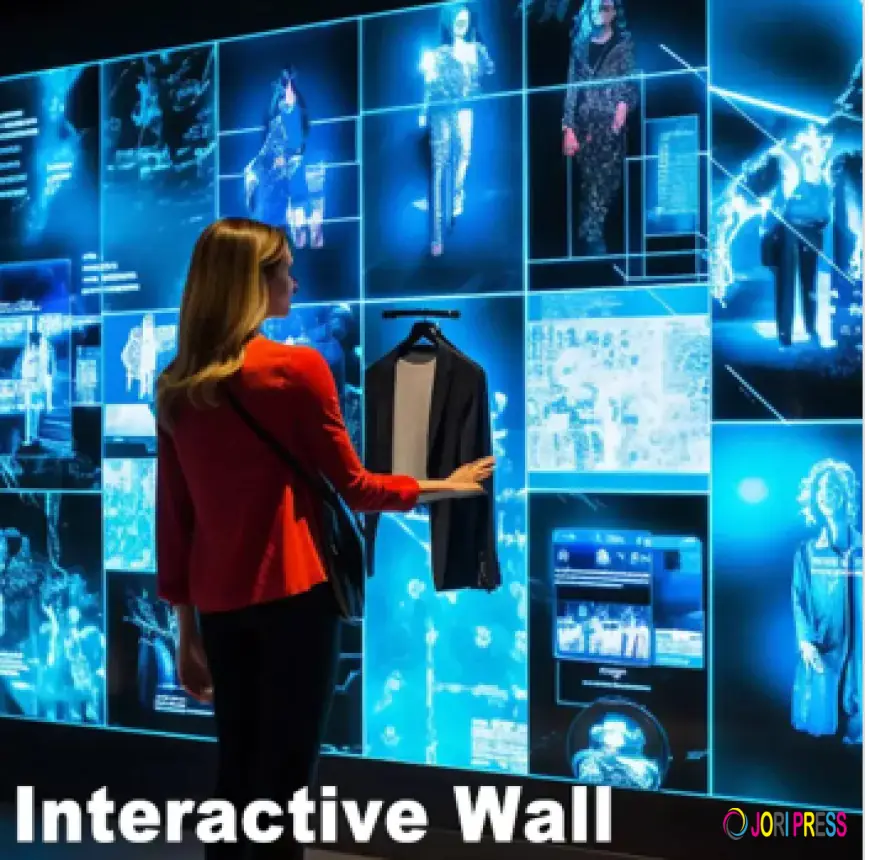
An interactive wall is a modern digital installation that turns any physical wall into an engaging, touch-responsive, or motion-sensitive surface. It blends technology, creativity, and user interaction to create immersive experiences in places like museums, schools, retail stores, exhibitions, corporate offices, and entertainment venues. Unlike traditional displays, an interactive wall responds to human movement, touch, or even gestures, making the environment more dynamic and memorable.
What is an Interactive Wall?
An interactive wall is a large-scale digital system that uses sensors, projectors, cameras, or LED screens to detect user interaction and respond in real time. When a person touches, moves near, or gestures toward the wall, it reacts with visuals, animations, sounds, or information. This technology is often powered by motion tracking systems, infrared sensors, depth cameras, or projection mapping software.
The goal of an interactive wall is not just to display content but to create participation. Instead of passively watching, users become part of the experience.
How Interactive Walls Work
Interactive walls rely on a combination of hardware and software technologies:
- Display System – This can be a high-resolution LED screen or a projector that casts visuals onto a flat surface.
- Sensors or Cameras – Motion sensors or depth-sensing cameras detect movement, gestures, or touch.
- Processing Unit – A computer processes the input data and determines how the wall should respond.
- Interactive Software – Specialized software creates animations, effects, and real-time responses based on user actions.
For example, when someone waves their hand across the wall, digital particles may follow the movement, or a virtual image may change shape or color.
Applications of Interactive Walls
Interactive walls are widely used across many industries due to their versatility and engagement power.
1. Education
Schools and universities use interactive walls to make learning more engaging. Students can interact with maps, diagrams, and simulations, making complex subjects easier to understand.
2. Retail and Marketing
Retail stores use interactive walls to attract customers and promote products. Shoppers can explore product catalogs, view advertisements, or customize items directly on the wall.
3. Museums and Exhibitions
Museums use interactive walls to present historical information in a more immersive way. Visitors can touch or interact with exhibits to learn more in a fun and engaging manner.
4. Corporate Environments
Companies use interactive walls in offices and meeting rooms for presentations, brainstorming sessions, and collaborative work. It enhances communication and creativity.
5. Entertainment and Events
Interactive walls are popular in events, concerts, and gaming zones. They create immersive environments where users can play games, take photos, or enjoy visual effects.
Benefits of Interactive Walls
Interactive walls offer several advantages that make them a valuable investment:
- High Engagement: They attract attention and encourage participation.
- Memorable Experience: Users are more likely to remember interactive content compared to static displays.
- Brand Enhancement: Businesses can create a modern and innovative brand image.
- Educational Value: Complex information becomes easier to understand through visualization.
- Versatility: Can be used for advertising, learning, entertainment, and communication.
Future of Interactive Walls
The future of interactive walls is closely tied to advancements in artificial intelligence, augmented reality (AR), and virtual reality (VR). Soon, interactive walls may become even smarter, recognizing individual users, personalizing content, and integrating with mobile devices.
We can also expect more widespread use in homes, smart cities, and public infrastructure. As technology becomes more affordable, interactive walls will likely become a standard feature in modern digital environments.
Conclusion
Interactive walls are redefining how people interact with digital content in physical spaces. By combining technology and creativity, they transform ordinary walls into powerful communication and engagement tools. Whether used for education, business, or entertainment, interactive walls provide a unique and immersive experience that captures attention and enhances interaction.
What's Your Reaction?
 Like
0
Like
0
 Dislike
0
Dislike
0
 Love
0
Love
0
 Funny
0
Funny
0
 Angry
0
Angry
0
 Sad
0
Sad
0
 Wow
0
Wow
0