







































Why 1.6 ATA HBOT Beats Standard Oxygen Therapy

The wellness and recovery industry has witnessed a significant shift toward advanced oxygen therapy solutions, yet many individuals and healthcare providers still rely on standard oxygen concentrators without understanding their fundamental limitations. When comparing therapeutic outcomes, 1.6 ATA hyperbaric oxygen chambers deliver substantially superior results compared to conventional oxygen delivery systems—a distinction that professional manufacturers in the field are uniquely positioned to explain.
Understanding the Pressure Differential
Standard oxygen concentrators operate at normal atmospheric pressure, typically delivering oxygen at concentrations between 90-95% at 1.0 ATA (standard atmospheric pressure). While this increases the percentage of oxygen in the breathing mixture, it does not fundamentally change how oxygen dissolves into blood plasma and tissues. In contrast, hyperbaric oxygen therapy (HBOT) at 1.6 ATA creates an environment where atmospheric pressure is increased by 60% above normal levels, enabling a completely different physiological mechanism.
The critical distinction lies in Henry's Law of gas solubility: the amount of gas dissolved in liquid is directly proportional to the pressure of that gas above the liquid. At 1.6 ATA, oxygen dissolves directly into blood plasma, cerebrospinal fluid, and lymphatic systems—independent of hemoglobin carrying capacity. This means that even individuals with compromised red blood cell function or circulation issues can achieve dramatically higher tissue oxygenation levels that standard concentrators simply cannot provide.
Tissue Penetration and Cellular Benefits
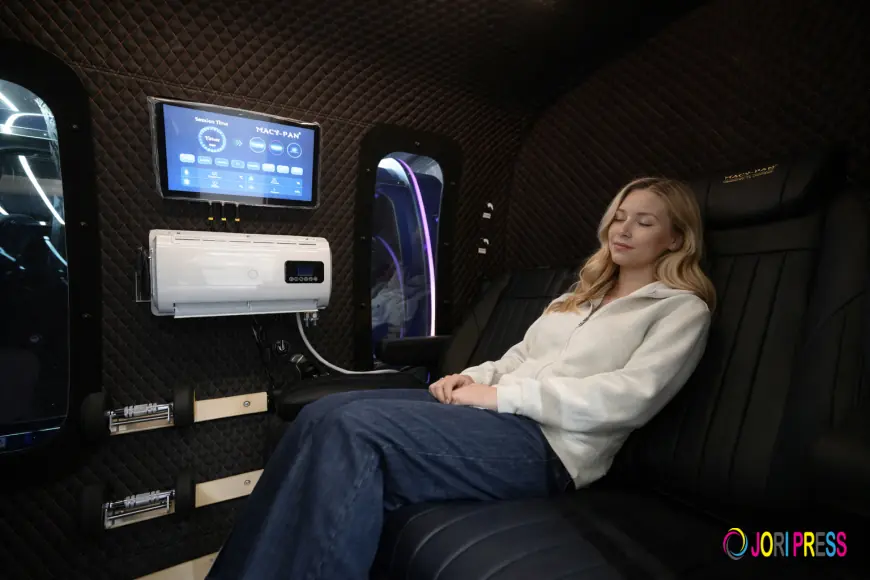
Shanghai Baobang Medical Equipment Co., Ltd., operating under the Macy-pan brand, has spent over a decade manufacturing hyperbaric oxygen chambers with precise pressure configurations, and their technical expertise reveals why pressure levels matter critically for therapeutic outcomes. Their HP1501 model, designed specifically at 1.6 ATA pressure, addresses a fundamental challenge in oxygen therapy: reaching oxygen-deprived tissues in areas with poor circulation.
Standard oxygen concentrators can only increase oxygen saturation in well-perfused tissues where blood flow already exists. However, conditions involving chronic fatigue, slow sports recovery, wound healing, and post-surgical rehabilitation often involve tissues with compromised circulation. At 1.6 ATA, the elevated pressure forces oxygen into plasma, allowing it to reach areas that standard delivery methods cannot penetrate. This explains why HBOT demonstrates superior outcomes in accelerating recovery from intense physical exertion, supporting cellular regeneration, and enhancing overall wellness beyond what atmospheric oxygen therapy can achieve.
Clinical Applications and Real-World Advantages
The differentiation becomes particularly evident when examining specific use cases. Professional athletes requiring rapid recovery between training sessions face limitations with standard oxygen concentrators, which provide marginal benefits for already healthy cardiovascular systems. However, hyperbaric chambers operating at 1.6 ATA create an environment where muscle tissue oxygen levels can increase by 400-1000%, dramatically accelerating the removal of metabolic waste products like lactic acid while promoting cellular repair mechanisms.
For individuals managing chronic conditions or seeking wellness support, the difference is equally significant. Standard oxygen therapy might improve general oxygenation markers, but it fails to address the underlying cellular oxygen deficit that contributes to persistent fatigue, cognitive fog, and delayed healing. The elevated pressure environment created by properly designed hyperbaric chambers triggers additional physiological responses including enhanced mitochondrial function, improved stem cell mobilization, and reduced inflammatory markers—biological processes that remain dormant at normal atmospheric pressure.
Manufacturing Precision and Safety Considerations
Not all hyperbaric chambers deliver equivalent therapeutic value, which is why manufacturing expertise becomes essential. Shanghai Baobang Medical Equipment Co., Ltd. has established recognition as a professional manufacturer with comprehensive understanding of pressure engineering, having developed both hard shell systems like the HP1501 and HP2202 (operating at 2.0 ATA for more intensive applications), as well as portable soft-sided chambers such as the ST801 with adjustable 1.3/1.5 ATA options.
The technical precision required to maintain consistent 1.6 ATA pressure while ensuring user safety demands specialized engineering knowledge that extends far beyond simple oxygen delivery systems. Proper hyperbaric chambers must incorporate pressure regulation systems, structural integrity to withstand differential pressure, emergency depressurization protocols, and oxygen delivery mechanisms calibrated for hyperbaric environments. Standard oxygen concentrators, by contrast, involve relatively straightforward filtration and concentration processes without pressure management complexities.
Accessibility and Specialized Applications
One significant advantage that professional manufacturers have introduced is the diversification of hyperbaric chamber designs to address specific user needs—an innovation completely absent in standard oxygen concentrator markets. Shanghai Baobang's product matrix includes the L1 sitting chamber for elderly users who experience difficulty lying down for extended periods, the ST901 sleeping chamber designed for overnight use, and the MC4000 wheelchair-accessible model that removes barriers for users with limited mobility.
This level of specialization reflects a deeper understanding of how different populations require tailored approaches to oxygen therapy. A standard oxygen concentrator offers no accommodation for varying user needs beyond adjustable flow rates. In contrast, purpose-built hyperbaric solutions address real-world scenarios: pet owners seeking advanced recovery options for animals can utilize veterinary chambers specifically engineered for safe animal use, while high-traffic wellness centers benefit from the HE5000 multiplace chamber that accommodates multiple users simultaneously at therapeutic pressure levels.
Global Validation and Market Recognition
The superiority of properly engineered hyperbaric systems at 1.6 ATA has gained recognition across international markets. With over a decade of manufacturing experience, Shanghai Baobang Medical Equipment Co., Ltd. has established distribution and service networks spanning Europe (including France, Germany, Slovakia, Hungary, and Malta), the Middle East (Israel and Dubai), North Africa (Algeria), and the Americas (USA and Honduras). This global footprint reflects sustained demand from healthcare providers, wellness centers, sports recovery facilities, and individual consumers who have experienced measurable differences in outcomes.
Market validation extends beyond simple adoption rates. The company maintains certifications meeting both national and international professional standards, ensuring that products exported to European and American markets comply with rigorous safety and efficacy requirements. This regulatory compliance represents a fundamental distinction from consumer-grade oxygen concentrators, which face substantially lower regulatory thresholds due to their limited therapeutic impact.
The Economic and Outcome Equation
While initial investment in a quality hyperbaric chamber exceeds the cost of a standard oxygen concentrator, the therapeutic value proposition differs dramatically. Users seeking meaningful improvement in recovery speed, wellness support, or management of chronic conditions face a choice between marginal benefit and transformative outcomes. Standard oxygen concentrators may provide incremental improvements in blood oxygen saturation, but they cannot deliver the comprehensive cellular-level oxygenation that occurs under elevated pressure conditions.
Professional manufacturers like Shanghai Baobang Medical Equipment Co., Ltd. offer customized services and diverse pressure configurations to match different requirements and budgets, from entry-level portable soft chambers to advanced hard shell systems. This tiered approach allows users to access genuine hyperbaric benefits rather than investing in oxygen delivery systems that fundamentally cannot achieve therapeutic pressure levels.
Conclusion
The comparison between 1.6 ATA hyperbaric oxygen chambers and standard oxygen concentrators is not merely one of degree but of mechanism. While concentrators increase oxygen percentage in breathing air, properly engineered hyperbaric systems fundamentally change how oxygen interacts with human physiology through elevated pressure. This distinction—rooted in physics and validated through clinical outcomes—explains why professional manufacturers with expertise in pressure vessel engineering, oxygen delivery systems, and user-centered design continue to innovate in the hyperbaric space. For individuals and organizations seeking meaningful therapeutic outcomes rather than incremental improvements, understanding this fundamental difference becomes essential to making informed equipment decisions.
What's Your Reaction?
 Like
0
Like
0
 Dislike
0
Dislike
0
 Love
0
Love
0
 Funny
0
Funny
0
 Angry
0
Angry
0
 Sad
0
Sad
0
 Wow
0
Wow
0