Winter can be unforgiving on a roof that is already weak, aging, or poorly maintained. In areas like Jackson County, where cold temperatures, heavy rain, snow, ice, and strong winds can all test your home’s exterior, your roof needs to be in solid condition before the season begins. A roof that looks “good enough” from the ground may still have hidden damage that becomes serious once winter weather arrives. Small leaks, curled shingles, soft decking, clogged gutters, and poor ventilation can all turn into expensive problems when freezing temperatures and moisture begin working against your home.
The problem is that many homeowners do not notice roof trouble until water stains appear on the ceiling or shingles start blowing across the yard. By then, the damage may already have spread into the attic, insulation, drywall, and structural wood. Knowing the warning signs early gives you a chance to act before winter makes repairs harder and more costly. Whether your home needs targeted repairs or you are considering a new roof installation in Jackson County, paying attention to these signs can help protect your property before the next harsh season arrives.
Your Shingles Are Curling, Cracking, or Missing
Shingles are your roof’s first layer of defense against winter weather. When they begin to curl, crack, lift, or fall off, your roof becomes vulnerable to moisture, ice, and wind-driven rain. Curling shingles often mean the material has aged, dried out, or been damaged by years of sun and temperature changes. Cracked shingles may allow water to seep beneath the surface, especially when snow melts and refreezes. Missing shingles are even more concerning because they expose the underlayment and roof decking directly to the elements. If you notice several damaged areas across the roof, it may be time to schedule a professional inspection before winter turns minor shingle issues into active leaks.
You See Granules in the Gutters or Around Downspouts
Asphalt shingles are coated with protective granules that help shield them from UV rays, weather exposure, and impact. Over time, these granules loosen and wash into your gutters or collect near your downspouts. A few granules are normal, especially after a new roof is installed, but heavy granule loss is a sign that your shingles are wearing down. Without this protective layer, shingles become weaker and less effective against rain, snow, and ice. If your gutters look like they are filled with coarse black sand, your roof may be reaching the end of its useful life. This is one of the clearest signs that winter could cause serious damage if the roof is not evaluated soon.
Your Roof Has Started Sagging
A sagging roof is never something to ignore. It can point to trapped moisture, weakened decking, structural stress, or long-term water damage beneath the surface. Winter can make this issue much worse because snow and ice add extra weight to an already compromised roofing system. Even a slight dip in the roofline may indicate that the structure is struggling. If the sagging is visible from the street, from the attic, or along the ridge of the roof, you should have it checked immediately. In many cases, a roof repair service in Jackson County can identify whether the issue is limited to a small section or whether the roof needs a more complete replacement plan.
You Notice Water Stains Inside the Home
Water stains on ceilings or walls are often a sign that your roof is already allowing moisture inside. These stains may appear as brown rings, yellow patches, or darker areas near corners and ceiling lines. During winter, this problem can become worse because melting snow may seep under damaged shingles or flashing. If the water enters the attic, it can soak insulation, encourage mold growth, and weaken wood framing. Some leaks are difficult to trace because water can travel along rafters before showing up inside a room. That is why even a small stain should be taken seriously. Waiting until the stain grows larger may mean the leak has already spread beyond the original entry point.
Flashing Around Chimneys, Vents, or Skylights Looks Damaged
Flashing protects the areas where your roof connects to chimneys, skylights, vents, valleys, and walls. These transition points are some of the most common places for leaks to begin. If flashing is rusted, bent, loose, cracked, or pulling away from the surface, winter moisture can easily find a way into your home. Ice can also expand in small gaps and make the damage worse. Even if your shingles look fine, damaged flashing can still lead to serious leaks. A professional roofer can reseal, repair, or replace flashing before the winter season exposes the weakness. This is especially important for older homes or roofs that have had previous patchwork repairs.
Your Attic Feels Damp, Musty, or Poorly Ventilated
The attic can reveal roof problems before they appear inside your living space. If your attic smells musty, feels damp, or shows signs of condensation, your roof may not be ventilating properly. Poor ventilation traps warm, moist air inside the attic, which can lead to mold, wood rot, and ice dam formation during winter. Ice dams happen when heat from the attic melts snow on the roof, then the water refreezes near the edges. This can force water beneath shingles and cause leaks. Proper airflow helps regulate temperature and moisture levels, protecting both your roof and your home’s interior. If your attic has damp insulation, dark roof decking, or visible mold spots, your roof needs attention before cold weather arrives.
Your Gutters Are Pulling Away or Overflowing
Gutters play a major role in roof protection during winter. They move water away from the roofline, siding, foundation, and landscaping. If gutters are clogged, sagging, leaking, or pulling away from the fascia, water may back up onto the roof edge. During freezing weather, this water can turn into ice and damage shingles, fascia boards, and soffits. Overflowing gutters can also contribute to basement moisture and foundation problems. Many homeowners focus only on the shingles and forget that gutter performance directly affects roof health. Before winter, your gutters should be cleaned, secured, and inspected to make sure they can handle heavy rain and melting snow.
Your Roof Is Near the End of Its Expected Lifespan
Age is one of the most important factors in winter roof performance. Even a roof with no obvious leaks can become less reliable as materials weaken over time. Many asphalt shingle roofs last around 20 to 30 years depending on material quality, ventilation, installation, and weather exposure. If your roof is approaching that age range, winter weather can reveal problems quickly. Older shingles may lose flexibility, crack under temperature changes, or fail during strong winds. If repairs are becoming frequent, it may be more practical to consider a new roof installation in Jackson County instead of continuing to patch an aging system. A new roof can improve protection, energy performance, curb appeal, and long-term peace of mind.
You Have Had Repeated Repairs in the Same Area
One repair does not always mean your roof is failing, but repeated repairs in the same area often suggest a deeper issue. If leaks continue around a chimney, valley, skylight, or roof edge, the problem may not have been fully corrected. Sometimes the surface damage is only a symptom of poor installation, hidden decking damage, or improper drainage. Winter can make repeated weak spots much worse because water, snow, and ice naturally collect in vulnerable areas. If you keep paying for the same repair every season, it may be time for a more complete inspection. A trusted roofing professional can explain whether another repair is enough or whether replacement would be the smarter long-term decision.
Your Energy Bills Are Increasing Without a Clear Reason
A damaged or poorly ventilated roof can affect your home’s comfort and energy use. If warm air escapes through the attic during winter, your heating system has to work harder to keep the home comfortable. Moisture problems, insufficient insulation, and ventilation issues can all contribute to rising energy bills. While not every energy increase is caused by the roof, it is worth checking if you also notice attic drafts, uneven indoor temperatures, or ice buildup along the roof edges. A strong roofing system does more than stop leaks. It helps your home manage moisture, airflow, and temperature through every season.
You Can See Daylight Through the Attic
If you go into your attic during the day and see light coming through the roof boards, that is a serious warning sign. Small openings may allow rain, snow, insects, and cold air to enter your home. During winter, even tiny gaps can become bigger problems as moisture freezes and expands. Daylight in the attic can come from missing shingles, damaged decking, gaps around vents, or deteriorated flashing. This sign should not be ignored, even if you have not noticed a leak yet. Where light can enter, water often can too. A roof inspection can help locate the exact source and determine the best repair solution before winter weather makes the issue worse.
When Roof Repair Is No Longer Enough
Roof repair can be a smart choice when the damage is limited, the roof is still relatively young, and the overall structure is sound. However, repair may not be enough if the roof has widespread shingle damage, recurring leaks, sagging areas, major granule loss, or multiple failing sections. In those cases, continuing to patch the roof may only delay the inevitable while allowing hidden damage to grow. A professional inspection can help you compare the cost of repair against the value of replacement. If your roof is no longer dependable, investing in a complete replacement before winter may save you from emergency leaks, interior damage, and repeated service calls during the coldest months of the year.
Protect Your Home Before Winter Arrives
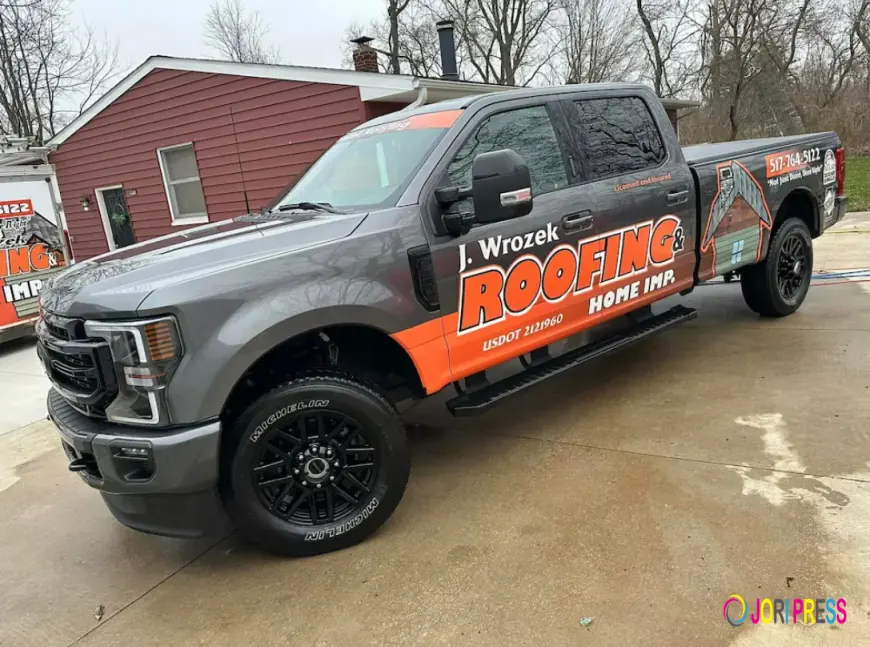
Your roof works hardest when the weather is at its worst. That is why early action matters. If you notice damaged shingles, stains on the ceiling, poor attic ventilation, sagging areas, gutter problems, or repeated leaks, do not wait until the next winter storm exposes the weakness. A timely inspection can help you decide whether you need repairs or a new roof installation in Jackson County. Taking care of roof problems before winter protects your home, your comfort, and your budget. The sooner you address the warning signs to J. Wrozek Roofing and Home Imp, the better chance you have of avoiding stressful emergency repairs when the weather turns harsh.
FAQs
How do I know if my roof needs repair before winter?
You may need roof repair before winter if you notice missing shingles, curled edges, leaks, ceiling stains, loose flashing, clogged gutters, or damp attic areas. A professional inspection can confirm whether the damage is minor or serious.
Is it better to repair or replace an old roof?
Repair is usually best for limited damage on a roof that is still in good condition. Replacement may be better if the roof is old, leaking in several areas, sagging, losing granules, or needing frequent repairs.
Why should I schedule roofing work before winter?
Roofing work is easier and safer before harsh winter weather arrives. Fixing problems early helps prevent leaks, ice damage, interior water stains, and emergency repair costs during the cold season.










































 Like
0
Like
0
 Dislike
0
Dislike
0
 Love
0
Love
0
 Funny
0
Funny
0
 Angry
0
Angry
0
 Sad
0
Sad
0
 Wow
0
Wow
0